
Managing a dumpster that has exceeded its capacity requires more than just brute force or casual tossing of items. Overflowing dumpsters are not only unsightly but can pose serious safety and environmental hazards if neglected. Proper cleanup involves assessing the waste type, determining disposal priorities, and employing strategies that minimize risk while maximizing efficiency. Professional junk removal services often combine labor expertise, equipment, and eco-conscious practices to restore order quickly. From separating recyclables to strategically compacting bulky items, an organized approach ensures the surrounding area remains clean, accessible, and compliant with local waste regulations. Whether dealing with residential or commercial sites, handling overflow thoughtfully prevents spillovers, fines, and unpleasant odors. The process transforms a chaotic heap into a manageable, well-contained system, reflecting both environmental responsibility and operational efficiency.
Dumpster Overflow Solutions That Preserve Safety and Order
When dumpsters overflow, safety becomes the primary concern. Loose items can obstruct walkways, create tripping hazards, and attract pests. Tackling these problems requires planning and patience. Identifying the heaviest items and arranging them strategically ensures stability and prevents accidental collapses. Workers must wear protective gear and employ proper lifting techniques to minimize injuries while moving bulky objects. Maintaining clear access around the dumpster helps reduce hazards for both workers and passersby. Timing the cleanup when foot traffic is minimal and weather conditions are favorable improves overall safety. Beyond immediate hazards, keeping the area organized reduces stress and facilitates future disposal, creating a more controlled environment for handling large quantities of waste. Careful consideration of placement and load distribution ensures that safety is not compromised even when space is limited, maintaining both order and efficiency in managing the overflow.
Efficient Techniques for Managing Excess Trash in Dumpsters
Overflowing dumpsters demand a methodical approach that prioritizes efficiency. Sorting waste into categories such as recyclables, hazardous materials, and general debris streamlines the cleanup process. Using trolleys, hand trucks, or other moving equipment accelerates transport, reducing manual strain. Professionals often compact materials to maximize available space, which not only prevents spillage but also allows for more organized disposal. Attention to detail, such as placing heavier items at the bottom and lighter items on top, prevents accidental tipping and improves overall stability. Planning the sequence of removal ensures that each step builds upon the last, minimizing redundant effort. Awareness of local waste disposal regulations ensures compliance and prevents fines. Ultimately, efficiency in dumpster overflow cleanup comes from anticipating challenges, preparing the right tools, and executing tasks in a logical, systematic way that balances speed with care, resulting in a clean, safe, and orderly environment.
Step by Step Guide to Taming Overflowing Dumpsters
Cleaning up a full dumpster is best approached as a series of deliberate steps rather than a single chaotic effort. First, surveying the contents helps determine the types of materials and the safest way to remove them. Once categorized, items can be moved sequentially, starting with bulky objects that occupy the most space. Professionals often use ladders or platforms to reach higher sections safely, avoiding strain or injury. Following this, compacting and arranging items allows more waste to fit within the container while reducing the risk of spillage. Each step should prioritize worker safety, environmental responsibility, and compliance with municipal waste guidelines. Cleaning tools, protective equipment, and proper lifting techniques are essential throughout the process. By adhering to a structured step-by-step plan, the cleanup becomes more manageable, less stressful, and significantly faster, demonstrating that a strategic approach can turn even the most chaotic dumpster overflow into a controlled, efficient task.
Commercial Dumpster Overflow Cleanup Without Hassle
Businesses often face large volumes of waste that can quickly overwhelm standard dumpsters. Commercial cleanup requires coordination, scheduling, and professional-grade equipment. Teams work systematically, ensuring that high-traffic areas remain accessible and that waste removal does not disrupt daily operations. Heavy machinery, such as compactors or forklifts, may be employed to move large quantities safely and quickly. Prioritizing recyclable materials not only benefits the environment but also reduces disposal costs. Efficient commercial cleanup involves planning the sequence of removal, addressing hazardous materials separately, and preventing overflow before it becomes unmanageable. Workers must be trained to navigate confined spaces and avoid accidents while maintaining productivity. A professional approach ensures that even large-scale waste challenges are addressed without hassle, leaving businesses with a clean, functional environment and waste managed responsibly.
Reducing Hazards During Overflow Waste Removal
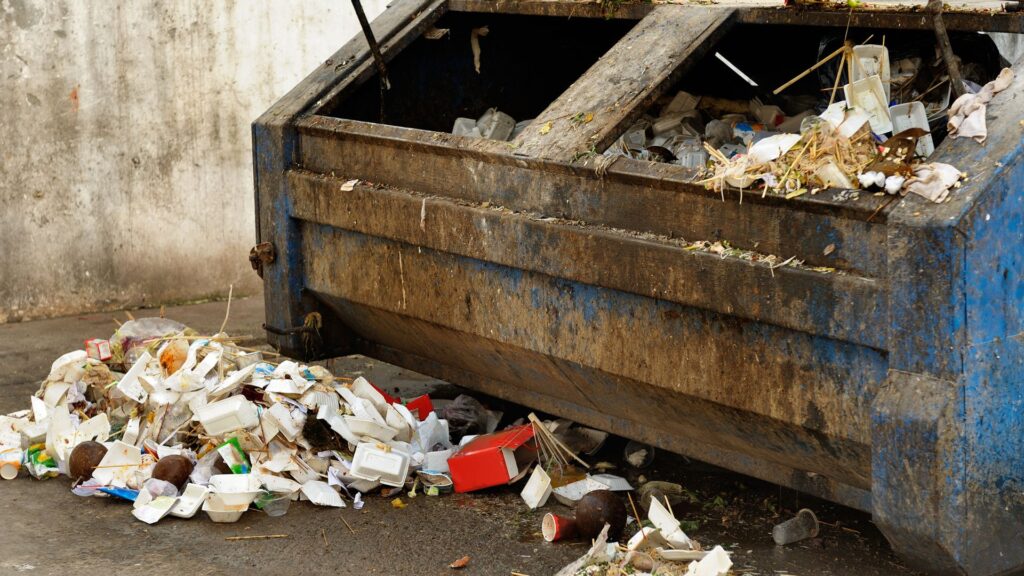
Handling overflowing dumpsters without caution can create serious safety hazards. Sharp objects, unstable stacks, and heavy debris all increase the risk of injury. Proper preparation involves equipping workers with gloves, boots, and eye protection while maintaining a clean workspace around the container. Strategically moving items to prevent tipping and stabilizing stacks reduces the chance of accidents. Identifying potential hazards before starting, such as wet surfaces or protruding nails, helps prevent injury during cleanup. Additionally, clear signage and restricted access to the area during heavy cleanup operations protect both workers and the public. By prioritizing hazard reduction, dumpster overflow management becomes safer and more predictable, transforming a potentially chaotic situation into a controlled and manageable process that safeguards everyone involved.
Maximizing Space When Dumpsters Reach Capacity
Overflowing dumpsters demand smart space management to prevent spillage and allow more waste to fit inside. Arranging heavier items at the bottom and lighter materials on top increases stability and creates more room. Compacting items carefully prevents wasted space while keeping the load secure. Professionals often utilize specialized tools to compress bulky items safely, which helps maintain organization and ensures that the container does not exceed weight limits. Efficient stacking allows for a cleaner, more accessible area surrounding the dumpster, reducing the risk of debris scattering. Maximizing space is both a practical and strategic task that requires awareness of container capacity, proper distribution, and attention to detail. This method transforms an overstuffed dumpster into a manageable system capable of accommodating additional waste without compromising safety or order.
Eco-Friendly Methods for Overflowing Dumpster Management
Environmentally responsible cleanup is increasingly important for overflowing dumpsters. Separating recyclables, hazardous materials, and organic waste reduces landfill impact and encourages proper disposal. Professionals often sort items before transport, ensuring that each type of waste is directed to the appropriate recycling or disposal facility. Minimizing the use of unnecessary packing materials and compacting items efficiently also reduces carbon emissions from multiple trips. Eco-friendly practices benefit the surrounding community by preventing pollution, controlling odors, and deterring pests. Even small changes, such as using biodegradable liners or reusing packing materials, can have a meaningful impact. Prioritizing eco-conscious techniques ensures that overflow management aligns with environmental standards while maintaining efficiency, transforming a challenging cleanup into a responsible and sustainable operation.
Strategic Planning for Heavy Dumpster Load Cleanup
Heavy dumpster loads require careful planning to prevent accidents and streamline operations. Assessing the total volume and weight allows for prioritization of items that should be removed first. Planning involves not only organizing the sequence of removal but also ensuring the right tools, vehicles, and personnel are in place. Proper load distribution prevents tipping and makes transport safer. Weather conditions, time of day, and surrounding traffic patterns can also influence cleanup strategies, helping minimize risk while maximizing efficiency. Professionals approach these tasks with foresight, anticipating obstacles and adjusting plans as needed. Strategic planning ensures that even large, unwieldy dumpster loads are handled effectively, maintaining safety, order, and environmental compliance throughout the process.
Preventing Environmental Risks from Dumpster Overflows
Overflowing dumpsters can lead to pollution, pest infestations, and other environmental hazards if left unchecked. Effective prevention starts with organizing materials inside the container, keeping waste contained and away from the surrounding area. Sorting recyclables, hazardous materials, and organic debris ensures that each category is disposed of properly, reducing the risk of contamination. Controlling moisture and odors also deters pests, while proper cleanup and compacting minimize spillage. Regular monitoring and proactive management prevent minor overflows from escalating into larger environmental problems. By implementing these strategies, professionals maintain compliance with environmental regulations and protect surrounding spaces, ensuring that dumpster management is not only effective but also environmentally responsible.
Organized Approaches to Dumpster Overflow Control
Organization is central to controlling dumpster overflow effectively. Proper categorization, careful stacking, and the strategic use of space create a system that is both manageable and safe. Workers are able to move items efficiently, reducing cleanup time and minimizing disruption to surrounding areas. Maintaining a structured approach also prevents accidental damage to the container or nearby property, ensuring that debris remains contained and secure. Communication among team members is critical, allowing tasks to be delegated and executed smoothly. Attention to detail, coupled with methodical procedures, transforms chaotic, overflowing dumpsters into orderly, controlled systems. By implementing organized approaches, cleanup becomes predictable, efficient, and safe, demonstrating that even the most challenging waste situations can be resolved through careful planning and execution.
Conclusion
It requires a careful balance of safety, strategic planning, and operational efficiency to ensure that the process is both effective and sustainable. Proper categorization of waste plays a critical role, as separating recyclables, hazardous materials, and general debris allows for faster removal, reduces environmental impact, and prevents potential fines from improper disposal. Eco-friendly disposal practices, such as directing materials to recycling centers or reusing certain items, further contribute to maintaining a clean and responsible approach to waste management. Professional junk removal services like Dirty Deeds Junk Removal Los Angeles in Los Angeles bring specialized tools, trained personnel, and industry knowledge to handle even the most challenging dumpster overflows safely and efficiently. Whether managing residential waste, commercial debris, or heavy-duty materials, their structured and organized methods ensure that every step from sorting to transport is executed with precision. By prioritizing both safety and environmental responsibility, these services guarantee that cleanup is thorough, compliant with local regulations, and stress-free for clients. For dependable assistance, contact Dirty Deeds Junk Removal Los Angeles at +12136012778.