
In the fast-paced rhythm of retail, where every square foot counts and first impressions linger, junk often becomes an unseen antagonist. Old inventory, broken displays, outdated promotional materials, and forgotten fixtures can silently consume space, suffocating potential growth and obscuring the aesthetic of a store. Retail environments thrive on clarity, accessibility, and a sense of order; when clutter accumulates, it erodes not only the visual appeal but also the efficiency of operations. Prioritizing junk removal is not merely a matter of tidiness but a strategic approach to sustaining a vibrant and inviting shopping atmosphere. The invisible weight of discarded items affects staff productivity, safety protocols, and even customer perception, subtly shaping experiences in ways that many store owners underestimate. Transforming a cluttered retail space into a streamlined, navigable environment involves more than just throwing away old stock; it requires intentionality, planning, and professional assistance to ensure everything removed is handled responsibly. In essence, junk removal is a proactive investment, safeguarding both operational fluidity and brand reputation while cultivating a space where both employees and customers can thrive without obstruction.
Streamlining Retail Space for Maximum Efficiency
Retail space is a precious commodity, and every unused corner or neglected storage area represents lost potential. Clutter restricts movement, hinders stock replenishment, and disrupts staff efficiency in ways that can go unnoticed until operations falter. Junk, whether it is broken shelving, obsolete signage, or expired products, gradually fragments the coherence of a store’s layout. A methodical approach to removing unnecessary items allows employees to navigate their environment smoothly, locate products swiftly, and perform their duties without obstruction. This streamlined environment reduces wasted effort, diminishes stress, and fosters an atmosphere where both staff and customers can operate harmoniously. Junk removal, therefore, is an investment in operational clarity, enabling the retail space to function as a well-oiled machine rather than a congested maze. Efficient retail operations hinge on the visibility and accessibility of merchandise. Excess clutter not only distracts customers but also interferes with merchandising strategies and promotional displays, undermining potential sales opportunities.
Enhancing Customer Experience Through Clean Spaces
A retail environment cluttered with outdated signage, misplaced merchandise, and discarded packaging can create a subtle barrier between the customer and the shopping experience. Shoppers are subconsciously influenced by their surroundings, and cluttered spaces can lead to frustration, hurried decisions, and reduced dwell time. By removing unnecessary items, store owners create an environment that feels open, welcoming, and easy to navigate. Clean, well-maintained spaces communicate that the business values its patrons and pays attention to detail, fostering loyalty and trust. Junk removal ensures that the focus remains on the products and services being offered, rather than on distractions that compromise the overall shopping experience. Beyond visual appeal, cleanliness and organization have a direct impact on customer safety and satisfaction. Cluttered aisles can be hazardous, especially in high-traffic areas, increasing the risk of accidents and liability concerns. By systematically removing junk, retailers enhance both safety and operational efficiency.
Supporting Staff Productivity and Morale
Employees are the backbone of any retail operation, and their productivity is deeply influenced by the work environment. Cluttered spaces hinder efficiency, force staff to spend extra time locating inventory, and create unnecessary stress that can lead to burnout. Junk removal eliminates these barriers, allowing employees to perform tasks with clarity and focus. When staff members can access necessary tools and products without navigating piles of discarded items, their workflow becomes smoother and more predictable. A clean, organized store fosters a sense of pride and professionalism among employees, boosting morale and reducing turnover. Retailers who invest in junk removal signal that they value both operational excellence and employee well-being. Moreover, removing clutter supports better team collaboration and communication. In a crowded or disorganized workspace, staff members are often forced to work around obstacles, which can create frustration and slow down processes.
Boosting Sales Potential With Organized Displays
Retail sales are often a reflection of the environment in which products are showcased. Cluttered or overcrowded displays can obscure items, diminish visual appeal, and limit customer engagement. Junk removal allows store owners to maximize the impact of each display by providing space for creative arrangements and clear product visibility. Clean, organized shelves highlight merchandise effectively and make it easier for customers to browse, compare, and make purchasing decisions. By eliminating unnecessary debris, retailers can also experiment with promotional displays, seasonal layouts, and strategic placement that aligns with sales goals and marketing initiatives. An uncluttered store environment not only encourages purchases but also elevates brand perception. When customers can navigate aisles freely and view products without distraction, they associate the space with quality, professionalism, and attention to detail. Junk removal facilitates this transformation by creating an adaptable backdrop that supports evolving merchandising strategies.
Maintaining Health and Safety Standards
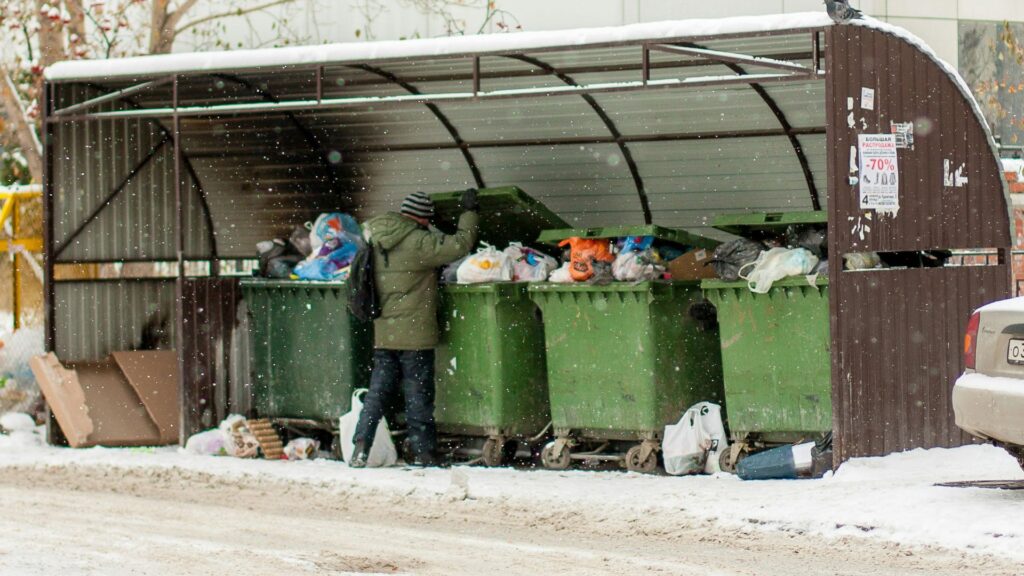
Retail spaces are subject to strict health and safety regulations, and the accumulation of junk can create hidden risks that threaten both compliance and well-being. Discarded materials, broken fixtures, and excess stock can obstruct emergency exits, create fire hazards, and harbor pests or bacteria. Regular junk removal mitigates these risks, ensuring that stores meet safety standards and provide a secure environment for employees and patrons alike. By removing unnecessary clutter, retailers demonstrate responsibility and foresight, reducing the likelihood of accidents, fines, or legal complications. In addition to regulatory compliance, maintaining a clean environment promotes overall health within the store. Dust, mold, and debris can exacerbate respiratory issues and other health concerns, particularly in densely populated areas. Junk removal addresses these concerns proactively, creating a more hygienic environment for staff and customers. Regular cleanouts also allow for thorough inspections of the store’s infrastructure, from shelving and lighting to flooring and ventilation, identifying potential hazards before they escalate.
Environmental Responsibility and Waste Management
In today’s conscious consumer landscape, retailers are increasingly judged by their environmental practices. Disposing of junk responsibly signals a commitment to sustainability and social responsibility. Items such as old packaging, broken equipment, and outdated merchandise can often be recycled, repurposed, or donated rather than ending up in landfills. Professional junk removal services help retailers navigate these options efficiently, ensuring that waste is managed in an environmentally responsible way. Prioritizing junk removal aligns operational efficiency with ecological accountability, enhancing the store’s public image and fostering goodwill among customers who value sustainable practices. Beyond external perception, environmentally conscious junk removal has practical benefits for store operations. Recycling and proper disposal reduce storage burdens, streamline backroom organization, and minimize disposal costs in the long term. Retailers who implement consistent junk removal practices also gain the ability to audit waste streams, track material usage, and identify opportunities for reducing unnecessary stock. This approach not only conserves resources but also reinforces a culture of environmental mindfulness within the organization.
Preparing for Seasonal Changes and Inventory Turnover
Retail stores experience cyclical fluctuations in inventory, from seasonal merchandise to clearance items and promotional products. Accumulated junk from past seasons can hinder the smooth transition between cycles, causing logistical challenges and wasted time. Proactive junk removal ensures that storage areas are cleared, aisles remain accessible, and staff can focus on current inventory rather than navigating outdated materials. This preparation enables retailers to respond swiftly to market demands, introduce new collections efficiently, and maintain a polished, professional presentation that reflects positively on the brand. Efficient turnover also has financial implications. Items left to accumulate beyond their usefulness can lead to unnecessary storage costs, slow-moving inventory, and reduced profitability. Systematic junk removal supports better inventory tracking, accurate stock management, and the elimination of redundant items.
Reducing Liability and Risk for Retailers
Clutter and leftover junk in retail spaces can create significant liability risks. Obstructed pathways, unstable displays, and discarded items can result in customer accidents, employee injuries, and potential legal claims. Retailers who prioritize junk removal proactively reduce these hazards, creating a safer environment for everyone who enters the store. Regular cleanouts help identify and address problem areas before they escalate, protecting both the business and its patrons. By minimizing exposure to risk, store owners enhance operational resilience and maintain peace of mind regarding safety concerns. Beyond immediate physical hazards, clutter can indirectly contribute to organizational inefficiencies that affect liability. Mismanaged inventory can lead to stock discrepancies, shrinkage, and missed recalls, while neglected maintenance in cluttered areas may violate building codes or safety regulations. Systematic junk removal addresses these issues comprehensively, providing a structured approach to identifying and eliminating potential risks.
Leveraging Professional Junk Removal Services
Retail owners may underestimate the effort required to manage accumulated junk effectively. While routine tidying can address minor clutter, larger cleanouts and ongoing removal of obsolete items often demand expertise, equipment, and logistical planning that professional services provide. By partnering with a specialized junk removal company, stores benefit from efficient, safe, and environmentally conscious disposal. Professionals evaluate what can be recycled, donated, or discarded, ensuring minimal disruption to daily operations while optimizing space utilization. Leveraging expert assistance allows store owners to focus on core business functions while maintaining a pristine retail environment. Professional junk removal also introduces consistency to the management of clutter. Rather than sporadic efforts, stores can implement regular schedules, reducing the buildup of waste over time. This proactive approach promotes a culture of organization and accountability, extending benefits to staff, customers, and overall operational efficiency.
Conclusion
Prioritizing junk removal in retail stores is not merely a housekeeping task but a strategic investment in operational efficiency, customer satisfaction, employee productivity, and safety. From streamlining space to enhancing displays, maintaining compliance, and promoting sustainability, removing clutter consistently transforms retail environments into vibrant, organized, and profitable spaces. Retailers who embrace professional junk removal services gain flexibility, reduce risk, and create a positive impression that resonates with both staff and customers. For professional assistance with comprehensive junk removal, consider Dirty Deeds Junk Removal Los Angeles located in Los Angeles. Contact them at +12136012778 for a seamless solution to declutter, optimize, and revitalize your retail space.