
Warehouse cleanouts are more than just moving boxes or tossing old equipment. They involve strategy, timing, and foresight, all of which are crucial to maintaining operational efficiency. The process can reveal hidden inefficiencies, improve workflow, and even uncover unused resources that could be repurposed or sold. Every business that stores products, machinery, or inventory faces the occasional need to declutter, but without proper planning, the task can become overwhelming. Understanding the key factors that influence a successful warehouse cleanout can save time, reduce costs, and ensure safety for staff. This article explores the five essential considerations that businesses must weigh when preparing for a cleanout, from organizational methods to proper disposal practices, providing a roadmap to streamline the process while maximizing both productivity and space utilization.
Evaluating the Scope of the Warehouse Cleanout
Before diving into a cleanout, businesses need to understand the scale of the project. Not all warehouses are created equal; some house a few shelves and pallets, while others stretch for thousands of square feet filled with varying types of inventory. Identifying the areas that require the most attention allows managers to allocate resources effectively. Mapping out zones, determining which sections hold obsolete or damaged items, and cataloging inventory can prevent chaotic efforts and minimize disruptions to ongoing operations. Without this preliminary evaluation, a cleanout can quickly turn into an endless task that consumes time and labor without yielding meaningful results. It also helps in predicting the manpower, tools, and equipment necessary to complete the cleanout efficiently. In addition to identifying problem areas, evaluating the scope provides a realistic timeline for completion. Cleanouts can take days or weeks depending on inventory complexity, accessibility of storage units, and the condition of the items stored. Establishing clear objectives, including which items will be removed, recycled, or stored elsewhere, ensures that the team has direction. It also aids in prioritizing tasks, making it easier to tackle sections systematically rather than haphazardly. Businesses that invest time in assessing the scope beforehand are better positioned to maintain productivity and minimize operational downtime.
Prioritizing Safety During the Cleanout
Warehouse cleanouts are inherently risky if safety measures are overlooked. Heavy lifting, awkward storage layouts, and moving large quantities of goods can result in accidents or injuries. Implementing safety protocols is essential, including proper lifting techniques, the use of protective gear, and clearly marked pathways for equipment and personnel. Preparing the space to accommodate the cleanout reduces the likelihood of slips, trips, and falls. Addressing potential hazards before starting work, such as loose flooring, unstable shelving, or blocked fire exits, is crucial for safeguarding both staff and property. Safety should never be an afterthought; it must be integrated into every step of the planning process. Equally important is ensuring that team members are trained and aware of emergency procedures. Safety briefings at the start of a cleanout can reinforce correct handling practices and encourage communication during potentially stressful tasks. In larger warehouses, assigning supervisors to monitor safety compliance can further reduce risks. By prioritizing safety, businesses not only protect employees but also maintain efficiency, as incidents that cause delays or damage can halt the entire cleanout process. Ultimately, a cleanout completed with a focus on safety minimizes disruption while preserving both human and physical resources.
Sorting Items for Disposal or Retention
A key factor in a successful warehouse cleanout is deciding what stays and what goes. Sorting items into categories such as reusable, recyclable, or disposable allows for more organized removal and reduces unnecessary disposal costs. Some materials can be sold or donated, offering potential financial or social benefits. Other items may require specialized disposal methods, particularly electronics, hazardous materials, or expired inventory. A systematic approach to sorting minimizes errors and prevents valuable items from being mistakenly discarded. It also provides clarity for workers tasked with removing and transporting materials. This sorting process should be accompanied by careful labeling and tracking. Maintaining records of what is removed or relocated helps avoid confusion and ensures accountability. Additionally, implementing a logical sequence, such as clearing one section at a time, allows teams to maintain momentum and prevents the workspace from becoming chaotic.
Scheduling Cleanouts to Minimize Disruption
Timing is a critical consideration for any warehouse cleanout. Interrupting daily operations can result in lost productivity, delayed shipments, and frustrated staff. Choosing a schedule that aligns with periods of lower activity or after peak operational hours can mitigate these disruptions. Planning in advance and notifying employees of the cleanout timeline ensures everyone is prepared and aware of temporary changes. Coordinating with external vendors, such as junk removal services, also requires careful timing to ensure availability and efficiency. A well-planned schedule allows for a smoother workflow and reduces the stress associated with unexpected interruptions. Breaking the cleanout into manageable phases, rather than attempting a single extensive effort, can improve coordination and maintain business continuity. Consideration of seasonal fluctuations, shipment cycles, and staffing levels is also necessary to prevent operational bottlenecks. Ultimately, a carefully timed cleanout achieves maximum effectiveness with minimal impact on ongoing warehouse activities.
Choosing the Right Equipment and Tools
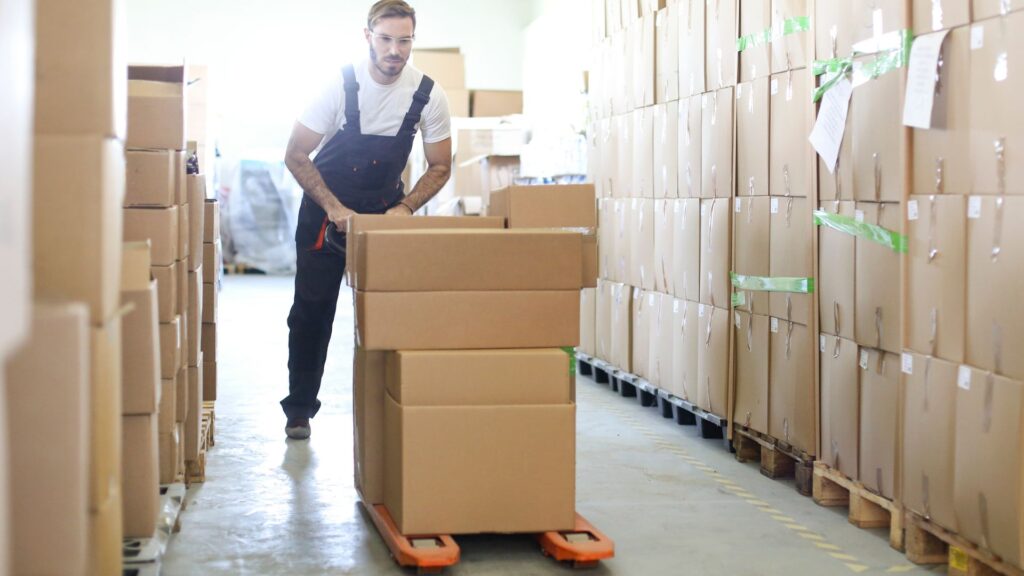
The tools used in a warehouse cleanout can make a significant difference in both efficiency and safety. From forklifts and pallet jacks to hand trucks and industrial carts, selecting the right equipment for the type and weight of items being moved is essential. Proper equipment not only speeds up the process but also reduces the physical strain on employees. In some cases, specialized tools may be necessary for dismantling large shelving units, breaking down bulky items, or handling delicate machinery. Assessing needs before starting prevents delays caused by inadequate or unsuitable tools. Maintenance of equipment is equally important. Using faulty or poorly maintained tools increases the risk of accidents and can halt progress if machinery fails mid-cleanout. Training employees on correct usage and safety precautions ensures that equipment is utilized effectively. Additionally, having backup options or rental equipment on standby can prevent unexpected setbacks.
Hiring Professional Assistance When Necessary
Warehouse cleanouts can be physically demanding and logistically complex. In many cases, hiring professional junk removal or cleanout services streamlines the process, particularly for large-scale operations. Experts bring experience, manpower, and specialized equipment that can accelerate the cleanout while ensuring compliance with regulations for proper disposal. Their familiarity with efficient workflows reduces the time needed to clear out spaces, allowing businesses to focus on core operations rather than labor-intensive tasks. Professional assistance is also valuable for handling hazardous or oversized materials that may pose risks to untrained staff. Outsourcing these tasks not only safeguards employees but also ensures that disposal practices meet legal and environmental standards. Engaging experienced services provides peace of mind, minimizes disruptions, and enhances the overall effectiveness of the cleanout.
Planning for Waste Disposal and Recycling
Disposing of items during a warehouse cleanout requires careful planning to comply with environmental and legal requirements. Many materials can be recycled, repurposed, or donated, reducing waste and associated costs. Identifying local recycling programs or donation centers ahead of time allows for seamless sorting and disposal, preventing last-minute complications. For items that cannot be reused or recycled, arranging proper disposal ensures compliance with municipal regulations and avoids potential fines. Sustainable disposal planning also reflects positively on a business’s reputation. Companies that prioritize recycling and responsible waste management demonstrate environmental responsibility and may even uncover hidden value in otherwise discarded materials. Coordinating disposal logistics, including transport and storage of items before removal, ensures a smooth process and minimizes clutter. Thoughtful planning in this phase prevents bottlenecks and supports a more efficient, environmentally conscious cleanout.
Maintaining Inventory Accuracy During the Cleanout
A warehouse cleanout presents a prime opportunity to reconcile inventory records with physical stock. Discrepancies between recorded and actual inventory can lead to financial losses, misplaced items, and operational inefficiencies. Conducting a thorough inventory check while cleaning out allows businesses to update records, discard outdated items, and identify stock that may have been misplaced. Accurate inventory management enhances decision-making for procurement, storage, and sales. Maintaining accuracy also improves organization and planning for future cleanouts. Documenting item locations, quantities, and conditions prevents confusion and facilitates smoother operations moving forward. It also ensures that essential materials are retained while obsolete or excess items are removed systematically. By integrating inventory management into the cleanout process, businesses gain clarity, operational efficiency, and better control over warehouse resources.
Optimizing Space Utilization Post-Cleanout
Once clutter and obsolete items are removed, businesses have the opportunity to rethink warehouse layout and space usage. Efficient use of space can improve workflow, reduce retrieval times, and enhance safety. Rearranging shelving units, optimizing aisle widths, and grouping similar items together contributes to a more organized and functional environment. Maximizing vertical space with proper storage solutions also increases storage capacity without expanding physical footprint. Strategic space optimization goes beyond immediate organization. It sets the stage for future operations and cleanouts, making them easier and less disruptive. Incorporating labeling systems, digital tracking, and clearly defined zones supports long-term efficiency. A warehouse that has undergone careful space optimization operates more smoothly, accommodates growth, and creates a safer environment for employees handling daily operations and inventory management.
Conclusion
Warehouse cleanouts are complex operations that require careful planning, strategic decision-making, and attention to detail. From evaluating the scope and prioritizing safety to sorting items, scheduling tasks, and choosing the right equipment, every factor plays a critical role in achieving a smooth and effective cleanout. Hiring professionals, managing disposal and recycling responsibly, maintaining inventory accuracy, optimizing space, and implementing a continuous maintenance plan further enhance operational efficiency. By addressing these key factors, businesses can transform cluttered storage spaces into organized, functional areas that support productivity and growth. For professional warehouse cleanout services, contact Dirty Deeds Junk Removal Los Angeles located in Los Angeles at +12136012778 for efficient, reliable, and comprehensive solutions that ensure a clean and organized warehouse environment.