
Warehouse spaces often become a tangled maze of forgotten inventory, unused equipment, and clutter that slowly chips away at operational efficiency. Over time, disorganization not only limits physical space but also hampers workflow, safety, and productivity. Maximizing storage space requires more than rearranging shelves or squeezing items into every nook and cranny. A strategic warehouse cleanout removes unnecessary items, creates breathing room, and transforms your storage areas into well-organized, functional environments. Proper planning ensures that valuable space is allocated to the items that truly matter, allowing easier access to frequently used materials and improving overall operational efficiency. Businesses that embrace cleanouts find that they are not only reclaiming space but also uncovering hidden opportunities for better storage solutions and workflow optimization. A warehouse cleanout is not just a physical task; it is a process that can have a lasting impact on how your business functions. By systematically assessing, sorting, and removing obsolete or redundant items, businesses can gain a clearer understanding of their inventory and storage needs.
Unlocking Hidden Space in Your Warehouse
Many warehouses are underutilized, hiding pockets of wasted space beneath layers of old equipment or poorly organized inventory. By conducting a thorough cleanout, businesses can identify these neglected areas and repurpose them for storage or operational needs. Often, shelves and racks are crammed inefficiently, creating blockages and wasting valuable vertical space. A cleanout provides the opportunity to reimagine layout designs, allowing for optimized shelving configurations and better access to essential items. Businesses that actively engage in warehouse cleanouts discover that even a few well-placed adjustments can free up substantial amounts of storage space, improving workflow and reducing the time spent navigating cluttered aisles. Cleanouts also offer a chance to implement inventory management techniques that prevent future overcrowding. By categorizing items, labeling storage zones, and removing unnecessary materials, warehouse managers can establish a more intuitive system that supports efficiency. Improved organization reduces the stress of locating items, minimizes lost or misplaced inventory, and allows for more accurate tracking.
Enhancing Safety Through Organization
Cluttered warehouses are breeding grounds for accidents and inefficiencies. Piles of unused items, blocked aisles, and improperly stored materials increase the risk of injury and create challenges for emergency access. Conducting a warehouse cleanout ensures that all pathways are clear, hazardous materials are safely stored, and the workspace is conducive to safe operations. A well-organized warehouse reduces the likelihood of trips, falls, and equipment collisions, protecting employees and minimizing liability. Safety improvements alone make cleanouts a worthwhile investment, but the benefits extend further to operational productivity and employee morale. Organization also improves compliance with safety regulations and standards. By systematically assessing inventory, businesses can identify materials that require specific handling or storage procedures.
Streamlining Inventory Management
Warehouse cleanouts play a pivotal role in refining inventory management practices. Removing obsolete or slow-moving items allows businesses to focus on current, high-demand inventory, reducing holding costs and freeing up space for items that generate revenue. The cleanout process also provides an opportunity to audit stock, identify surplus or missing items, and implement a more efficient inventory tracking system. Streamlined inventory management translates into faster order fulfillment, lower storage costs, and better control over procurement processes. Businesses that neglect cleanouts often struggle with overstocking or misplaced inventory, leading to inefficiencies that could have been avoided. Through cleanouts, warehouses can implement categorization systems that improve visibility and accessibility. Items can be organized by usage frequency, category, or seasonal demand, making it easier to locate and manage stock. A cleanout also supports the integration of modern inventory management tools, such as barcoding or RFID systems, further enhancing operational efficiency.
Preparing for Expansion and Growth
As businesses grow, so does the need for efficient storage solutions. A cluttered warehouse can impede expansion, limiting the ability to accommodate additional stock, equipment, or operational areas. Conducting cleanouts prepares warehouse spaces for growth by creating room for new inventory, improving organization, and enhancing overall functionality. Cleanouts provide a foundation for scaling operations, ensuring that future additions can be integrated smoothly without disrupting existing workflows. Businesses that proactively manage their storage environments are better equipped to respond to increased demand or new product lines. Cleanouts also facilitate better planning for logistical needs. With a clearer understanding of available space and inventory requirements, warehouse managers can make informed decisions about shelving, racking systems, and material handling equipment.
Reducing Operational Costs
Warehouse inefficiencies directly contribute to higher operational costs. Disorganized storage, misplaced items, and overcrowded areas slow down processes, increase labor hours, and elevate the risk of damage to goods. A thorough cleanout eliminates unnecessary clutter, streamlines access to inventory, and reduces the likelihood of operational mishaps. Businesses that invest in cleanouts often see measurable cost savings through lower labor requirements, reduced waste, and improved inventory turnover. Properly organized warehouses allow employees to work more efficiently, saving both time and money in daily operations. In addition, cleanouts support more accurate inventory forecasting and purchasing decisions. By removing outdated or redundant items, businesses can focus on what truly needs to be stocked, minimizing overordering and storage expenses. Efficiently organized spaces also reduce the risk of product damage caused by overcrowding or improper storage, further lowering costs.
Optimizing Workflow and Efficiency
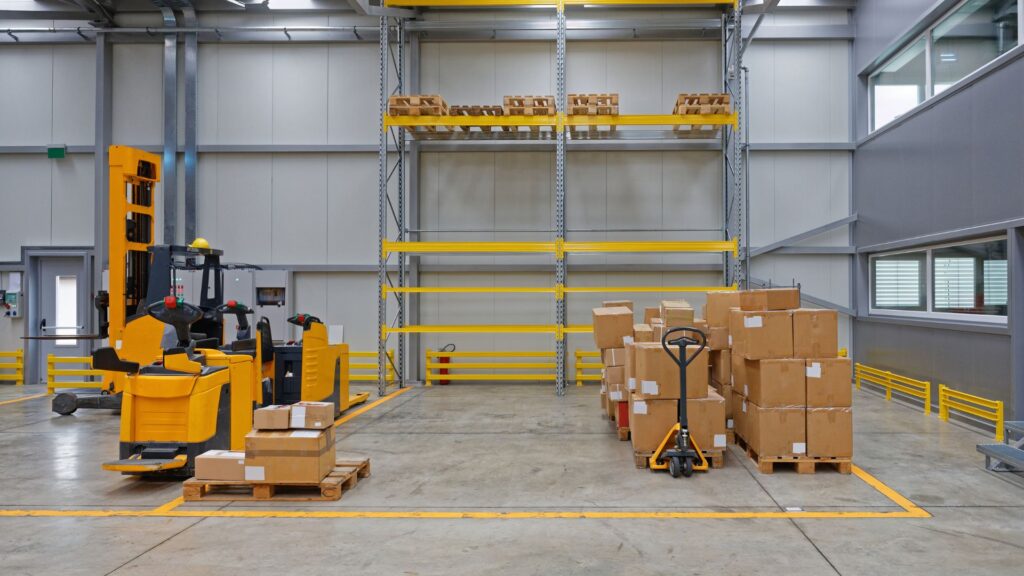
Cluttered and disorganized warehouses disrupt workflow, creating bottlenecks and slowing down processes. Cleanouts allow businesses to reevaluate their storage layout and operational flow, creating logical pathways for both employees and equipment. By strategically placing frequently used items in accessible locations, warehouses can reduce unnecessary movement and streamline day-to-day operations. Cleanouts also provide an opportunity to remove outdated or underutilized equipment, improving efficiency and freeing up space for essential operations. Improved workflows lead to faster order processing, reduced labor fatigue, and enhanced productivity, all of which directly impact a company’s bottom line. Optimized warehouse spaces also facilitate better coordination between departments, particularly in larger operations where multiple teams access the same storage areas. Clearly defined storage zones and organized shelving systems reduce confusion, errors, and duplication of effort.
Environmental and Sustainability Benefits
Warehouse cleanouts are not just beneficial for space management; they also have positive environmental implications. Removing and properly disposing of outdated or unusable items prevents unnecessary waste accumulation and supports recycling initiatives. Businesses that conduct regular cleanouts can identify materials suitable for donation, repurposing, or recycling, reducing the environmental footprint of their operations. Sustainable warehouse practices also contribute to corporate responsibility goals and can enhance a company’s reputation with customers and stakeholders. By incorporating environmentally conscious strategies into warehouse management, businesses can turn a simple cleanout into a meaningful sustainability initiative. Proper disposal of hazardous materials is another critical aspect of warehouse cleanouts. Old chemicals, batteries, and electronics can pose environmental risks if stored improperly.
Implementing Technology for Smarter Storage
Warehouse cleanouts provide an ideal opportunity to integrate technology into storage operations. Once clutter is removed, businesses can implement digital inventory systems, automated shelving, and tracking solutions that enhance efficiency and accuracy. Technology supports better organization, real-time inventory monitoring, and optimized storage utilization. By combining a cleanout with technological upgrades, warehouses can transform into intelligent storage environments where space is maximized, errors are minimized, and operations run smoothly. Investing in tech-enabled storage solutions after a cleanout ensures that the gains achieved through physical organization are maintained over time. Smart storage solutions also allow for better data-driven decisions. Insights from digital tracking systems can inform inventory restocking, space allocation, and workflow improvements. Cleanouts make it easier to assess which areas of the warehouse benefit most from technological interventions. By implementing technology alongside physical organization, warehouses achieve a level of efficiency and adaptability that is difficult to reach otherwise. The combination of cleanouts and technology ensures that storage spaces remain optimized, scalable, and capable of supporting evolving business requirements while maintaining a clear, organized, and efficient environment.
Creating a Long-Term Maintenance Plan
A warehouse cleanout is most effective when paired with a long-term maintenance strategy. Regular evaluations, scheduled purges of unnecessary items, and periodic reorganization prevent clutter from re-accumulating and ensure that the warehouse remains functional and efficient. Developing a maintenance plan allows businesses to sustain the benefits of the cleanout, avoid space wastage, and maintain operational efficiency. A proactive approach reduces the need for emergency cleanouts, lowers labor costs, and supports a consistent, organized environment that can adapt to changing business needs. Maintenance planning also reinforces accountability among employees. By establishing clear protocols for inventory management, storage practices, and workspace organization, businesses can foster a culture of responsibility and care for the storage environment. Regular check-ins and assessments ensure that systems implemented during the cleanout are followed, and adjustments can be made as operational demands evolve. Over time, a structured maintenance plan transforms a once chaotic warehouse into a well-oiled operation, where storage space is maximized, processes flow efficiently, and the benefits of a cleanout are preserved for the long term.
Conclusion
Warehouse cleanouts offer far-reaching benefits that go beyond mere space reclamation. From improving safety and workflow to streamlining inventory management and supporting sustainability efforts, a well-executed cleanout transforms a cluttered warehouse into a functional, efficient, and scalable environment. Implementing technology, optimizing layout, and maintaining long-term organization ensure that businesses continue to reap the rewards of a clean and structured space. Proper cleanouts help reduce operational costs, boost productivity, and prepare warehouses for growth while supporting environmental responsibility. Investing in regular warehouse cleanouts is a strategic decision that maximizes storage capacity and operational effectiveness. For businesses in Los Angeles seeking expert assistance, Dirty Deeds Junk Removal Los Angeles offers professional services that handle every aspect of the cleanout process efficiently and responsibly. With experienced teams and a commitment to creating organized, optimized spaces, they make it simple to reclaim valuable storage areas. Contact Dirty Deeds Junk Removal Los Angeles at +12136012778 to schedule a cleanout that maximizes space, improves workflow, and ensures long-term operational success.