
Furniture removal can quickly become a daunting task if approached without strategy or preparation. Beyond the obvious challenges of size and weight, there are considerations that often go unnoticed: maneuvering through tight spaces, protecting floors and walls, and ensuring safety at every step. Efficient furniture removal isn’t merely about lifting and hauling; it’s a careful orchestration of planning, technique, and tools. Each piece presents unique obstacles, from fragile surfaces to cumbersome shapes that defy simple handling. Ignoring these details can lead to injuries, property damage, or prolonged cleanup efforts. Professional approaches, like those highlighted by Dirty Deeds Junk Removal, emphasize the blend of foresight and methodical execution. Understanding proper disassembly, secure transport, and eco-conscious disposal practices not only saves time but also enhances safety. By embracing thoughtful strategies, homeowners and businesses alike can navigate the challenges of furniture removal with confidence, reducing stress and streamlining the process. In essence, a methodical, informed approach transforms what seems like a chore into a manageable, even efficient, undertaking.
Streamlined Planning for Stress-Free Furniture Removal
Successful furniture removal begins long before lifting a single item. The first step lies in strategic planning, visualizing the layout of the space, and anticipating potential obstacles. By mapping out the route from room to exit, handlers can preemptively address bottlenecks or narrow doorways that could hinder progress. It’s equally crucial to identify pieces that require disassembly and determine the necessary tools for the task. This foresight reduces delays and prevents damage to both furniture and surroundings, turning a physically demanding job into an organized, almost choreographed effort. Professional teams excel because they combine this foresight with methodical execution. They know which pieces can be safely carried whole, which must be dismantled, and how to wrap or protect surfaces during transport. Efficient planning also extends to disposal, ensuring that items are directed toward donation, recycling, or responsible disposal facilities. The time invested in early-stage organization pays dividends in safety, speed, and overall efficiency, proving that preparation is as vital as muscle when it comes to furniture removal.
Essential Tools and Equipment for Safe Handling
Navigating heavy furniture without the right tools is akin to attempting a puzzle blindfolded. Essential equipment, including dollies, sliders, straps, and protective padding, transforms an otherwise strenuous task into a controlled operation. These tools minimize strain on the body and reduce the risk of accidents, particularly when handling large or awkwardly shaped items. Even a modest investment in proper equipment can dramatically improve both safety and efficiency. Equally important is understanding how to use these tools effectively. Sliders allow items to glide across floors without scratching, while straps distribute weight evenly, preventing sudden drops or injuries. Dollies not only support heavier loads but also reduce repetitive lifting, safeguarding the movers’ backs and shoulders. Protecting floors and doorways with padding further preserves the environment, emphasizing that safety encompasses both human and property considerations.
Disassembly Techniques for Large Furniture Pieces
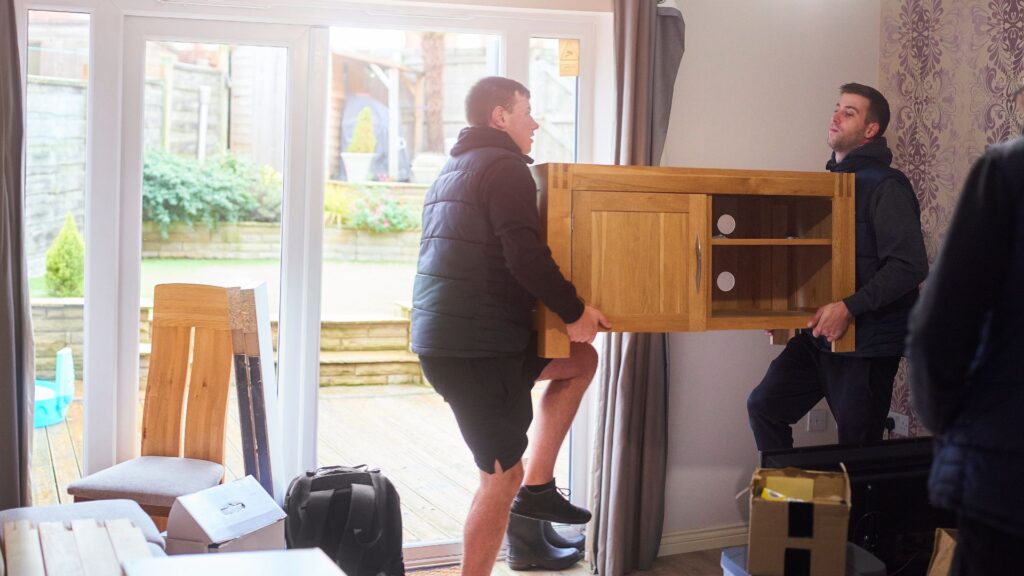
Some furniture simply refuses to fit through standard doorways, stairwells, or hallways. In these cases, disassembly becomes not just practical but necessary. Breaking items down into manageable components reduces the physical strain on movers and allows for more predictable navigation through confined spaces. Properly labeling pieces and keeping hardware organized ensures that reassembly remains seamless. Disassembly also mitigates the risk of accidental damage. Attempting to force a large item through an unsuitable opening can result in scratches, dents, or broken components. Skilled removal teams approach disassembly with a structured methodology, carefully identifying joints, fasteners, and detachable elements. By segmenting the furniture intelligently, the task transforms from a potentially chaotic effort into a systematic, safer process. Precision at this stage sets the tone for the remainder of the removal operation.
Protecting Home Surfaces During Removal
Even the most meticulous movers can face unexpected challenges that threaten the integrity of floors, walls, and door frames during furniture removal. Even small miscalculations while pivoting or dragging a heavy item can lead to scratches, dents, or scuffs, which often turn a simple removal job into a frustrating cleanup process. Avoiding these common mishaps requires a proactive approach, emphasizing protection methods that safeguard both the property and the movers. Using floor runners, corner guards, and thick padding strategically placed along potential friction points can dramatically reduce the risk of damage. These measures not only preserve the surfaces of a home or office but also help create a smoother, more organized workflow, reducing stress and potential accidents. Experienced movers treat surface protection as an integral part of the removal process rather than an optional step. They carefully anticipate areas of high contact, preemptively covering surfaces to prevent wear or impact. By prioritizing prevention, furniture removal becomes safer, more efficient, and minimally invasive, striking a balance between human effort and environmental care, and ensuring both property and personnel remain unharmed throughout the process.
Ergonomics and Lifting Safety
Furniture removal is inherently physical, making proper lifting techniques essential. Incorrect posture, sudden movements, or overexertion can easily result in strains or more serious injuries. Awareness of ergonomics keeping the spine aligned, bending at the knees, and lifting with the legs is vital. Rotating tasks among team members also helps prevent fatigue, a common contributor to accidents. Incorporating these safety principles reduces not only personal risk but also operational interruptions. When movers work efficiently without injury, the entire process flows more smoothly. Using ergonomic techniques alongside supportive tools like dollies and straps combines human skill with mechanical advantage, allowing heavy or bulky items to be transported with minimal physical stress. Careful attention to body mechanics demonstrates that furniture removal is as much about technique as it is about strength.
Eco-Conscious Disposal Strategies
Removing furniture responsibly extends beyond the confines of a home or office. Disposing of unwanted items in an environmentally conscious manner prevents unnecessary landfill waste and encourages reuse. Donation programs, recycling centers, and specialized waste facilities provide avenues for furniture to be repurposed rather than discarded. This consideration reflects a growing awareness of environmental stewardship within removal services. Professionals often incorporate disposal strategies into their workflow, segregating items that can be reused from those that require disposal. Electronics, upholstered furniture, and mixed materials demand specialized handling to comply with local regulations and reduce environmental impact. By integrating eco-conscious decisions, furniture removal transcends mere labor, fostering sustainability and social responsibility while maintaining efficiency.
Navigating Challenging Spaces with Precision
Every home or office presents unique spatial challenges, from narrow staircases to oddly shaped rooms. Precision in movement is critical to avoid accidents and ensure timely completion. Experienced teams approach obstacles methodically, planning angles, pivot points, and rotations before lifting a single item. This careful orchestration transforms potentially chaotic operations into seamless, controlled maneuvers. Understanding spatial dynamics also helps prevent damage to walls, railings, and door frames. Movers anticipate pinch points, obstructions, and structural vulnerabilities, adjusting their approach accordingly. Combining physical skill with preemptive spatial assessment allows for smooth navigation, demonstrating that furniture removal is a blend of planning, intuition, and disciplined execution.
Time Management for Efficient Removal
Time is a critical factor in furniture removal, especially for commercial clients or those under tight schedules. Efficient operations depend on sequencing tasks intelligently: disassembling items first, clearing pathways, and prioritizing heavier objects before smaller ones. An organized timetable reduces bottlenecks and prevents fatigue from compromising safety or quality.Professional teams often segment removal projects into phases, balancing labor intensity and environmental considerations. This staged approach ensures steady progress while accommodating unforeseen complications, such as irregularly shaped furniture or structural constraints. By treating time management as an integral part of the process, removals are completed with both speed and care, reinforcing the value of strategic execution over brute force.
Specialized Handling for Fragile and Valuable Items
Certain furniture pieces require more than standard care due to fragility, sentimental value, or monetary worth. Glass, antiques, and custom-built items demand careful handling to avoid irreparable damage. Protective wrapping, foam padding, and dedicated transport containers are often employed to safeguard these valuables during removal. Professionals recognize the importance of tailoring their approach to each item’s characteristics. Fragile pieces are prioritized, secured, and moved using specialized equipment, reducing stress on both the item and the movers. Incorporating this level of attention elevates furniture removal from a generic task to a precise craft, ensuring every item, regardless of size or value, reaches its destination intact.
Professional Expertise in Streamlined Furniture Removal
At the highest level, furniture removal combines planning, technique, and experience. Professionals bring not only physical strength but also knowledge of logistics, safety protocols, and disposal methods. This expertise translates into quicker, safer, and more reliable outcomes, reducing stress for clients and minimizing risks. From the moment a removal project begins, skilled teams assess the environment, anticipate obstacles, and apply tailored strategies for each piece of furniture. Their methods emphasize efficiency without sacrificing care, demonstrating that professional involvement elevates a complex task into a manageable, almost effortless operation. Leveraging experience ensures that homes and offices are cleared promptly, safely, and responsibly.
Conclusion
Efficient and safe furniture removal is the culmination of planning, technique, and professional insight. By combining strategic foresight, the right tools, ergonomic handling, careful disassembly, and eco-conscious disposal, even the most challenging removal projects can proceed smoothly. Each step, from navigating tight spaces to protecting fragile items, requires attention to detail and a commitment to safety, proving that thoughtful execution makes the process manageable and stress-free. For comprehensive furniture removal solutions in Los Angeles, Dirty Deeds Junk Removal Los Angeles offers experienced teams equipped to handle every aspect of the job. They ensure safe, efficient, and environmentally responsible removal tailored to homes and businesses alike. For inquiries or to schedule a service, contact them at +12136012778.