
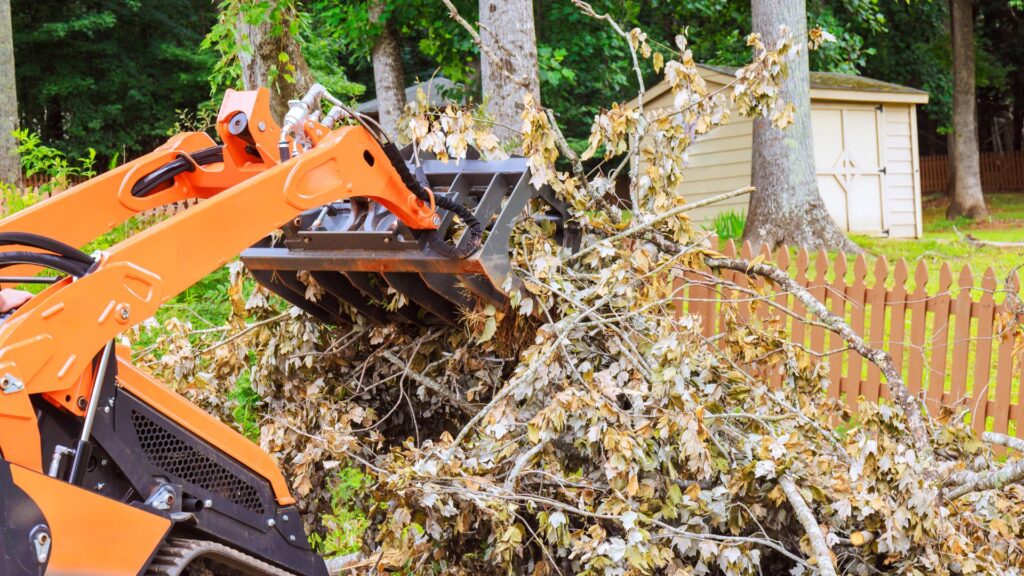
Yard waste may seem harmless when it quietly accumulates along the edges of your outdoor space, but over time, fallen leaves, overgrown grass clippings, and broken branches quietly compromise both the beauty and usability of your yard. A neglected yard can become a breeding ground for pests, mold, and hidden debris, turning what should be a relaxing retreat into a source of stress and maintenance headaches. Regular yard waste removal transforms these neglected corners into clean, breathable spaces where plants flourish, pathways are accessible, and outdoor living areas are instantly more inviting. Beyond aesthetics, managing yard debris improves soil quality, prevents drainage issues, and enhances the overall safety of your property. For homeowners who cherish their outdoor areas, embracing an organized approach to yard waste isn’t just practical—it’s essential. The process bridges the gap between chaos and order, creating an environment that encourages outdoor activity, social gatherings, and the quiet enjoyment of nature’s rhythms without clutter or distraction.
Maximizing Outdoor Aesthetic Appeal Through Yard Waste Removal
A yard littered with branches, dead leaves, and grass clippings dulls the vibrancy of any outdoor space. These remnants, while natural, often obscure the visual lines that define pathways, flowerbeds, and lawn areas. The simple act of clearing yard waste restores the rhythm and flow of the landscape, allowing colors to pop and textures to harmonize. Shrubs regain their sculpted shapes, garden beds regain their defined edges, and open spaces invite relaxation without visual obstruction. The yard suddenly feels more expansive, clean, and intentional, giving the impression of meticulous care. Visitors and family alike notice the difference immediately, not through grand gestures, but through the subtle energy of order and openness that emerges when clutter is removed. Beyond aesthetics, yard waste removal fosters healthier growth for plants and grass. Decomposing leaves and overgrown clippings can smother delicate plants, trap moisture against roots, and harbor insects or fungi that weaken greenery. Removing this debris ensures sunlight reaches the soil surface, air circulates freely, and water penetrates where it is needed most.
Improving Safety and Accessibility in Your Yard
Yards neglected for months or years can hide hazards beneath layers of organic debris. Uneven ground, protruding roots, or sharp branches create tripping points and potential injury zones, particularly for children and elderly visitors. Regular removal of yard waste exposes these risks, giving homeowners the chance to level surfaces, prune dangerous growth, and ensure pathways are unobstructed. Beyond tripping hazards, debris can conceal pests like snakes, rodents, or insects that may bite or sting. Clearing these areas dramatically reduces the likelihood of accidents or unwanted wildlife encounters, allowing the yard to serve as a safe extension of the living space rather than a source of worry. Accessibility also improves when debris is managed. Spaces intended for gatherings, grilling, or leisure activities become functional again, accommodating furniture, play equipment, or walking paths without interference. Lawn maintenance becomes more efficient, as mowers and tools navigate unobstructed areas rather than tangled heaps. Even seasonal activities such as snow removal or garden planting proceed more smoothly when the underlying yard is clear.
Enhancing Property Value Through Yard Maintenance
A well-maintained yard signals care, pride, and attention to detail qualities that significantly impact property value. Prospective buyers often judge homes initially by their exterior appearance, and cluttered, overgrown spaces convey neglect. Yard waste removal is one of the most effective ways to refresh a property’s image, revealing manicured lawns, healthy shrubs, and organized flowerbeds. Beyond first impressions, the practice demonstrates ongoing maintenance, which reassures buyers that the property has been consistently cared for and reduces perceived future costs associated with yard restoration. A clean, well-organized yard translates directly into higher curb appeal and can positively influence the sale price. Financial benefits extend beyond sales. Regular yard waste removal prevents long-term damage to lawns, irrigation systems, and garden structures. Decomposing plant matter can compact soil, damage roots, and block drainage, leading to costly repairs. By addressing waste promptly, homeowners protect the integrity of landscaping investments and avoid unnecessary replacement or remediation expenses.
Promoting Healthier Plant Growth and Soil Quality
Accumulated yard waste can act as a barrier between the soil and sunlight, water, or air, all essential elements for healthy plant growth. Thick layers of leaves and grass clippings trap moisture unevenly, creating conditions for mold, fungi, and root rot, which can compromise lawns and garden beds. By removing debris regularly, the soil is allowed to breathe and absorb nutrients efficiently, encouraging stronger roots and more vigorous plant development. Flowers, shrubs, and trees respond to this environment with enhanced vitality, producing fuller blooms, greener foliage, and higher resistance to disease. Furthermore, yard waste removal facilitates targeted landscaping practices. Gardeners can identify nutrient deficiencies, pests, or compacted areas more easily, implementing corrective measures without obstruction. Organic matter can be selectively composted or repurposed to enrich soil naturally, rather than left in haphazard piles that stifle growth. Over time, this attention to detail nurtures a resilient outdoor ecosystem, where the balance of soil, plants, and sunlight supports sustainable health.
Reducing Pest Infestation and Unwanted Wildlife
Yard waste accumulation often attracts pests and wildlife seeking shelter. Rodents, snakes, insects, and other creatures find refuge in piles of leaves, grass clippings, or fallen branches. These intrusions can damage property, consume plants, or create unsanitary conditions. By removing yard waste consistently, homeowners eliminate hiding spots and disrupt habitats for these unwanted visitors. This proactive approach reduces the risk of infestations while maintaining the yard as a safe, pleasant environment for outdoor activities. Moreover, controlling pests indirectly benefits plants and soil health. Insects and animals drawn to cluttered areas may eat vegetation or disturb the soil, creating stress that limits growth. When debris is removed, predators and natural pest control systems operate more effectively, maintaining balance without heavy reliance on chemicals.
Facilitating Efficient Seasonal Cleanup
Seasons change, and with them comes the accumulation of debris unique to each period—fallen leaves in autumn, dead grass in spring, or broken branches after storms. Yard waste removal simplifies these transitions, preventing a buildup that becomes increasingly difficult to manage over time. Routine cleanup allows homeowners to address seasonal debris incrementally, keeping the yard in a consistent state of readiness for landscaping projects, social gatherings, or recreational use. Additionally, seasonal management supports long-term landscaping plans. Removing yard waste at the right intervals enables proper fertilization, mulching, and soil aeration, all critical to sustaining plant health.
Creating Space for Outdoor Activities and Entertainment
Cluttered yards restrict the potential for outdoor enjoyment. Accumulated debris often occupies areas intended for seating, play, or social gatherings, making the space feel smaller and less inviting. By removing yard waste, homeowners reclaim open areas suitable for barbecues, family games, or quiet relaxation. The yard becomes a versatile canvas, adaptable to spontaneous activities or carefully planned events without the interference of unsightly clutter. Reclaimed space also allows landscaping elements to shine. Flowerbeds, pathways, and decorative features become central to the experience, enhancing ambiance rather than competing with disorder. Grass and ground surfaces recover and become safer for walking or exercising, encouraging physical activity and leisure.
Supporting Environmental Responsibility and Sustainability
Proper yard waste management benefits more than just the immediate property. Organic debris can be composted or recycled, returning nutrients to soil rather than contributing to landfill accumulation. This conscious approach reduces environmental impact and supports sustainable gardening practices. Homeowners engaging in responsible yard waste removal contribute to a cycle of reuse, transforming what would be waste into valuable material for plant growth and soil enrichment. Beyond composting, structured waste removal minimizes chemical interventions. By maintaining clean, healthy yard conditions, plants are more resilient to disease and pests, decreasing the need for pesticides or fertilizers. Over time, this practice fosters an outdoor ecosystem that balances human activity with natural processes. Yard waste management, therefore, becomes an ethical and practical endeavor, allowing homeowners to maintain beautiful, usable spaces while participating actively in environmental stewardship.
Increasing Long-Term Cost Savings Through Regular Maintenance
Neglecting yard waste may seem harmless, but long-term consequences quickly accrue. Accumulated debris leads to damaged grass, weakened shrubs, clogged drainage systems, and pest infestations, each translating into potential repair costs. By maintaining a clean yard through routine waste removal, homeowners prevent these issues, protecting landscaping investments and reducing emergency expenditures. The cost of consistent, manageable maintenance is far lower than large-scale restoration required after years of neglect. Additionally, efficiency improves across all landscaping tasks.
Simplifying Overall Property Management
A tidy yard simplifies the broader responsibilities of property ownership. Regular debris removal prevents clutter from spreading into driveways, patios, or storage areas, streamlining household and outdoor maintenance. It creates an intuitive, organized environment where visual cues guide routine care, making mowing, planting, and general upkeep more predictable and manageable. This simplicity also enhances mental clarity and satisfaction. A yard that is easy to maintain encourages homeowners to spend time outdoors, enjoy nature, and engage with family or community activities without the stress of constant cleanup. Yard waste removal thus functions as a holistic practice, combining practical, aesthetic, and psychological benefits.
Conclusion
Maintaining a clean, debris-free yard enhances beauty, safety, functionality, and long-term value. Yard waste removal improves plant health, supports sustainable practices, and provides open, usable space for recreation and relaxation. By investing in consistent yard maintenance, homeowners create outdoor areas that are visually appealing, environmentally responsible, and economically sensible. For residents seeking professional assistance in transforming their outdoor living spaces, Dirty Deeds Junk Removal Los Angeles offers expert services to handle yard waste efficiently. Located in Los Angeles, they can be reached at +12136012778, providing reliable solutions that restore order and vitality to any property.