
Managing a restaurant comes with numerous challenges, but few are as overlooked and potentially hazardous as disposing of outdated or broken equipment. From refrigerators and ovens to fryers and prep tables, these items can present both physical and environmental risks if not handled correctly. Simply tossing them into a dumpster is not just unsafe but may also violate local regulations. The complexity lies not only in their size and weight but also in the components they contain, some of which can be toxic or require special recycling. Learning how to navigate this process is essential for restaurant owners who want to maintain a safe, compliant, and organized establishment. Beyond safety, proper disposal methods also reflect a commitment to sustainability, allowing materials to be repurposed or recycled instead of ending up in landfills. Understanding the nuances of equipment disposal, including removal logistics, environmental considerations, and legal responsibilities, ensures that your restaurant operates efficiently and responsibly while minimizing risk. Taking the time to plan and execute a careful disposal strategy can save time, money, and potential legal headaches. By mastering these practices, restaurant owners not only protect their staff and customers but also demonstrate conscientious stewardship of their resources and surroundings.
Creative Approaches to Removing Old Restaurant Appliances
Removing old restaurant appliances can feel like a monumental task, yet approaching it with careful planning turns it into a manageable process. Many of these machines are large, heavy, and sometimes contain hazardous substances like refrigerants or oils. Understanding what can be safely recycled or repurposed is the first step toward an efficient removal strategy. Appliances like ovens and fryers may contain grease or other residues that require careful cleaning before transport. By organizing removal by type and material, restaurants can ensure that each piece is handled in a way that meets safety standards and regulatory requirements. Partnering with professional junk removal services can simplify this process dramatically, providing both manpower and expertise in safely extracting and transporting bulky equipment. Moreover, these services often offer environmentally friendly disposal solutions, which help reduce the ecological impact of discarded machinery. The process demands both patience and strategy, from detaching heavy components to coordinating transportation logistics.
Sustainable Solutions for Disposing of Restaurant Equipment
Restaurants generate a significant amount of waste, much of which comes from equipment no longer in use. Choosing sustainable disposal solutions is increasingly important for operators committed to environmental responsibility. Many items can be recycled or refurbished rather than sent to a landfill. For example, stainless steel tables, shelving units, and certain cooking appliances often contain materials that can be melted down or repurposed. Even electronics embedded in modern kitchen equipment can be recycled through specialized e-waste programs. By identifying these opportunities, restaurant owners can minimize environmental impact while also potentially recouping some value from old equipment. Sustainability in disposal is not just a matter of regulatory compliance but also a reflection of the values of the business. Restaurants that prioritize eco-friendly practices contribute to a cleaner community and set an example for staff and customers alike. This methodical, conscientious approach requires knowledge of what can be salvaged and how to coordinate with recycling facilities that accept commercial equipment.
Understanding the Risks of Improper Equipment Disposal
Improper disposal of restaurant equipment carries multiple risks, both legal and practical. Large appliances can pose safety hazards if left in inappropriate areas or handled incorrectly, potentially causing injury to staff or damage to property. Moreover, certain machines contain chemicals such as refrigerants, oils, or lubricants, which, if released into the environment, could lead to costly fines or legal liabilities. Even simple items like shelving or prep tables can become a hazard if discarded haphazardly, blocking exits or creating tripping risks. Restaurants are obligated to adhere to local, state, and federal regulations governing commercial waste, which often include requirements for the safe handling of hazardous materials. Understanding these risks ensures that owners can plan the removal process carefully, avoiding accidents and protecting their reputation. Risk assessment is an integral part of disposal strategy, guiding decisions about who handles the equipment, what protective gear is needed, and how items are transported.
Cost-Effective Methods for Equipment Disposal
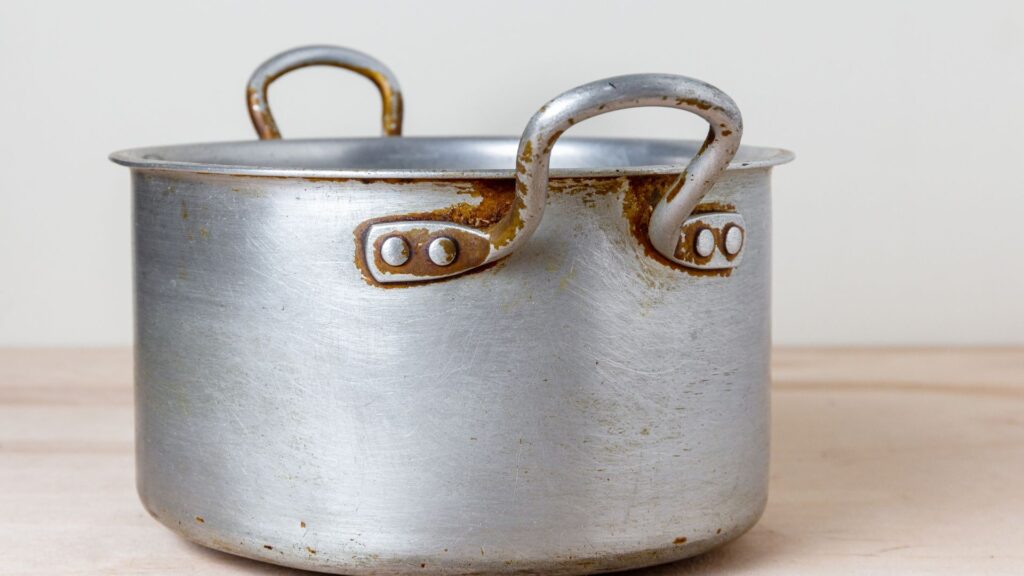
Disposing of restaurant equipment can seem expensive, but several cost-effective strategies exist that reduce financial burden while maintaining safety and compliance. One approach is to identify items that still have resale or scrap value, such as stainless steel counters, ovens, and refrigeration units. Selling, donating, or trading these items can offset removal costs. Another strategy is scheduling removals in batches rather than sporadically, which minimizes service fees and optimizes logistics. Coordinating with commercial junk removal companies that specialize in restaurant equipment often results in bundled pricing and streamlined scheduling. Planning ahead and assessing equipment condition before disposal ensures that resources are allocated efficiently, reducing unnecessary expenditure. Cost-effective disposal does not mean cutting corners; it means using strategy, knowledge, and professional partnerships to achieve safe and sustainable outcomes at a reasonable price.
Professional Services for Equipment Removal
Partnering with professional removal services provides a reliable solution for restaurants managing outdated or broken equipment. These experts bring specialized knowledge, tools, and manpower, ensuring that heavy and potentially hazardous items are moved safely and efficiently. Professional services streamline the entire process, from detachment and transport to environmentally responsible disposal. By handling logistics and compliance, they free restaurant staff to focus on daily operations without added stress or risk. Moreover, experienced providers have established relationships with recycling and disposal facilities, guaranteeing that materials are processed appropriately. Their expertise extends to handling hazardous substances, ensuring that refrigerants, oils, and other potentially harmful components are managed in accordance with legal requirements.
Legal Considerations When Disposing of Commercial Kitchen Equipment
Navigating legal requirements is a critical component of equipment disposal in the restaurant industry. Various laws govern how commercial appliances, electronics, and hazardous materials must be managed, with specific regulations for chemicals, refrigerants, and e-waste. Understanding these obligations ensures compliance and avoids costly penalties. Restaurants must familiarize themselves with local disposal rules, obtain necessary permits, and document the disposal process accurately. Proper handling, labeling, and transportation are essential for meeting regulatory standards. Beyond avoiding fines, legal compliance demonstrates responsible business practices, fostering trust with staff, patrons, and the community. Knowledge of these legal considerations allows restaurant owners to plan and execute disposal strategies effectively, protecting their operations from potential liabilities. Legal compliance also extends to contracts with disposal or removal companies.
Preparing Equipment for Safe Removal
Proper preparation of equipment before removal is crucial for ensuring safety, efficiency, and compliance. Cleaning machines of grease, food residue, and chemicals reduces the risk of accidents and contamination. Disassembling large appliances, when possible, facilitates safer handling and transport. Labeling and segregating components according to recyclability or hazard category streamlines the process and ensures that nothing is overlooked. Preparation also includes securing permits, scheduling pickups, and coordinating with staff to avoid operational disruption. By investing time and attention in these preparatory steps, restaurants minimize the risk of injury, regulatory violations, and damage to property. This structured approach transforms a potentially chaotic process into a systematic, controlled operation. Preparation also allows for a smoother interaction with professional removal services. Clearly identifying which items require special handling, hazardous material management, or separate transport ensures that the service provider can deploy appropriate resources. Effective preparation reduces time spent on site, minimizes costs, and maintains workplace safety. For restaurants, this step is also an opportunity to assess which equipment may still have value for resale or donation.
Maximizing Space Through Equipment Removal
Old or obsolete equipment takes up valuable space that can be repurposed to improve restaurant workflow and efficiency. Removing these items opens up areas for new appliances, storage solutions, or expanded preparation zones. Space management directly impacts productivity, safety, and staff morale, creating an environment conducive to smooth operations. By strategically removing and disposing of outdated equipment, restaurants can optimize layouts and accommodate more efficient processes. The act of clearing clutter also fosters a sense of renewal and operational readiness, signaling that the restaurant is evolving to meet customer and staff needs. Effective space utilization is a strategic benefit of thorough equipment disposal, enhancing both practical functionality and the overall ambiance of the establishment. Optimizing space through removal involves more than simply moving items out. It requires careful assessment of workflow patterns, inventory needs, and safety requirements.
Planning Ahead for Future Equipment Upgrades
Disposal of old equipment should be viewed as an integral part of planning for future upgrades. Proactively managing outdated machinery allows restaurants to anticipate needs, budget for replacements, and schedule installation without disrupting operations. Advanced planning ensures that new equipment integrates smoothly into the kitchen, optimizing functionality and workflow. Restaurants that treat equipment disposal as a forward-looking process benefit from reduced downtime, fewer operational bottlenecks, and a smoother transition to modern, energy-efficient solutions. Strategic foresight in disposal planning demonstrates operational sophistication and reduces the stress associated with last-minute replacements or emergency removals. Planning ahead also allows restaurants to maximize the value recovered from old equipment. Items that are still functional can be sold, donated, or recycled, offsetting costs associated with new purchases. Coordinating disposal with installation schedules minimizes disruption, ensuring that kitchen operations continue seamlessly. Moreover, forward-thinking disposal encourages sustainable practices, as materials are handled responsibly and reused where possible.
Conclusion
Effectively disposing of old restaurant equipment requires careful planning, attention to safety, and an understanding of legal and environmental responsibilities. Partnering with professional services ensures that appliances are removed efficiently and sustainably while minimizing risks and operational disruption. Restaurants that implement strategic, forward-thinking approaches not only enhance workplace safety and compliance but also optimize space, reduce costs, and support environmental stewardship. Proper disposal transforms a logistical challenge into an opportunity for operational improvement and sustainable business practice. Dirty Deeds Junk Removal Los Angeles, located in Los Angeles, provides expert commercial equipment removal services. Contact them at +12136012778 to handle your restaurant equipment disposal safely, efficiently, and responsibly.