
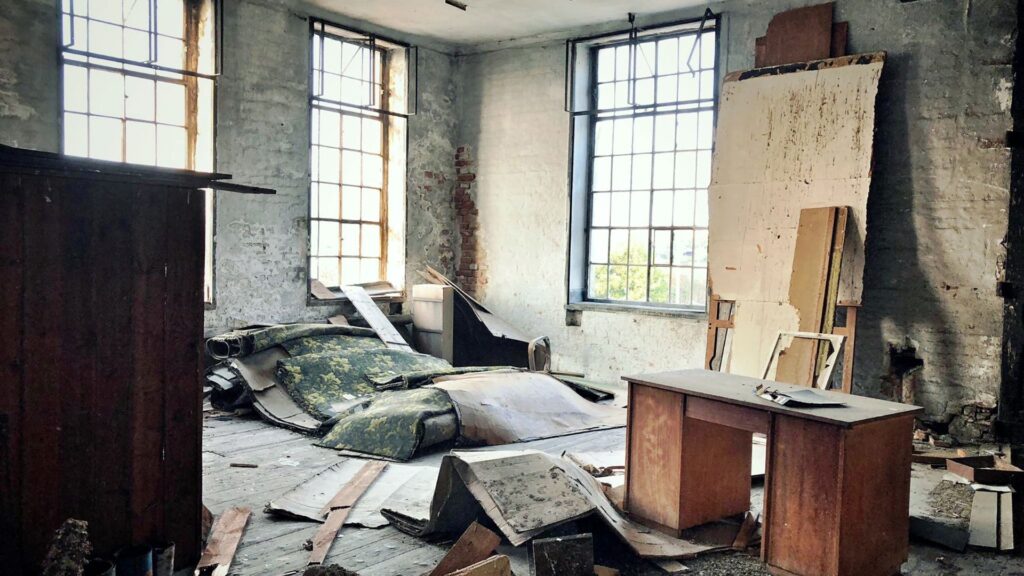
Walking into an office cluttered with outdated furniture, stacks of paper, and forgotten storage units can feel like stepping into a time capsule of inefficiency. Yet with the right mindset and approach, that same space can transform into a haven of productivity and clarity. The journey from chaos to order is not simply about hauling things away, it is about envisioning how the environment fuels the work that happens within. At Dirty Deeds Junk Removal Los Angeles we understand that an office cleanout is not just a service, it is a fresh start. When you clear the unused, the broken, the unnecessary, space opens up literally and mentally. In that opening, productivity, creativity, and calm begin to bloom. Whether you are moving offices, upgrading equipment, or simply reclaiming your workspace, organizing your business space is a strategic act with tangible impact. Let us delve into how that transformation happens and how you can organize your business space in a way that supports what you actually want your office to do.
Revamping Your Workspace Layout for Maximum Productivity
When you first step into the cleared-out space, the physical layout acts like the stage for all your future work. Desks, meeting areas, and storage zones each should serve a clear purpose not merely occupy space. Suppose every piece of furniture aligned with a function rather than habit; suddenly the workspace flows naturally. You might locate the collaborative table near the window to harness daylight while placing individual desks along quieter walls to minimize distraction. In this way, the layout does not just respond to what you have, it anticipates how you work. At Dirty Deeds you can undertake a professional cleanout of old furniture and equipment freeing up the room for an intelligent repositioning. The transformation extends beyond mere tidiness. When the workspace allows movement and sightlines without obstruction it promotes clarity of mind and reduces fatigue. Clear paths between desks allow colleagues to interact seamlessly while shared equipment remains accessible without bottlenecks. With unwanted clutter removed you can now shape an environment where every element has purpose and contributes to productivity naturally.
Choosing the Right Office Furniture During a Cleanout
Clearing out your office is the perfect moment to rethink what you sit in and what surrounds you because furniture sets tone, comfort, and hierarchy. Removing bulky, mismatched pieces allows you to choose streamlined desks, ergonomic chairs, and mobile storage units. The services of Dirty Deeds during a cleanout turn the space into a blank canvas. Consider ease of rotation for chairs, desk mobility, and zone flexibility. Furniture should not constrain workflow but support evolving patterns. When the clutter is removed, every choice becomes intentional. The right furniture balances comfort and aesthetics, promoting a sense of order while accommodating daily needs. Selection extends to materials, durability, and style. Your choices communicate brand identity and employee value in subtle but impactful ways. The cleanout phase ensures space is ready for these improvements, avoiding the compromise of forcing new furniture into a leftover environment.
Digitizing Documents Before Clearing Out Storage Units
In many offices silent clutter resides in boxes of files, old records, and dusty storage units rarely accessed. Before removing storage units with a service such as Dirty Deeds, digitizing essential documents is prudent. Right-sizing archival footprints involves scanning, tagging, and storing in the cloud while discarding outdated material. This reduces physical congestion and accelerates retrieval for future reference. Digitization also introduces redundancy and disaster protection that paper cannot. When preparing for cleanout, evaluating document relevance informs disposal decisions, ensuring only necessary items occupy valuable space. This practice encourages a mindset of intentionality about what is kept versus what is purged. Beyond convenience, it fosters compliance and organizational efficiency. Digitization transforms the workflow. Employees can access records from anywhere, reducing bottlenecks in information exchange. During cleanout, emptying storage units becomes faster and safer without heavy lifting of unnecessary items.
Efficient Disposal Methods for Office Equipment
Old computers, printers, copiers, and miscellaneous electronics accumulate quickly. Proper disposal is essential for safety, environmental responsibility, and office hygiene. Services such as Dirty Deeds facilitate removal of obsolete equipment, ensuring items are recycled or disposed of according to regulations. Removing these devices clears pathways, opens workspace, and removes hidden hazards such as loose wires or broken components. Disposal is not simply about getting rid of items; it is about creating conditions for renewed focus and flow. Staff and clients experience an immediate difference in clarity and organization when obsolete technology is gone. Equipment disposal also opens opportunities for upgrading. Clearing old machines makes room for ergonomic and modern alternatives that improve efficiency and comfort. It reduces maintenance distractions and creates visually appealing areas. Proper handling mitigates data security risks and environmental impact while encouraging responsible corporate behavior.
Maximizing Storage Solutions After a Cleanout
Once clutter is removed, the office can be optimized with storage systems that maximize usability and aesthetics. Modular shelving, labeled bins, and accessible cabinets replace haphazard piles. The cleanout by Dirty Deeds prepares the office for these installations, offering a blank canvas to configure storage intelligently. Consider frequency of access, ergonomics, and departmental separation when designing storage layout. Each element contributes to seamless operations, reducing time spent hunting for documents or supplies. A well-organized storage system increases efficiency and ensures the office maintains order even as workload fluctuates. Storage systems also communicate professionalism. Staff and clients perceive an orderly environment as competent and structured. Beyond function, thoughtful storage supports workflow patterns by grouping related items logically.
Scheduling Regular Office Cleanouts to Maintain Order
Cleanouts are not a one-time fix but a practice for ongoing efficiency. Scheduling regular removal sessions with Dirty Deeds prevents clutter accumulation and supports long-term organization. Regular intervals encourage staff to evaluate what is truly needed, discard excess, and maintain a streamlined environment. It fosters accountability and allows minor issues to be addressed before they become overwhelming. The rhythm of periodic cleanouts becomes part of office culture, reinforcing the value of a clear workspace and reducing stress from visual and operational chaos. Regular cleanouts also offer opportunities for continuous improvement in layout, storage, and workflow. By revisiting the space at planned intervals, management can identify inefficiencies, outdated equipment, or underutilized areas. Each session informs subsequent organizational decisions and maintains momentum in achieving optimal functionality. The office environment evolves gradually and sustainably rather than suffering abrupt, chaotic overhauls. Staff participation and awareness heighten as the space is routinely refined. Ultimately, this approach ensures productivity, morale, and client impressions remain consistently positive without waiting for critical junctures to trigger action.
Implementing a Green Office Policy During Cleanouts
Cleanouts provide a natural opportunity to adopt eco-friendly practices. Disposing of old furniture, electronics, and other materials through recycling programs reduces environmental impact. Services like Dirty Deeds ensure responsible handling of items according to sustainability guidelines. Green policies include selective recycling, donation of reusable items, and avoiding landfill whenever possible. Incorporating sustainability into office organization demonstrates corporate responsibility, enhances brand image, and reduces long-term waste management costs. Green initiatives also influence staff behavior and morale. Employees recognize efforts to reduce waste and may adopt eco-conscious practices in daily routines. The cleanout becomes a symbolic and practical step toward a more responsible office culture. Materials that might have been forgotten are now carefully processed, and office resources are managed more consciously.
Enhancing Office Aesthetics Through Cleanouts
Physical cleanliness affects perception and productivity. Cleanouts allow offices to reveal architectural features, refresh walls, and introduce natural light without obstruction. Removing clutter creates space for aesthetic enhancements like plants, art, and ergonomic furniture arrangements. At Dirty Deeds, removal services facilitate these changes, allowing designers and staff to envision the office not merely as a functional environment but as a space that inspires creativity and pride. Aesthetics impact both internal morale and client impressions, subtly conveying professionalism and intentionality. Refined aesthetics also encourage proper maintenance. When staff see a visually appealing environment, they are more likely to contribute to its upkeep. The interplay of clean surfaces, organized zones, and well-chosen decor contributes to a perception of competence and care. Cleanouts act as the first step in revealing hidden potential, opening the way for deliberate design choices that align with company culture and operational goals. A visually stimulating office supports engagement, collaboration, and overall satisfaction.
Planning for Future Expansion During Office Cleanouts
Every cleanout is a moment to consider future growth. Evaluating current space usage, equipment needs, and storage efficiency informs expansion plans. Removal of unnecessary items allows managers to foresee flexible areas for new hires or additional departments. Dirty Deeds assists in making this transition seamless by ensuring old and obsolete items are efficiently removed. A strategic approach ensures the office can adapt to changes in team size or workflow without frequent disruptive interventions. Planning ahead also involves considering modular furniture, adjustable layouts, and scalable storage. Decisions made during cleanouts today influence the ease of accommodating new technologies or personnel tomorrow. Thoughtful space management reduces costs associated with reactive adjustments and maintains operational continuity.
Conclusion
Organizing an office through a professional cleanout reshapes both the physical and psychological environment. Beyond simply removing clutter, it sets the stage for optimized layouts, ergonomic furniture, efficient storage, and future readiness. Digitizing records, responsibly disposing of equipment, and integrating sustainable practices reinforce operational efficiency and corporate responsibility. Cleanouts encourage continuous improvement, enhance aesthetics, and provide space for growth. The expertise and services of Dirty Deeds Junk Removal Los Angeles in Los Angeles make this transformation straightforward, efficient, and strategically aligned with your business needs. Reach them at +12136012778 to reclaim, redesign, and revitalize your workspace today.