
Residential junk removal is more than just a chore; it is an opportunity to reclaim your living space, restore order, and create an environment that feels lighter and more purposeful. Every home accumulates items over time, many of which no longer serve a practical or emotional function. From broken furniture to outdated appliances and miscellaneous clutter, the accumulation can start to weigh on both the physical and mental space of a household. Engaging in residential junk removal allows homeowners to actively participate in simplifying their surroundings while also making environmentally conscious decisions through proper disposal or recycling of unwanted items. It is an exercise in efficiency, sustainability, and forward-thinking management of one’s personal space. A clear, organized home can enhance daily routines, improve safety, and foster a more serene atmosphere where both residents and visitors can feel comfortable. Approaching junk removal methodically, understanding local disposal regulations, and knowing which items require special handling can transform what seems like an overwhelming task into a manageable and even satisfying project.
Transforming Cluttered Spaces into Functional Living Areas
Many homeowners struggle with cluttered rooms that slowly encroach upon their living space, turning once comfortable areas into chaotic zones. By addressing the accumulation of unused or broken items, a home can be restored to a functional and aesthetically pleasing environment. Residential junk removal focuses not only on removing items but also on assessing the value, purpose, and necessity of possessions. Each decision about what to keep, donate, or dispose of requires careful thought, blending practical considerations with emotional attachments. The process encourages reflection on consumption habits and promotes conscious living, reminding individuals of the importance of intentional ownership. Proper planning ensures that large or difficult-to-handle items are removed safely, while smaller clutter can be sorted efficiently for recycling, donation, or disposal. The result is a home that feels spacious, organized, and easier to maintain over time. By approaching the removal systematically, residents can turn previously overlooked corners into functional spaces that serve daily needs and long-term goals.
Planning Your Residential Junk Removal Strategy
Effective residential junk removal begins with a solid plan. Homeowners should start by evaluating which areas of the house require attention, identifying problem zones such as basements, garages, attics, or storage rooms. Creating a checklist of items to remove helps prioritize actions and ensures that nothing is overlooked. Categorization is key, separating materials into groups such as recyclable, donation-ready, hazardous, or trash. This organized approach not only streamlines the process but also facilitates compliance with local regulations governing waste disposal. In many cities, certain items like electronics, chemicals, or appliances require special handling to avoid environmental harm or fines. By addressing these in advance, homeowners can prevent last-minute challenges and ensure that the removal process proceeds smoothly. Planning also allows for time-efficient scheduling, whether hiring a professional service or coordinating a DIY approach with family members.
Choosing the Right Residential Junk Removal Service
Selecting a professional residential junk removal service can greatly simplify the decluttering process. Not all services offer the same level of care, expertise, or environmental responsibility, making research a crucial step. Homeowners should consider factors such as pricing transparency, range of services, and adherence to eco-friendly disposal practices. Services that recycle or donate items instead of simply discarding them align with sustainable living principles and contribute positively to the community. Additionally, experienced teams can handle large furniture, heavy appliances, and hazardous materials with precision, reducing the risk of injury or property damage. Choosing a reputable provider also saves time and effort, allowing homeowners to focus on other aspects of organizing and refreshing their living space. Communication with the service provider is equally important. Clear instructions about what needs removal, timing preferences, and access requirements ensure a smooth operation from start to finish.
Eco-Friendly Residential Junk Disposal Practices
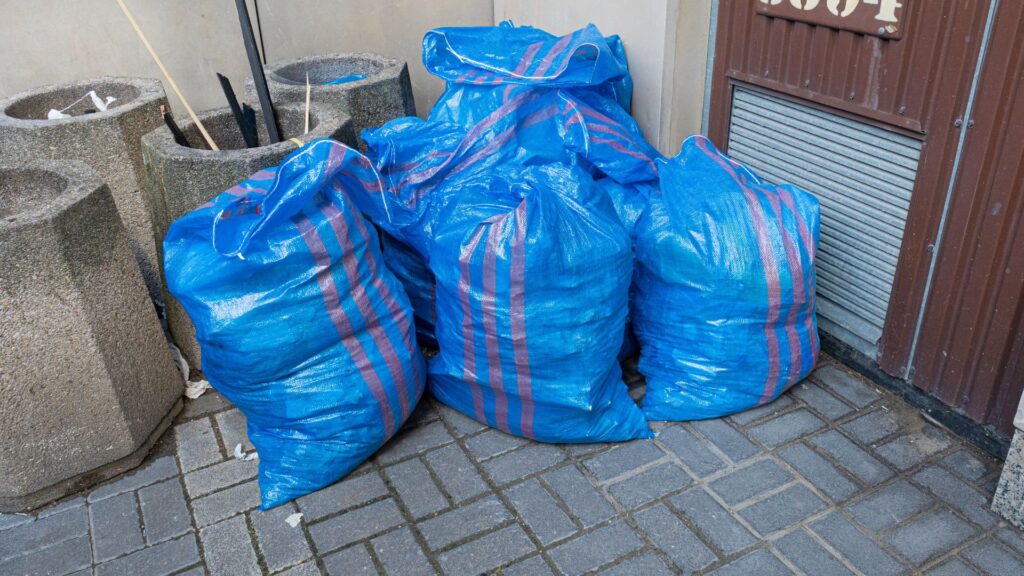
In today’s environmentally conscious society, eco-friendly residential junk removal has become an essential consideration. Disposing of items responsibly ensures that valuable resources are repurposed or recycled rather than contributing to landfill overgrowth. Homeowners should educate themselves on which items can be recycled, donated, or require specialized treatment, such as electronics, batteries, or hazardous chemicals. By integrating sustainable practices into the removal process, individuals reduce environmental impact while promoting community welfare through donations. This approach turns junk removal into a meaningful activity that benefits both the household and the broader ecosystem. Implementing eco-friendly strategies begins with separation of materials at the source. Sorting items into recyclables, reusable goods, and waste simplifies the disposal process and enhances compliance with local ordinances. Partnering with a junk removal service committed to environmentally responsible practices can further ensure that items are diverted from landfills when possible.
Maximizing Space in Small Homes
Small homes and apartments present unique challenges when it comes to junk accumulation. Limited square footage means that clutter can quickly overwhelm living areas, impacting functionality and comfort. Residential junk removal is particularly transformative in these spaces, allowing residents to reclaim critical areas such as closets, storage rooms, and living rooms. By carefully selecting which items to retain and removing those that are unnecessary, homeowners can enhance usability, create better traffic flow, and improve overall livability. The process also encourages efficient storage solutions, including modular shelving, under-bed storage, and compact organizational systems. In addition to physical space improvements, decluttering a small home has psychological advantages. Reducing visual chaos can lower stress and create an impression of larger, more open areas.
Preparing for Seasonal Cleanouts
Seasonal cleanouts provide an ideal opportunity for comprehensive residential junk removal. Shifts in weather, lifestyle routines, or home activities often highlight accumulated items that are no longer necessary. Winter may reveal bulky outdoor furniture that has deteriorated, while spring cleaning can unearth outdated décor or unused kitchen appliances. By aligning junk removal with seasonal cycles, homeowners can manage clutter proactively rather than reactively, keeping living spaces fresh, organized, and safe year-round. Planning seasonal cleanouts also allows for coordinated donation efforts, recycling, or proper disposal of items that may have specific handling requirements. Preparation is critical for a smooth seasonal removal process. Homeowners should inventory each area of the house, identify items for removal, and decide on disposal strategies in advance. Proper equipment and professional support can streamline the process, especially when dealing with large or heavy items.
Handling Bulky and Hazardous Items
Not all household junk is small or easy to manage. Bulky furniture, appliances, and hazardous materials require special attention to avoid injury and ensure legal compliance. Improper handling can lead to accidents or environmental violations, making knowledge and preparation essential. Professional residential junk removal services provide the tools, experience, and safety protocols needed to manage these items efficiently. Homeowners can benefit from expert handling, reducing both physical strain and the risk of damage to their home or property. Knowing which materials require separate disposal channels, such as electronics, paint, or chemicals, is a crucial part of responsible residential junk removal. The process of managing bulky and hazardous items begins with accurate assessment and strategic planning. Identifying weight, fragility, and potential risks ensures proper equipment usage and team coordination.
The Role of Technology in Junk Removal
Technology has introduced new efficiencies in residential junk removal, offering scheduling, tracking, and logistical management tools that streamline the process. Many professional services provide online booking, instant quotes, and real-time updates, allowing homeowners to plan and coordinate removals with precision. Digital platforms facilitate better communication between clients and service teams, reducing misunderstandings and improving overall efficiency. Technology also plays a role in eco-conscious disposal, helping track items for recycling, donation, or proper waste management. By leveraging digital tools, homeowners can achieve a faster, more organized, and less stressful removal experience. Advanced technology also supports analytical approaches to clutter management. Homeowners can inventory possessions digitally, assess what can be recycled or donated, and create structured removal plans. This method reduces guesswork, ensures accountability, and aligns with sustainable practices by documenting the disposal path of each item. In combination with professional services, technology transforms residential junk removal from a labor-intensive chore into a streamlined, well-organized process.
Maintaining a Clutter-Free Home
Completing a residential junk removal project is only the first step toward a sustainable clutter-free lifestyle. Maintaining order requires ongoing habits, including mindful purchasing, regular purging of unneeded items, and efficient storage solutions. Establishing routines such as periodic inventory checks and seasonal cleanouts prevents accumulation from reaching overwhelming levels. By integrating these practices, homeowners can enjoy the benefits of an organized environment consistently rather than temporarily. The goal is not only a cleaner home but also a more intentional and stress-free way of living. Sustained clutter management also encourages long-term mindfulness about possessions. Homeowners become more selective about acquisitions, focusing on utility, quality, and longevity rather than impulse accumulation. Storage solutions, organizational tools, and consistent review of belongings ensure that spaces remain functional and welcoming. Maintaining a clutter-free home is an ongoing commitment, blending practical household management with conscious living principles. It transforms the home into a space of clarity, comfort, and efficiency where both immediate enjoyment and future organization are naturally supported.
Conclusion
Residential junk removal is a multifaceted process that combines organization, safety, environmental responsibility, and practical planning. From managing bulky items to incorporating eco-friendly disposal methods and leveraging technology, each aspect contributes to a cleaner, safer, and more functional living space. Partnering with professional services ensures efficiency and compliance with regulations while reducing physical strain and stress. By planning carefully, executing strategically, and maintaining habits for ongoing order, homeowners can transform their spaces into harmonious environments that support daily life and long-term well-being. For professional assistance with residential junk removal in Los Angeles, contact Dirty Deeds Junk Removal Los Angeles at +12136012778.