
Maintaining a lush and healthy yard often comes with the unavoidable task of handling yard waste. Grass clippings, branches, leaves, and other organic debris accumulate over time, creating a cluttered and unkempt outdoor space. Yet, disposing of this material does not need to harm the environment. Eco friendly yard waste removal focuses on methods that minimize ecological impact, promoting recycling, composting, and sustainable disposal practices. Instead of sending organic matter to overcrowded landfills, which contributes to greenhouse gas emissions, responsible removal channels this waste into useful products that nourish the soil and support local ecosystems. By embracing such practices, homeowners and businesses alike can reduce their carbon footprint while keeping outdoor areas attractive and safe. The shift toward greener disposal strategies is not merely a trend but a necessary step in preserving urban and suburban green spaces for future generations. It encourages a sense of responsibility for the environment that can extend beyond the yard into other areas of daily life.
How Eco Friendly Yard Waste Removal Protects Local Wildlife
Proper disposal of yard waste plays a crucial role in protecting local wildlife. Accumulated organic debris that is left unmanaged can disrupt natural habitats, attract pests, or create unsafe conditions for small animals. Composting and controlled removal, on the other hand, ensure that plants and foliage return to the ecosystem in a manner that supports rather than threatens local flora and fauna. Decomposing yard materials can provide nutrient rich soil that supports garden plants, which in turn supply shelter and food for birds, insects, and other small creatures. When homeowners and landscapers practice eco-friendly yard waste removal, they are actively contributing to a balanced and thriving environment where wildlife can flourish. This careful attention to ecological cycles reduces the need for chemical interventions or invasive pest control methods, creating a safer and more harmonious outdoor space for both humans and animals.
The Environmental Impact of Traditional Yard Waste Disposal
Traditional yard waste disposal methods, often involving curbside pickup or landfill dumping, can carry significant environmental consequences. When organic material is sent to landfills, it decomposes anaerobically, producing methane, a potent greenhouse gas that contributes to climate change. Additionally, transporting yard waste using gas powered vehicles increases carbon emissions and fuel consumption, further exacerbating environmental degradation. Chemicals and residues from garden treatments can leach into soil and water when waste is not properly managed, harming both plants and wildlife. Ignoring eco-friendly alternatives perpetuates a cycle of environmental strain that undermines local ecosystems, reduces soil fertility, and impacts urban air quality. By contrast, adopting sustainable yard waste removal practices mitigates these negative effects and promotes a healthier relationship between human activity and the natural environment. Such a shift aligns with broader goals of reducing waste, conserving resources, and promoting long term ecological resilience.
Benefits of Composting Yard Waste at Home
Composting yard waste at home offers both ecological and practical advantages. Organic materials such as leaves, grass clippings, and small branches break down naturally into nutrient rich compost that can improve soil health, enhance plant growth, and reduce the need for chemical fertilizers. Home composting also minimizes the volume of waste transported to landfills, cutting down on transportation related emissions and landfill methane production. Beyond environmental benefits, composting provides gardeners with a free and renewable source of fertilizer, supporting healthier lawns, gardens, and potted plants. It encourages a deeper understanding of natural cycles, connecting individuals to the processes of decomposition, soil formation, and nutrient recycling. For families and communities, home composting fosters sustainable habits that extend into other areas of waste management, creating a culture of responsibility and mindfulness.
Choosing Professional Eco Friendly Yard Waste Services
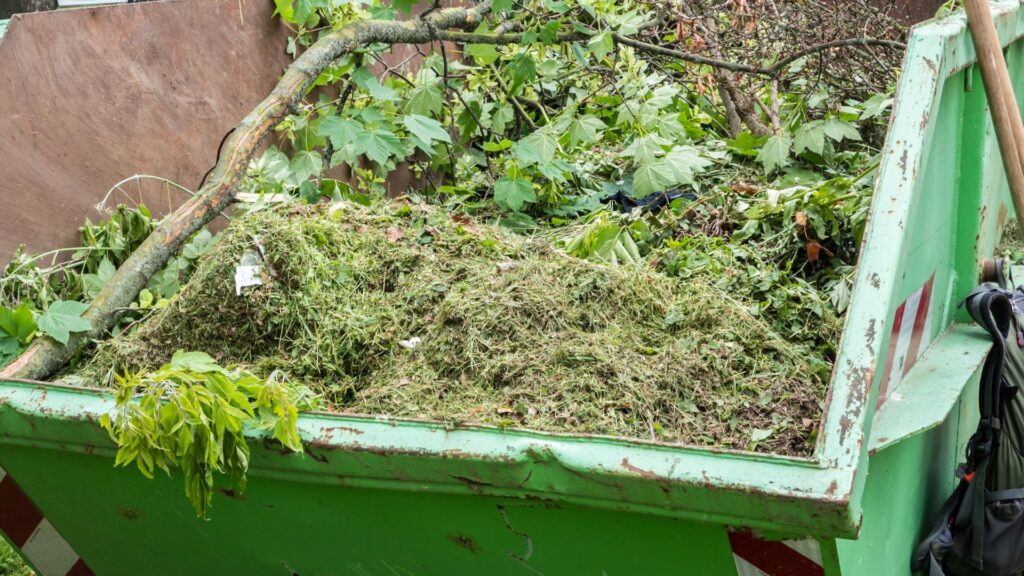
While home composting is effective, many homeowners and businesses benefit from professional eco friendly yard waste services. These providers bring expertise, equipment, and efficient methods to handle large volumes of yard debris while minimizing environmental impact. Professionals can sort materials, transport them responsibly, and transform waste into compost, mulch, or other reusable products. This reduces the burden on municipal waste systems and prevents the harmful effects of improper disposal, such as methane emissions, chemical runoff, and habitat disruption. By hiring specialists, property owners gain peace of mind knowing that their yard waste is being managed sustainably while freeing themselves from the time and labor involved in handling large or difficult to manage debris. Professional services also ensure compliance with local regulations and waste management standards, streamlining the process for clients who may not be familiar with sustainable disposal practices.
Eco Friendly Yard Waste and Soil Health
Proper management of yard waste has a direct impact on soil health, a critical element for thriving gardens and landscapes. Decomposed organic matter improves soil structure, increases nutrient content, and enhances water retention, making plants more resilient to drought and disease. Eco friendly yard waste removal practices, such as composting and mulching, ensure that these benefits are realized rather than lost to landfills. By returning plant material to the soil in a controlled manner, homeowners and landscapers contribute to long term fertility, reducing the need for synthetic fertilizers that can harm the environment. Healthy soil also supports beneficial microorganisms, which play a key role in nutrient cycling and plant health. Investing in sustainable yard waste disposal, therefore, is not just about reducing waste, but about cultivating vibrant, productive landscapes that sustain themselves naturally over time. Implementing soil enhancing techniques requires strategic planning and consistent maintenance. Applying mulch derived from shredded yard waste helps regulate soil temperature, suppress weeds, and conserve moisture, while composted material enriches nutrient levels and promotes root development.
Reducing Carbon Footprint Through Yard Waste Management
The choices made in yard waste management directly influence a property’s carbon footprint. Traditional disposal methods, particularly those that rely on landfill dumping and frequent truck hauling, contribute to greenhouse gas emissions and fuel consumption. Eco friendly yard waste removal, including composting, mulching, and professional sustainable services, reduces the need for transport and ensures organic matter returns to the soil instead of releasing methane in landfills. Every step taken toward greener yard maintenance lessens energy use, mitigates climate impact, and promotes sustainable urban living. By consciously selecting eco-friendly methods, homeowners and businesses can align everyday landscaping tasks with broader environmental goals, turning a simple routine chore into a measurable contribution to reducing carbon emissions. Reducing a carbon footprint through yard waste management also encourages innovation and adaptation.
Integrating Eco Friendly Practices into Urban Landscapes
Urban landscapes face unique challenges, including limited space, pollution, and high population density. Eco friendly yard waste removal can be adapted to these conditions, offering sustainable solutions that maximize the ecological benefits of small green spaces. Techniques such as container composting, vertical mulching, and coordinated neighborhood green programs allow city dwellers to manage yard debris responsibly while enriching soil, supporting plant growth, and fostering biodiversity. Green disposal practices within urban settings improve air quality, reduce stormwater runoff, and create visually appealing outdoor spaces that contribute to overall community well being. By integrating eco-friendly approaches into urban yard maintenance, residents and property managers actively participate in environmental stewardship, transforming limited green areas into thriving, sustainable ecosystems. Urban adaptation also emphasizes collaboration and education. Municipal initiatives, local waste collection programs, and professional eco friendly services provide guidance, resources, and infrastructure to facilitate responsible yard waste management. Residents can participate in compost exchanges, community gardens, and soil enhancement projects that benefit shared spaces. By incorporating eco-friendly practices, city neighborhoods achieve environmental resilience despite spatial constraints, demonstrating that sustainable landscaping is feasible and rewarding. The ripple effect of urban green initiatives extends beyond individual properties, influencing city planning, community engagement, and ecological health, ultimately creating harmonious spaces that balance human activity with natural processes.
Seasonal Strategies for Eco Friendly Yard Waste Removal
Different seasons bring unique challenges and opportunities for yard maintenance, and eco-friendly waste removal requires adapting to these cycles. Spring and summer often generate abundant clippings, pruning debris, and plant trimmings, while fall produces large volumes of leaves. Winter may leave branches and organic waste after storms. Adopting seasonal strategies ensures that yard waste is managed effectively and sustainably, minimizing environmental impact while maintaining garden health. Techniques such as timely composting, proper storage of organic matter, and pre-seasonal cleanup reduce stress on municipal waste systems and prevent garden damage. Awareness of seasonal dynamics allows property owners to plan ahead, apply appropriate disposal methods, and maintain productive, attractive landscapes year round without compromising sustainability. Compost generated from spring and summer clippings can enrich soil for fall planting, while fallen leaves in autumn can serve as insulating mulch for winter. Adjusting removal schedules to align with seasonal growth patterns ensures efficient processing, prevents waste accumulation, and supports continuous nutrient cycling. These practices not only reduce environmental strain but also simplify yard maintenance, making eco-friendly disposal practical and beneficial regardless of weather or plant growth cycles.
Conclusion
Implementing eco friendly yard waste removal transforms the way properties are maintained while actively supporting environmental sustainability. By focusing on composting, mulching, and professional sustainable services, homeowners and businesses reduce landfill reliance, lower carbon emissions, and enrich soil health. Thoughtful yard waste management contributes to local biodiversity, supports wildlife, and ensures that green spaces remain attractive and productive year round. Seasonal strategies, urban adaptations, and professional services further enhance efficiency and ecological benefits, creating a holistic approach to yard care that benefits both the property and the wider community. Choosing sustainable disposal methods turns an ordinary chore into a proactive act of environmental stewardship, demonstrating that responsible yard management has far reaching positive effects beyond the immediate landscape. For reliable and eco friendly yard waste removal services, contact Dirty Deeds Junk Removal Los Angeles located in Los Angeles at +12136012778.