
A full office cleanout is far more than a simple sweep or dusting of an empty space. It is an intricate process that involves careful planning, meticulous execution, and a focus on efficiency to ensure that every corner of your workspace is restored to a pristine state. Whether you are preparing for a complete renovation, relocating to a new office, or simply clearing out years of accumulated clutter, understanding the scope of a full office cleanout is essential. It is a service that encompasses everything from removing unwanted furniture, electronics, and miscellaneous items to properly disposing of materials that no longer serve a purpose. This process often extends beyond the visible surfaces, involving hidden storage areas, forgotten drawers, and overlooked office nooks. A well-executed cleanout not only improves the aesthetic appeal of your office but also enhances safety and productivity. By eliminating obstacles and outdated equipment, employees can navigate their workspace more efficiently, and businesses can operate without the distraction of clutter. A comprehensive cleanout can also be environmentally conscious, ensuring that recyclable and reusable items are sorted and disposed of correctly. The process requires a combination of manpower, strategy, and professional expertise to guarantee that the office is left in a condition that supports the next phase of operations or renovations. Recognizing the full scope of what a cleanout includes helps businesses make informed decisions and ensures a smooth transition to a renewed and organized workspace.
Understanding the Scope of Office Furniture Removal
Office furniture removal is often the most noticeable aspect of a full office cleanout, yet it involves a level of precision that goes beyond simply hauling items away. Desks, chairs, cubicles, and conference tables can be cumbersome and heavy, requiring careful handling to prevent damage to the floors, walls, and remaining fixtures. The removal process usually begins with an inventory assessment, identifying items that can be donated, recycled, or discarded entirely. High-quality furniture that remains usable may be sent to charity organizations or resold, contributing to a more sustainable approach. Items that are damaged or obsolete are responsibly disposed of to minimize environmental impact. Proper disassembly and careful maneuvering ensure that the removal process is safe and efficient, reducing the risk of injury to workers and damage to the property. Beyond the physical removal, coordinating logistics is crucial for minimizing downtime. Office operations may need to continue during the cleanout, so professionals often create a structured schedule that aligns with business hours. This could involve clearing one section at a time or using off-hours to complete the bulk of the work. Efficient furniture removal not only clears space but also allows for a seamless transition to subsequent stages, such as deep cleaning or renovation. A professional approach guarantees that the process is conducted systematically, avoiding chaos and ensuring that the office can quickly regain functionality without unnecessary disruption.
Electronic Waste Management and Disposal
Handling old electronics is a critical component of a full office cleanout, especially as technology continues to evolve rapidly. Computers, printers, monitors, and other electronic devices often contain sensitive information and hazardous materials that require careful attention. Secure disposal methods are essential to prevent data breaches and comply with environmental regulations. Electronics that are still functional can be refurbished or donated, giving them a second life while keeping them out of landfills. Non-functional devices are dismantled and processed through certified recycling programs to ensure that metals, plastics, and other components are recovered and reused safely. Failing to manage electronic waste properly can pose serious legal and environmental consequences, making professional handling indispensable. The logistics of electronic waste management often involve labeling, categorizing, and transporting devices to the appropriate disposal or recycling facilities. Office cleanout services include inventory tracking to document which items are removed and how they are processed. This process ensures accountability and transparency, particularly for businesses with strict compliance requirements. Additionally, using trained professionals reduces the risk of accidental data leaks or environmental contamination. By integrating electronic waste management into a full office cleanout, businesses can simultaneously maintain data security, protect the environment, and create a safer and more organized workspace for employees and visitors alike.
Comprehensive Storage and Document Clearance
Clearing out an office extends beyond furniture and electronics to include extensive storage areas, filing cabinets, and document archives. Over time, offices accumulate paperwork, contracts, manuals, and various files that may no longer be relevant. A thorough cleanout involves categorizing these materials to determine what must be securely shredded, recycled, or retained for compliance purposes. Proper document clearance safeguards sensitive information and ensures that confidential data is not left vulnerable to misuse. Organized disposal also makes room for more efficient storage solutions and reduces the clutter that can hinder day-to-day operations. Beyond paper management, storage areas often hide forgotten office supplies, promotional materials, or old equipment that is no longer needed. Sorting through these items requires methodical planning and attention to detail. Professionals executing a full cleanout prioritize items based on value, relevance, and disposal requirements. Items that are reusable or recyclable are separated from those destined for disposal, ensuring that the process is environmentally responsible.
Carpet and Flooring Removal
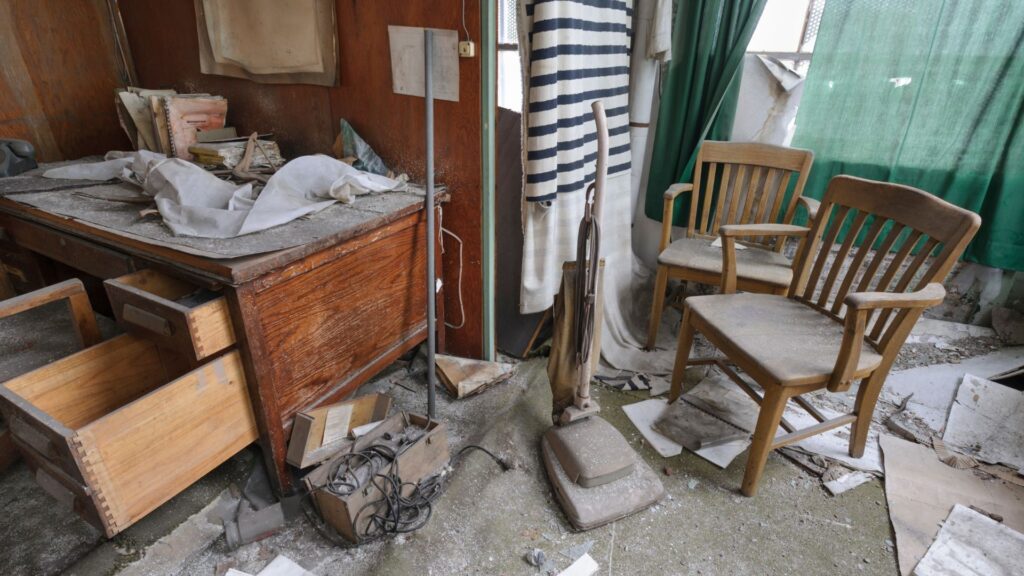
An often-overlooked aspect of a full office cleanout is the removal or restoration of carpets and flooring. Over time, office floors can accumulate dirt, stains, and wear that not only affect appearance but also compromise hygiene and safety. Professional cleanout services include removing old carpeting, tiles, or other flooring materials to prepare the space for new installations or renovations. This task requires careful handling to avoid damaging the underlying floor structure and adjacent areas. Proper disposal or recycling of materials is also crucial to minimize environmental impact. Flooring removal involves assessing the condition of the existing surface, planning the extraction process, and employing specialized equipment to ensure efficiency and safety. Once removed, the area is often cleaned and prepped for subsequent treatments, such as refinishing or the installation of new materials. The process contributes to a cleaner, healthier office environment while providing a fresh foundation for future design improvements.
Specialized Cleaning of Kitchens and Break Areas
Office kitchens and break areas often harbor accumulated grime, leftover food, and clutter that require specialized attention during a full cleanout. These spaces are high-traffic zones, and maintaining cleanliness is essential for hygiene, safety, and employee satisfaction. Cleanout services typically involve clearing out old appliances, furniture, and utensils that are no longer functional or sanitary. Deep cleaning of surfaces, sinks, and counters ensures that these areas are safe for future use, while proper disposal of expired food and outdated supplies minimizes health risks. The process goes beyond simple tidying and includes evaluating equipment for donation, recycling, or disposal. Efficient handling of these spaces requires coordination to prevent disruption to remaining office functions. Appliances such as refrigerators, microwaves, and coffee machines may need to be removed carefully to avoid spills or damage. Integrating kitchens and break areas into the full cleanout plan ensures that no part of the office is neglected.
Window and Wall Surface Clearance
A complete office cleanout extends to walls, windows, and other vertical surfaces, which often accumulate dust, dirt, and remnants of previous decor. Removing fixtures, posters, whiteboards, and other mounted items is part of the comprehensive process. Walls may also require patching or repair to address holes or imperfections left behind by removed installations. Window cleaning is equally important, as it enhances natural light, improves the office’s appearance, and contributes to a healthier work environment. Professional cleanout services approach these tasks with careful planning and specialized equipment. Fixtures are removed without causing unnecessary damage, and surfaces are cleaned to remove all residues. This stage of the cleanout ensures that the office is visually refreshed and prepared for either new occupants or renovation projects. Addressing wall and window surfaces demonstrates attention to detail and commitment to a thorough, complete transformation. Incorporating this level of detail guarantees that no aspect of the office is overlooked, resulting in a clean, organized, and professional workspace.
Hazardous Material Handling
Certain office environments may contain hazardous materials that require careful management during a full cleanout. This can include chemicals used in laboratories, cleaning agents, batteries, or other potentially dangerous items. Handling such materials necessitates specialized knowledge to prevent accidents, environmental contamination, and legal complications. Professional cleanout services include identifying, categorizing, and safely disposing of hazardous substances according to local regulations and industry standards. Proper hazardous material handling ensures a safer workspace for employees and contractors while protecting the surrounding environment. The process often involves segregating hazardous items, using appropriate protective gear, and transporting them to certified disposal facilities. Integrating hazardous material management into a full office cleanout guarantees that all potentially dangerous elements are addressed responsibly.
Efficient Packing and Moving of Essential Equipment
In addition to disposal, a full office cleanout may involve packing and moving essential equipment that will continue to be used in the office or relocated to another facility. This includes computers, servers, filing systems, and specialized machinery that requires careful handling. Professionals use protective packaging, labeling, and strategic planning to ensure that equipment is transported without damage. Efficiency and organization during this process reduce downtime and facilitate a smoother transition to the next stage of office operations. Careful handling of essential equipment also involves coordinating logistics and prioritizing items based on usage and importance. Professionals may create an inventory system to track equipment during transport, ensuring accountability and preventing loss or misplacement.
Conclusion
A full office cleanout encompasses furniture removal, electronic waste management, document clearance, flooring and surface restoration, kitchen and break area sanitation, hazardous material handling, equipment packing, final inspections, and meticulous planning to minimize disruption. This comprehensive approach ensures that the office is restored to a functional, safe, and visually appealing state, supporting productivity and operational efficiency. For professional full office cleanout services in Los Angeles, contact Dirty Deeds Junk Removal Los Angeles at +12136012778.