
Clearing out a warehouse is a process that stretches beyond the simple removal of items. It is a strategic undertaking that demands planning, coordination, and an understanding of the unique challenges warehouses present. From outdated shelving and obsolete inventory to surplus equipment and packaging materials, warehouses often accumulate a mixture of items that can feel overwhelming to manage. Undertaking a cleanout requires more than just physical effort; it demands a thoughtful approach to logistics, safety, and disposal methods. For businesses, this process can transform a cluttered storage area into an organized, functional space that enhances productivity, safety, and operational efficiency. Understanding the stages of a warehouse cleanout allows property managers and business owners to anticipate potential hurdles and make informed decisions about how to approach the task efficiently. By grasping what to expect, companies can not only expedite the process but also maximize the value of their space, minimize downtime, and adhere to proper environmental and safety standards. Warehouse cleanouts also involve a level of decision-making that goes beyond what items are removed. Determining what can be sold, donated, recycled, or discarded is crucial to achieving both operational and financial goals.
Transforming Cluttered Spaces into Organized Warehouses
The transformation of a cluttered warehouse into an organized and navigable space begins with a clear assessment of what is stored and how it impacts daily operations. Items often accumulate without a defined system, creating bottlenecks, safety hazards, and lost efficiency. Professionals conducting a warehouse cleanout typically start by identifying the high-priority areas where removal or relocation will have the most immediate operational benefit. This approach ensures that even during partial cleanouts, critical pathways and functional areas remain accessible and safe. The process can uncover outdated inventory, obsolete materials, or broken equipment that no longer serves the business. Recognizing these elements early helps businesses make informed choices about reselling, donating, or responsibly disposing of items, turning clutter into opportunity. Beyond the tangible benefits, the psychological effect of an organized warehouse cannot be underestimated.
Prioritizing Safety and Compliance in Cleanouts
Safety is an essential consideration during any warehouse cleanout. Warehouses are often filled with heavy equipment, high shelving, and chemical or hazardous materials, creating an environment where accidents can occur if proper precautions are not taken. Professional cleanout teams are trained to handle these risks, ensuring that items are moved safely, pathways remain clear, and potential hazards are mitigated. Protective equipment, careful planning, and adherence to occupational safety standards reduce the risk of injuries to staff or damage to property during the cleanout process. By prioritizing safety, businesses safeguard their workforce and prevent disruptions that could result from workplace accidents.
Strategic Planning for Efficient Cleanouts
A warehouse cleanout demands thoughtful strategic planning to maximize efficiency and minimize disruptions. Identifying the goals of the cleanout, whether freeing space for new inventory, preparing for renovations, or disposing of obsolete materials, informs the approach to sorting, moving, and disposing of items. Planning also involves creating a timeline, assigning responsibilities, and determining the necessary equipment and labor. Businesses benefit from a step-by-step roadmap, which ensures that even large-scale cleanouts proceed systematically without causing operational interruptions. Planning mitigates chaos, reduces stress, and allows teams to work in a coordinated manner. Efficiency also stems from categorizing items according to their next stage. Items may be sold, recycled, donated, or discarded, and having a clear strategy accelerates decisions and actions. Effective planning reduces the likelihood of overlooked areas, redundant efforts, and wasted time.
Sorting and Categorizing Inventory
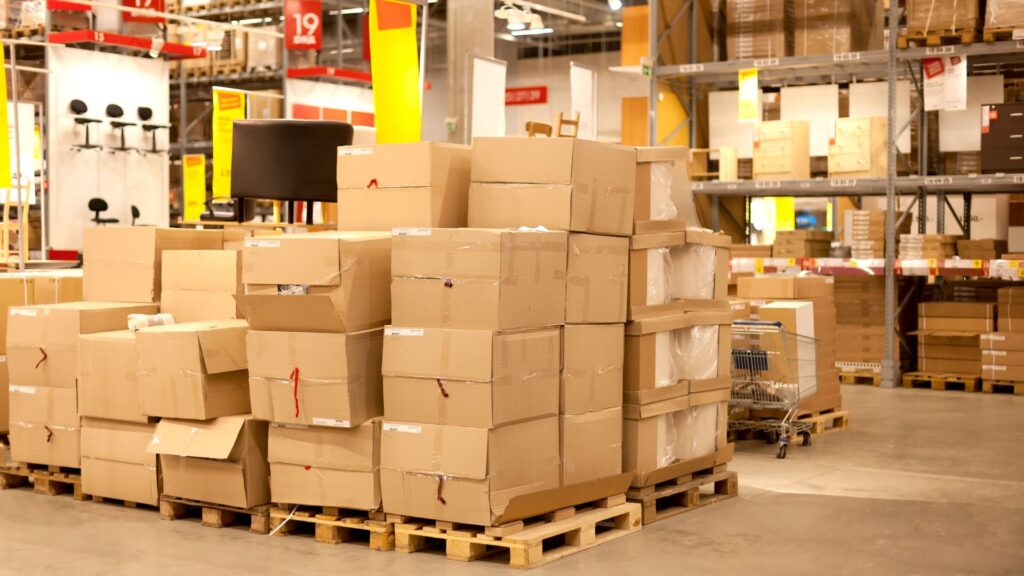
Sorting is one of the most critical stages in a warehouse cleanout. Each item must be evaluated for usefulness, value, or compliance with disposal regulations. This step often uncovers hidden assets that may be repurposed or resold, while also identifying items that must be discarded due to damage, obsolescence, or contamination. Sorting requires careful attention to detail and often involves a combination of visual inspections, inventory reviews, and consultations with staff who are familiar with the warehouse contents. Establishing clear categories ensures that every item is addressed appropriately, and that no valuable asset is accidentally discarded. Categorization enhances both operational clarity and the logistics of removal. Grouping items into piles for sale, donation, recycling, or trash streamlines transportation and ensures compliance with disposal rules. Proper categorization also simplifies ongoing warehouse management, making it easier to maintain organization in the long term.
Handling Large Equipment and Specialized Items
Warehouses often contain large or specialized equipment that cannot be moved without proper tools and techniques. Forklifts, pallet jacks, and custom machinery require careful handling to avoid damage and ensure staff safety. Professional cleanout teams have the training and equipment to manage these items efficiently, minimizing the risk of accidents or costly damages. Coordinating the movement of oversized objects is a logistical challenge that benefits from experience and precise planning. Specialized items, such as hazardous materials, chemicals, or electronics, require additional considerations. Improper handling can result in safety hazards, regulatory violations, and environmental damage. A professional approach ensures that these items are removed and disposed of in compliance with applicable laws, safeguarding both employees and the broader community.
Streamlining Waste Removal and Recycling
Efficient waste removal and recycling is central to the success of a warehouse cleanout. Warehouses generate a variety of waste types, from cardboard and packaging materials to broken equipment and obsolete inventory. Handling these materials responsibly requires a system for separating recyclables from general trash and ensuring proper disposal of hazardous items. Streamlined waste removal not only reduces clutter but also supports sustainable business practices, aligning with environmental goals and community standards. Recycling initiatives often uncover hidden value, as some materials can be repurposed or sold to recycling centers. Implementing a clear separation system improves speed and efficiency, preventing delays and ensuring compliance with disposal regulations. Professional cleanout teams bring the experience and equipment necessary to handle large volumes of waste quickly while maintaining environmental responsibility.
Optimizing Space for Future Operations
Once a warehouse is cleared, the opportunity to optimize space becomes evident. Reassessing layout, shelving, and storage strategies allows businesses to improve operational efficiency and make better use of the available square footage. Clearing outdated inventory and reorganizing storage zones can improve accessibility, reduce bottlenecks, and enhance workflow across the facility. Optimized space also supports future growth. Businesses can plan for incoming inventory, equipment upgrades, or new operational processes without the constraints of disorganized storage. Reclaiming floor space and reorganizing shelving improves safety and reduces stress for staff, creating an environment that supports productivity and operational agility. Strategic layout improvements following a cleanout ensure that the warehouse remains functional and ready to accommodate evolving business needs, providing long-term benefits beyond the immediate removal of junk.
Coordinating Professional Cleanout Services
Engaging professional warehouse cleanout services is often the most efficient path to a successful outcome. Experts bring experience, manpower, and specialized equipment that streamline the removal process while mitigating risks. Coordinating professional services involves scheduling, defining the scope of work, and ensuring that all necessary tools and labor are in place. This preparation reduces interruptions and ensures that the cleanout proceeds according to plan. Professionals also provide guidance on the disposal of specialized or hazardous materials, ensuring compliance with safety regulations. Their expertise allows businesses to focus on core operations while the cleanout is executed efficiently. Coordination with skilled teams accelerates the timeline, improves safety, and reduces stress, ultimately allowing businesses to reclaim valuable warehouse space without disruption. Engaging professional services transforms what could be a daunting task into a structured and manageable process.
Managing Logistics and Transportation
Logistics and transportation are critical components of a warehouse cleanout. Once items are sorted and categorized, they must be moved efficiently to their next destination, whether that involves resale, donation, recycling, or disposal. Planning the transportation of large quantities of items requires careful scheduling, appropriate vehicles, and coordination with disposal or recycling centers. Effective logistics ensure that items are removed quickly and safely, minimizing downtime and operational interruptions. Transportation planning also considers accessibility and constraints within the warehouse, such as narrow aisles, tight corners, and multi-level shelving. Professional cleanout teams bring the expertise and equipment necessary to navigate these challenges efficiently. Streamlined logistics reduce the overall time required for the cleanout and prevent damage to both items and the facility. By prioritizing transportation planning, businesses can ensure that the entire process runs smoothly from start to finish.
Maintaining Organization After the Cleanout
A successful warehouse cleanout does not end with the removal of unwanted items. Maintaining organization afterward is essential to prevent clutter from returning. Establishing protocols for inventory management, storage practices, and routine inspections helps preserve the efficiency gained from the cleanout. Staff training and consistent monitoring reinforce good habits and reduce the likelihood of future buildup. Ongoing organization also supports operational clarity, making it easier to locate items, track inventory, and maintain safety standards. Implementing structured shelving, clear labeling, and efficient pathways ensures that the warehouse remains navigable and functional. Professional cleanout services often provide guidance on maintaining organization, offering strategies and solutions that extend the benefits of the cleanout long after the initial work is completed. This approach secures the investment of time and effort, ensuring that the warehouse remains a productive and orderly environment.
Conclusion
Undertaking a warehouse cleanout is a transformative process that enhances efficiency, safety, and operational functionality. Businesses that plan strategically, prioritize safety, sort and categorize inventory carefully, and engage professional services can turn even the most cluttered warehouse into an organized and optimized workspace. Each stage, from sorting and handling large equipment to managing logistics and sustaining post-cleanout organization, contributes to long-term productivity and operational clarity. For reliable, efficient, and compliant warehouse cleanouts throughout Los Angeles, contact Dirty Deeds Junk Removal Los Angeles at +12136012778.