
Clearing out a warehouse can feel like navigating a maze of clutter, stacked shelves, and forgotten inventory. Yet, approaching the task with a structured mindset transforms a daunting project into a streamlined process. Warehouse cleanouts are not just about removing items; they involve careful planning, categorization, and timing to ensure efficiency and minimize disruptions to daily operations. From sorting through decades of accumulated materials to identifying what truly needs disposal or donation, every decision shapes the outcome. Efficient cleanouts preserve space, improve workflow, and even uncover hidden assets that may have been overlooked. Understanding which strategies accelerate the process, which tools simplify the heavy lifting, and how to coordinate logistics can save time, money, and effort. This guide explores practical tips, actionable methods, and commercial insights to help warehouse managers, business owners, and logistics teams achieve a clean, organized, and functional storage space without unnecessary stress.
Planning Ahead for a Smooth Warehouse Cleanout
Preparation is the cornerstone of any successful warehouse cleanout. Without a clear plan, projects can quickly spiral into chaos, wasting time and resources. Begin by assessing the size and scope of the warehouse and taking stock of what is currently stored. Categorize items into those to keep, donate, recycle, or discard. Establish a timeline that accounts for peak operating hours, staffing availability, and delivery schedules to minimize business disruptions. Assigning roles to team members ensures that everyone knows their responsibilities, from sorting and labeling to handling heavy items and coordinating transportation. Consider potential obstacles, such as difficult-to-reach storage areas or hazardous materials, and plan for proper equipment and safety measures. With meticulous preparation, the warehouse cleanout becomes a structured operation, reducing stress while maximizing efficiency and productivity. Strategic planning also involves anticipating the logistics of removal and disposal. Contact professional junk removal services in advance to coordinate pickup schedules and confirm which items they can accept. Identify storage alternatives for items that need to remain accessible during the cleanout process. Incorporating visual tools such as maps, diagrams, or color-coded labeling systems can streamline the workflow and prevent misplacement or accidental disposal of important inventory. Regular check-ins throughout the process keep the team on track and allow adjustments to the plan when unexpected challenges arise.
Sorting and Categorizing Inventory Effectively
Sorting is not merely about separating items but creating a logical system that optimizes space and workflow. Begin by grouping similar items together, such as electronics, furniture, raw materials, or outdated stock. This categorization simplifies decision-making regarding disposal, storage, or resale. Utilize large containers or pallets to maintain organization as you work through each section of the warehouse. Proper labeling ensures that items remain identifiable, avoiding confusion and repeated handling. Encourage team members to document quantities, conditions, and storage locations to maintain a clear record throughout the cleanout. Sorting in stages prevents overwhelm and allows for a methodical approach, ensuring that nothing is overlooked or mismanaged. Effective categorization reduces clutter, streamlines inventory management, and highlights areas where space can be repurposed for improved operational efficiency. Beyond physical sorting, digital tracking can enhance efficiency. Using inventory management software or simple spreadsheets, teams can log items and track which have been disposed of, donated, or relocated. Establishing criteria for what is deemed obsolete, damaged, or surplus ensures consistency in decision-making. Items suitable for donation or resale should be segregated promptly to avoid recontamination with unwanted materials. Periodic reviews during the process help confirm that sorting is proceeding according to plan and prevents backlog accumulation. By combining physical organization with digital oversight, warehouse managers can achieve a streamlined, efficient cleanout that maximizes usable space and prepares the facility for future operations.
Maximizing Safety During the Cleanout
Warehouse cleanouts involve moving heavy items, navigating narrow aisles, and handling materials that may pose risks if improperly managed. Prioritizing safety reduces the likelihood of injuries and ensures a smooth workflow. Equip all team members with personal protective equipment such as gloves, steel-toed boots, and safety goggles. Clearly mark hazardous areas, remove trip hazards, and provide proper lifting tools to reduce strain. Establish protocols for handling chemicals, sharp objects, and fragile items. Training staff on safe lifting techniques and emergency procedures can prevent accidents and maintain operational continuity. A clean and safe environment also boosts morale, allowing employees to focus on the task at hand without worry. Safety planning extends beyond individual precautions. Ensure that fire exits are accessible and that pathways remain clear for emergency evacuation. Schedule breaks to prevent fatigue, which can lead to careless handling of items. Coordinating with professional removal services for heavy or awkward objects mitigates risk and speeds up the process. Implementing safety checks at different stages of the cleanout can identify emerging hazards before they cause issues. By embedding safety into the workflow, warehouse cleanouts become not only more efficient but also more sustainable, protecting staff and inventory while promoting a culture of conscientious operations.
Efficient Use of Equipment and Tools
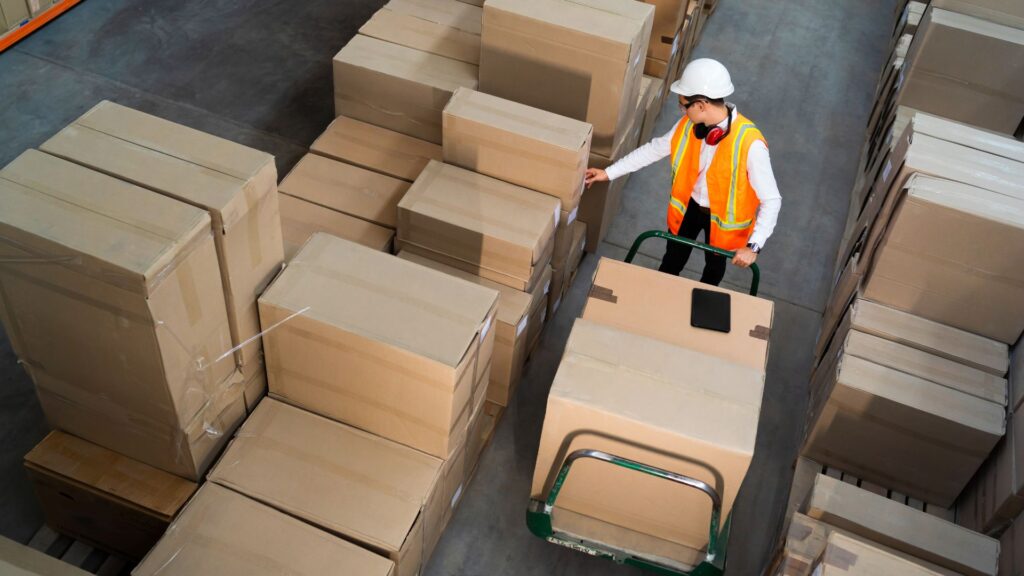
The right equipment transforms physically demanding tasks into manageable operations. Forklifts, pallet jacks, and hand trucks facilitate the movement of bulky items while reducing strain on personnel. Shelving units and storage bins help keep items organized during the cleanout process. Assigning the proper tools to specific tasks prevents bottlenecks and improves workflow speed. Evaluate the warehouse layout to determine which equipment is most suitable for different zones, ensuring accessibility and safety. Efficient utilization of tools also minimizes damage to inventory and infrastructure, preserving value while maximizing productivity. Teams that understand the strategic placement and use of equipment can execute cleanouts with precision and speed, avoiding unnecessary delays. Regular maintenance and inspection of equipment is crucial for operational efficiency. Faulty or poorly maintained tools slow down the process and increase the risk of accidents. Establish checklists to confirm that all machinery is functional and that operators are trained in their use.
Coordinating with Professional Junk Removal Services
Engaging professional junk removal services simplifies complex warehouse cleanouts. These teams bring expertise, equipment, and manpower to handle large volumes of materials efficiently. They can sort, haul, and dispose of items responsibly, saving time and reducing the burden on in-house staff. Coordination ensures that pickups occur at optimal times, preventing disruption to warehouse operations. Discussing project scope, timelines, and specific requirements in advance guarantees that expectations align and that the service can accommodate unique challenges. Professional services often have access to recycling and donation channels, ensuring that disposal is environmentally responsible while maximizing the potential for reuse.
Scheduling and Time Management
Timing is crucial to maintaining efficiency during a warehouse cleanout. Establishing a clear schedule ensures that all team members understand when tasks should begin and end. Divide the project into phases to tackle sections methodically rather than attempting to clean the entire warehouse simultaneously. Consider operational constraints, such as shipping schedules or daily activity levels, to prevent interference with ongoing business processes. Tracking progress through daily check-ins helps identify areas that require extra attention and allows for adjustments to the plan as needed. Effective time management minimizes downtime and ensures that cleanouts are completed within projected timelines. In addition to structured scheduling, prioritizing tasks enhances productivity. Focus on high-traffic or critical storage areas first, clearing pathways and access points that impact operations. Allocate additional resources for more challenging zones to prevent delays. Buffer time should be included to accommodate unexpected complications, such as damaged inventory or unplanned pickups. Using a visual timeline or project management tool helps the team monitor progress and coordinate efforts efficiently. By combining strategic scheduling with task prioritization, warehouse managers can complete cleanouts in a timely, organized, and stress-free manner.
Implementing Waste Reduction Strategies
Waste reduction is an essential component of an efficient warehouse cleanout. Identify items that can be recycled, refurbished, or donated before considering disposal. Implementing a sorting system that distinguishes reusable materials from true waste reduces the volume sent to landfills and can even generate cost savings. Encourage staff to follow environmentally conscious practices, such as separating cardboard, plastics, and metals, and safely disposing of hazardous materials. Reducing waste contributes to sustainability goals while streamlining the removal process, preventing unnecessary clutter, and promoting responsible business practices.
Maintaining Organization Post-Cleanout
A successful cleanout is only as valuable as the organization maintained afterward. Implement storage systems that facilitate easy access and prevent clutter from reaccumulating. Use clearly labeled bins, shelving units, and designated zones for different types of inventory. Establish regular maintenance schedules to monitor storage conditions and address potential issues before they escalate. Encouraging staff to follow consistent organizational practices reinforces the gains achieved during the cleanout and ensures that the warehouse remains functional and efficient over time.
Leveraging Technology for Cleanout Efficiency
Technology enhances the speed and accuracy of warehouse cleanouts. Digital inventory systems, mobile tracking apps, and barcoding tools streamline sorting, cataloging, and relocating items. Using software to map the warehouse and assign tasks in real time allows teams to coordinate more effectively, reducing duplication of effort and bottlenecks. Data-driven insights from technology applications highlight areas for improvement, helping managers make informed decisions about space utilization, storage design, and item disposal. Technology also aids in monitoring progress and maintaining records, which are essential for accountability and operational planning.
Conclusion
Warehouse cleanouts require strategic planning, meticulous sorting, safety awareness, and effective use of resources. By combining these approaches with professional junk removal services, careful scheduling, waste reduction strategies, and technology, businesses can transform cluttered storage spaces into organized, functional, and efficient environments. The methods outlined here empower warehouse managers and teams to streamline operations, protect inventory, and maintain a clean and safe workspace for the future. For reliable assistance with large-scale warehouse cleanouts, contact Dirty Deeds Junk Removal Los Angeles located in Los Angeles at +12136012778 for professional support tailored to your business needs.