
In the bustling world of commercial spaces, clutter is more than just an eyesore; it can silently erode efficiency, morale, and even profitability. Every business, from towering office buildings to sprawling warehouses, accumulates junk over time, whether it is outdated equipment, old furniture, or unwanted materials left behind by contractors. Tackling commercial junk is not merely a task of removal; it is a strategic endeavor that involves planning, timing, and the right approach to disposal. Many business owners underestimate the impact of accumulated waste, believing it to be an inevitable byproduct of operations. However, creating a system for managing unwanted items can transform the workspace environment, enhance productivity, and even reflect positively on a company’s brand. The process requires careful consideration of what to keep, what to recycle, and what to discard responsibly. Understanding the best practices for handling commercial junk allows businesses to reclaim valuable space, reduce hazards, and contribute to sustainability efforts. The following tips explore practical, innovative, and actionable strategies to confront the clutter and turn a chaotic workspace into a streamlined, functional, and organized environment.
Understanding the Scope of Commercial Junk
Commercial junk often differs significantly from residential clutter due to its scale and variety. Warehouses, office complexes, and retail spaces accumulate items ranging from obsolete electronics and furniture to packaging materials and construction debris. Understanding the type and volume of junk in your facility is crucial for devising an effective disposal strategy. Without a clear assessment, businesses risk underestimating the time, labor, and cost involved in removal, which can lead to inefficiencies and frustration. Evaluating the scope also allows for prioritization, ensuring that hazardous materials are addressed first and that reusable items are separated for donation or recycling. A comprehensive inventory of unwanted materials provides a roadmap that guides each subsequent step, from sorting to scheduling professional hauling services. Recognizing the scope is also important for regulatory compliance, as improper disposal of certain items, such as electronics or chemicals, can result in fines or environmental violations. Approaching commercial junk with a thorough understanding of its scale transforms what could feel like an overwhelming task into a structured process that can be managed systematically, making the eventual removal more efficient, cost-effective, and environmentally responsible.
Prioritizing Safety and Compliance
Safety should always be the cornerstone of any commercial junk removal effort. Improperly handling bulky furniture, broken equipment, or hazardous waste can lead to workplace injuries or legal complications. Businesses must ensure that staff are equipped with the right tools, protective gear, and training to handle various materials safely. Recognizing the potential risks associated with different types of junk is essential, especially when dealing with sharp objects, heavy machinery, or chemicals. Compliance with local regulations is equally critical, as commercial entities are often subject to strict disposal laws. Improper disposal of certain items can result in fines or damage to a company’s reputation. By prioritizing safety and regulatory compliance, businesses protect their workforce, mitigate potential liabilities, and create a more structured approach to junk removal. These measures also reflect a company’s commitment to ethical practices and social responsibility, which can have long-term benefits beyond the immediate cleanup effort. A comprehensive understanding of safety and compliance requirements transforms the cleanup from a simple chore into a strategic initiative.
Sorting and Categorizing Junk
One of the most effective strategies for managing commercial junk is sorting and categorizing materials. Randomly tossing items into dumpsters or storage areas can create chaos and make it difficult to identify what can be salvaged or recycled. A methodical approach involves separating materials into categories such as furniture, electronics, office supplies, construction debris, and hazardous waste. This step not only streamlines the removal process but also opens opportunities for repurposing, donation, or resale. Categorization ensures that items are handled in the appropriate manner and disposed of according to regulations. It also allows businesses to track patterns of accumulation, which can inform future procurement and storage decisions. Companies that implement a structured sorting system often find that they can significantly reduce disposal costs, minimize environmental impact, and reclaim valuable space that was previously hidden under clutter. Sorting also helps identify materials that may have residual value. Items in good condition can be donated to local charities, sold to other businesses, or recycled for parts, contributing to sustainability initiatives and corporate social responsibility.
Engaging Professional Junk Removal Services
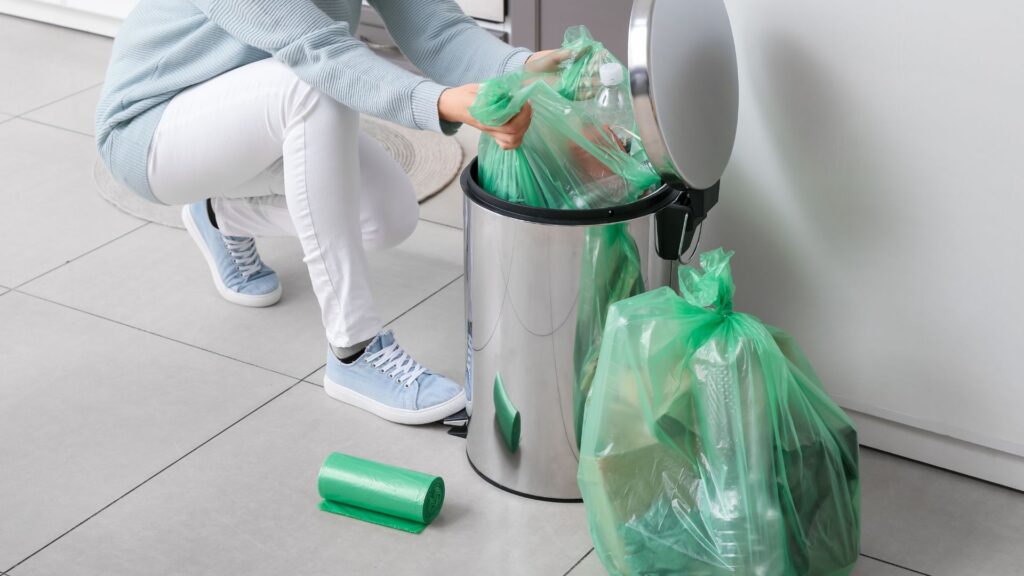
While some businesses may attempt to handle junk removal in-house, professional services offer unmatched efficiency and expertise. Companies specializing in commercial junk removal bring the equipment, manpower, and experience needed to tackle large-scale cleanouts safely and quickly. Hiring experts can save businesses considerable time and labor, reduce risk of injury, and ensure compliance with local disposal regulations. Professionals are also equipped to handle unusual or challenging items, from bulky machinery to hazardous materials, providing peace of mind that the job will be completed correctly. Engaging professional services often proves cost-effective in the long run, as it prevents damage to property and reduces the likelihood of fines or costly mistakes. Partnering with specialists allows businesses to focus on core operations rather than spending valuable resources on logistics and labor-intensive cleanup tasks.
Scheduling Regular Cleanouts
Regular maintenance and scheduled cleanouts are essential for preventing the accumulation of commercial junk. Establishing a routine schedule allows businesses to address clutter before it becomes overwhelming or hazardous. Frequent cleanouts keep workspaces organized, maintain safety standards, and foster a productive environment. Scheduling is particularly important for high-traffic areas, storage rooms, and spaces prone to rapid accumulation of materials. A proactive approach reduces the likelihood of last-minute emergencies, expensive removal projects, or workplace disruptions. Companies that implement regular cleanouts often experience improved morale, operational efficiency, and enhanced overall aesthetics of the workspace. A consistent schedule also allows businesses to monitor trends in waste generation and identify opportunities to reduce or repurpose materials. By reviewing the types of items being discarded, managers can adjust procurement practices, storage solutions, and operational processes to minimize future accumulation.
Optimizing Storage Solutions
Efficient storage is a key factor in reducing commercial junk. Businesses that lack proper storage systems often find clutter accumulating in hallways, unused corners, and work areas. Implementing strategic storage solutions helps keep valuable items organized, easily accessible, and protected from damage. Options may include shelving units, modular storage systems, or designated bins for specific materials. Optimized storage not only improves space utilization but also facilitates inventory management and reduces time wasted searching for needed items. A thoughtful storage strategy can prevent unnecessary disposal of items that still hold value, contributing to both cost savings and sustainability efforts. Effective storage systems also create a visual and functional order within the workspace. When employees know where items belong and how to access them, daily operations become more streamlined, and the risk of accidents or misplaced materials diminishes.
Leveraging Recycling and Donation Opportunities
Commercial junk often contains items that can be repurposed, donated, or recycled, reducing environmental impact and benefiting the community. Businesses should explore local recycling centers, donation programs, and specialized services that accept electronics, office furniture, or building materials. Properly sorting and directing items to the right channels ensures that materials are reused responsibly rather than ending up in landfills. Engaging in recycling and donation programs not only supports sustainability but also enhances a company’s reputation as an environmentally conscious organization. These efforts contribute to broader corporate social responsibility initiatives and create opportunities for positive community engagement. Additionally, recycling and donation practices can result in financial incentives. Some charitable organizations offer tax deductions for donated items, while recycling facilities may provide compensation for scrap materials.
Creating a Long-Term Waste Management Strategy
Dealing with commercial junk is not a one-time effort but part of an ongoing commitment to workplace efficiency and organization. Establishing a long-term waste management strategy ensures that businesses address clutter systematically and prevent future accumulation. This strategy includes assessing current practices, implementing preventive measures, scheduling regular cleanouts, and engaging professional services when necessary. A thoughtful approach allows companies to stay ahead of potential hazards, maintain a clean and functional environment, and optimize resources. Integrating waste management into daily operations fosters a proactive culture and ensures that removal efforts are sustainable and manageable over time.A long-term strategy also emphasizes education and employee involvement. Staff should be trained on proper disposal, recycling, and organizational practices to maintain consistency and accountability.
Embracing Technology and Automation
Modern technology can play a pivotal role in commercial junk management. Inventory tracking software, scheduling applications, and digital reminders can streamline cleanup processes and optimize coordination with professional removal services. Automation reduces human error, increases efficiency, and allows businesses to monitor junk accumulation trends more accurately. Digital tools also facilitate reporting, regulatory compliance, and resource planning, making it easier to manage large-scale cleanouts without disrupting daily operations. Integrating technology into waste management practices helps businesses take a proactive, organized approach to commercial junk removal. Technology can also enhance communication and accountability among staff. Digital platforms allow employees to report items for disposal, schedule pickups, and access guidelines for recycling or donation. This transparency ensures that everyone is aligned on responsibilities and protocols, reducing misunderstandings and inefficiencies.
Conclusion
Effectively managing commercial junk requires a combination of planning, strategy, and professional support. Businesses that adopt systematic approaches to sorting, safety, recycling, and long-term waste management enjoy more organized, productive, and sustainable workspaces. Partnering with expert services ensures efficient, compliant, and environmentally responsible removal, saving time, reducing risk, and maximizing resources. For businesses in Los Angeles seeking a reliable solution to commercial junk challenges, Dirty Deeds Junk Removal Los Angeles provides professional services designed to handle even the most complex cleanouts. With a commitment to efficiency and environmental responsibility, they offer expert assistance for companies ready to reclaim their workspace. Contact Dirty Deeds Junk Removal Los Angeles at +12136012778 to schedule a consultation and experience a clutter-free, organized business environment.