
Getting rid of bulky, outdated, or plain inconvenient furniture inside a commercial space isn’t something most business owners eagerly pencil into their weekly schedule. Still, the moment extra desks pile up in hallways or lopsided chairs hover like ghosts of past renovations, the need for a real solution becomes impossible to ignore. The process can feel messy at first glance, especially when every option seems to tug you in a different direction. Yet, once you step back and see how furniture removal opens room for better workflow, cleaner aesthetics, and fresh opportunities, the whole task begins to feel more like a strategic upgrade than a chore. What often starts as a hassle turns into a quiet turning point for your workspace. And when handled smartly, removing old furnishings clears the way for smoother operations and a cleaner, more functional business environment that reflects the energy you want customers and employees to feel the moment they walk in.
Sustainable Ways to Clear Out Old Office Furniture
Moving out unwanted office furniture might look like a simple toss-and-go situation, but it rarely plays out that way once you’re staring down old workstations, tired conference tables, and storage cabinets that refuse to budge. Instead of letting the mess dictate your next move, exploring sustainable options opens a different lane. Donating items that still have some life left in them not only keeps them away from an overcrowded landfill but also helps local organizations stretch their resources. Repurposing certain pieces inside the building can surprise you, too, especially when creative eyes see usefulness where others only see clutter. Even recycling materials becomes more practical than many expect, particularly when you understand how metal, wood, and composite components can be broken down and redirected to new uses. Choosing greener removal routes adds an interesting shift to the entire process because it transforms disposal into something more intentional. When businesses pause for a moment and consider how every piece fits into a larger environmental picture, the act of clearing out becomes more thoughtful. Furniture becomes more than just another problem; it becomes part of a cycle that can be steered toward better outcomes. And while sustainability sometimes feels like a buzzword tossed around too often, there’s something grounding about knowing your workspace upgrade doesn’t come at the expense of unnecessary waste. It’s a small but meaningful way to let your operations reflect the values you want your brand to carry forward.
Creative Furniture Disposal Options for Commercial Spaces
Commercial furniture rarely disappears with a single phone call, especially when older pieces have overstayed their welcome through remodels and shifting office priorities. Some businesses discover a quirky second life for chairs, shelves, and even cubicle panels by transforming them into decorative or functional elements. A bulky cabinet can morph into a supply closet with fresh paint, while unused tables sometimes find purpose in break rooms or storage areas. For companies looking to get imaginative, certain pieces can be dismantled for parts, creating unexpected uses that stretch the value of every item. Taking an inventive route often shakes up the usual monotony of workspace changes and brings a bit of creative spark to the environment. But not every piece of furniture is destined for reinvention, so additional disposal options can round out the process. Some organizations connect with local artists who gladly take odd pieces for projects. Others reach out to schools or community centers that welcome gently used furnishings with open arms. When items reach a point where creative reuse is no longer realistic, professional removal services step in as a practical solution. They streamline the entire effort, ensuring each piece goes to the right place without dragging your team into a day-long cleanup mission. Blending creativity with convenience ultimately makes disposal feel less like a chore and more like a series of intentional choices.
Fast and Efficient Furniture Removal Strategies for Busy Companies
Companies with tight schedules and nonstop workflows rarely want to pause operations just to figure out what to do with outdated desks and old reception furniture. This is why speed becomes a key part of the removal plan. The trick lies in mapping out what needs to leave, where each item is currently placed, and how much time the business can realistically spare. Quickly tagging furniture ahead of time eliminates confusion later, and assigning a designated staging area keeps the pathway clear for workers who come in to haul everything away. When every detail is lined up before the process begins, the actual removal happens with a kind of efficiency that feels almost surgical. Once the fast-moving plan is in motion, the rest falls neatly into place. Clearing out bulky pieces or awkward items becomes far easier when the group handling the task understands exactly where to start and where to end. Professional teams can complete the job without slowing down your staff or disrupting the usual rhythm of the workplace. This approach doesn’t just save time; it preserves the energy of your team so they can stay focused on serving customers, hitting deadlines, or managing a busy schedule.
Smart Ways to Prepare Your Commercial Space for Furniture Removal
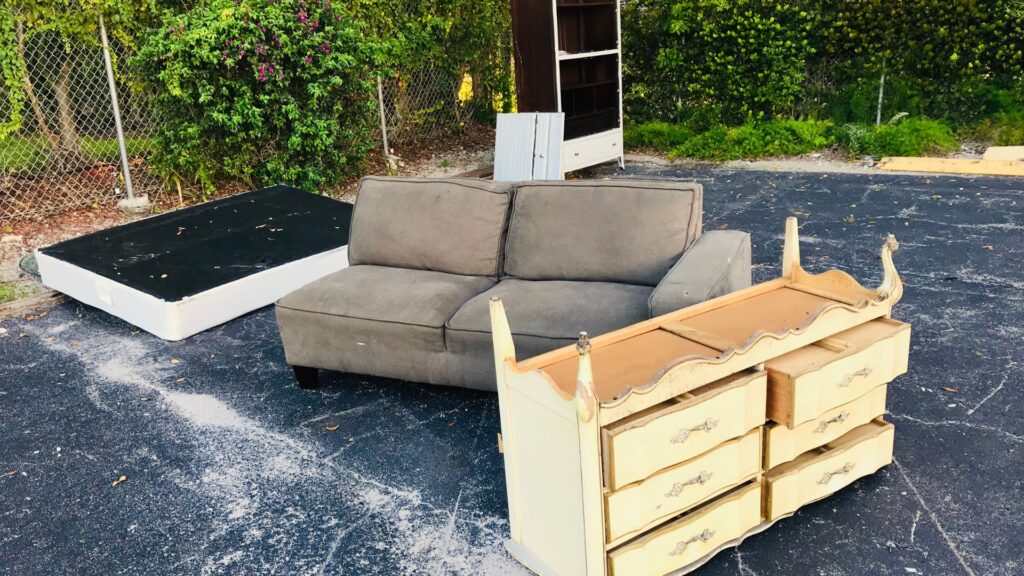
Preparing a commercial space for furniture removal often starts with something as simple as taking stock of everything spread throughout the rooms. What stays? What is going on? What needs extra care before anyone starts lifting and shifting? Businesses that invest even a little time into organizing the area tend to experience a smoother and far less chaotic removal process. Clearing paths through hallways keeps workers safe, and unplugging electronics ahead of time prevents last-minute surprises. The more prepared the workspace is, the faster and cleaner the entire process unfolds. Beyond physical preparation, there’s another level of readiness that comes from understanding how the removal will play out. Knowing when the team will arrive, estimating how long they’ll need, and anticipating any temporary disruptions helps everyone stay in sync. Good planning also prevents accidental damage to flooring, walls, or equipment, because protective materials or coverings can be positioned in advance. By treating preparation as part of the removal strategy instead of an afterthought, businesses create a foundation for an efficient transition that respects both the workspace and the people moving through it.
Cost Effective Options for Removing Commercial Furniture
Finding cost friendly ways to handle commercial furniture removal can make the entire process feel less daunting. Businesses often assume they’ll need a large budget, but many methods soften the financial load without compromising on results. Selling lightly used pieces online or to local buyers helps reclaim some of the investment while clearing space quickly. Donation centers may pick up items at no charge, depending on their condition and quantity. Even repurposing pieces internally keeps disposal costs low for companies trying to stretch their resources. Still, there are limits to what DIY solutions can achieve, especially when dealing with oversized or damaged furniture. Once labor, transportation, and time are factored in, hiring a removal crew can actually be the more economical choice.
Practical Steps for Decluttering Large Commercial Offices
Decluttering a sprawling commercial office usually begins with identifying which items serve a purpose and which ones simply linger out of habit. It’s easy for furniture to blend into the background after years of daily use, but once you intentionally evaluate each piece, you’ll quickly notice which items no longer belong. Sorting everything into categories makes it easier to visualize what your workspace could look like once unnecessary pieces disappear. That clarity becomes the driving force behind a smoother decluttering process, especially when many people depend on the office functioning well. After creating order, the next step is to coordinate removal in a way that won’t disrupt daily routines. Large offices often have staff moving in different directions at all times, so safety and timing become essential. Scheduling removal during quieter hours, creating temporary barriers, and informing employees in advance go a long way toward preventing confusion. Once the clutter is cleared, the entire space often feels lighter and more open, creating a more efficient environment that welcomes productivity.
Modern Solutions for Handling Bulk Furniture in Commercial Buildings
Bulky furniture inside commercial buildings often complicates everything because moving large items through tight hallways and busy entryways demands careful planning. Some pieces require disassembly, others need special handling to prevent damage, and a few simply challenge everyone involved by refusing to cooperate. The key lies in using modern approaches that blend experience with strategic techniques. These include the right lifting tools, protective materials, and a systematic plan that ensures safe handling from start to finish. Modern solutions also make disposal more practical. Furniture that once seemed impossible to move suddenly becomes manageable when handled by teams trained in large scale removals. These professionals determine the best exit routes, manage the hauling process, and understand how to distribute items to recycling centers or proper disposal locations.
Conclusion
What often starts as a messy task filled with heavy lifting and logistical guesswork becomes much more manageable once you connect with a team that understands exactly how to handle bulky, outdated, or worn out pieces. Clearing out these items not only frees up physical room but also gives your workspace a renewed sense of order, allowing your team to move more comfortably and focus on the work that actually matters. There’s something refreshing about watching clutter disappear and seeing the environment shift into something that reflects your business’s current needs instead of its past.Dirty Deeds Junk Removal Los Angeles provides the kind of dependable support that makes this transition smooth from start to finish. Their team knows the ins and outs of commercial cleanouts and brings the tools, timing, and efficiency needed to get everything out safely and quickly. Serving businesses throughout Los Angeles, they make the entire experience easier than most owners expect. Whenever you’re ready to move forward, you can reach them at +12136012778 for prompt, straightforward assistance.