
Scrap metal removal is a critical component of the recycling process, especially in urban centers like Los Angeles, where sustainability is becoming increasingly important. As industries and households generate significant amounts of metal waste, the proper removal and recycling of these materials are essential for reducing environmental harm. Recycling metals not only conserves precious natural resources but also lowers energy consumption and minimizes harmful emissions. For instance, recycling aluminum uses up to 95% less energy than producing it from raw bauxite, highlighting the energy efficiency of metal recycling.
Beyond the environmental benefits, scrap metal removal helps reduce landfill waste and fosters a circular economy where materials are reused rather than discarded. This practice supports global sustainability efforts by reducing the demand for mining and decreasing the strain on natural ecosystems. By focusing on scrap metal recycling, communities contribute to a greener, more sustainable future while also supporting local industries and economies. It’s an essential step in making our world cleaner and more resource-efficient.
The Environmental Imperative
Metals such as steel and aluminum are fundamental to modern infrastructure, from towering skyscrapers to everyday items like bicycles. However, their extraction and production processes come at a significant environmental cost. Mining these materials is resource-intensive, draining natural reserves and introducing pollutants into the air, water, and soil. The energy used in mining, smelting, and refining metals exacerbates the carbon footprint and contributes to environmental degradation. In contrast, recycling scrap metal offers a far more sustainable solution.
By reprocessing metals, we reduce the need for mining, saving energy, and cutting down on harmful emissions. For example, recycling aluminum can save up to 95% of the energy that would otherwise be needed to produce new aluminum from raw bauxite ore. Likewise, recycling steel conserves vital iron ore resources and dramatically reduces greenhouse gas emissions. The long-term environmental benefits of recycling metals are profound—lower energy consumption, reduced pollution, and minimized dependency on non-renewable resources, making it an indispensable component of sustainable resource management.
Economic and Industrial Benefits
Recycling scrap metal offers more than just environmental advantages; it provides significant economic benefits as well. The recycling industry plays a crucial role in boosting local economies, creating jobs, and driving industrial growth. From the collection and sorting of scrap metals to the manufacturing of new products, the recycling process involves many steps that generate employment opportunities. Moreover, businesses that engage in scrap metal recycling can offset disposal costs and even generate revenue by selling the recycled materials to manufacturers.
The broader economic impact is substantial. In the United States, the scrap recycling industry contributes over $105 billion annually, supporting thousands of jobs in sectors like manufacturing, transportation, and logistics. This industry also generates considerable tax revenue, which helps fund essential services like public schools, healthcare, and infrastructure. In this way, scrap metal recycling is not just about waste management—it is a driver of economic vitality and sustainable industrial practices.
The Role of Scrap Metal Removal Services
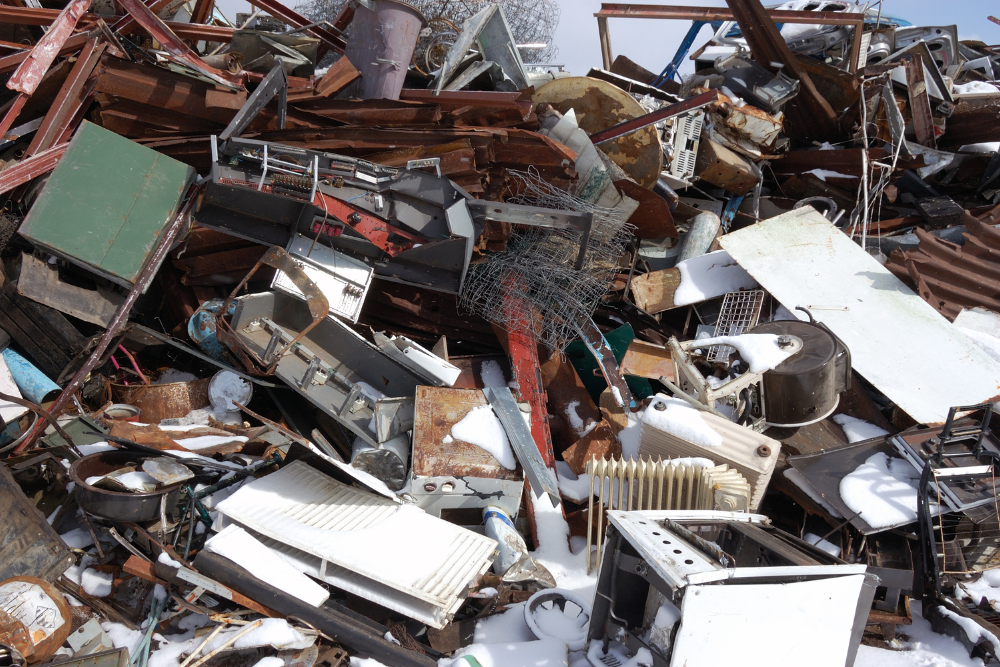
Efficient scrap metal removal is a cornerstone of the recycling process. Professional scrap metal removal services ensure that materials are correctly sorted, collected, and transported to appropriate recycling facilities, where they can be processed and repurposed. Without these services, valuable metals could end up in landfills, wasting resources and hindering the recycling process. These specialized services bring expertise and advanced equipment to handle all kinds of scrap metal, from household items to large-scale industrial equipment.
Moreover, the ability to separate different types of metals—such as ferrous metals like steel and non-ferrous metals like copper and aluminum—further maximizes the efficiency of the recycling process. By ensuring that metals are sorted properly, recycling facilities can extract the maximum value from each material, producing higher-quality recycled metals. Scrap metal removal services are not just about clearing space; they are critical to optimizing the recycling process, ensuring that metals are recycled efficiently, and reducing the overall environmental footprint of metal production.
Community and Global Impact
The importance of scrap metal recycling extends far beyond local communities, with a significant global impact. Recycling metals reduces the demand for raw materials, which in turn lessens the harmful environmental effects of mining and resource extraction. Mining often leads to deforestation, habitat destruction, and pollution, making the extraction of new metals a high-cost operation for the environment. By recycling metals, we conserve natural habitats and reduce the energy required for the extraction process, cutting down on environmental degradation. On a local level, communities benefit from cleaner, more sustainable environments through effective recycling programs.
These programs encourage individuals and businesses to participate in the recycling process, further reducing waste and lowering carbon emissions. Recycling initiatives can also promote public education, helping people understand the importance of sustainability. By contributing to global sustainability goals, communities foster a cleaner, healthier environment. Moreover, the collective effort of recycling can drive policy changes and inspire other regions to adopt similar eco-friendly practices, making the global impact of scrap metal recycling both significant and far-reaching.
The Vital Role of Scrap Metal Recycling in Sustainable Practices
Scrap metal recycling is an essential part of the sustainability movement. It reduces the demand for new resources, which lessens the environmental impact associated with mining and manufacturing. Every scrap piece of metal that is recycled reduces the need for virgin materials, which directly helps in preserving natural resources. Moreover, recycling metals requires far less energy than extracting new metals from raw ore, offering a more energy-efficient alternative. This process is essential in minimizing the carbon footprint that comes with metal production.
By recycling metals like aluminum, copper, and steel, we can divert waste from landfills and reduce the environmental pollution caused by improper disposal. This practice helps in conserving landfill space and, over time, contributes to a healthier planet. As more businesses and communities turn to metal recycling, the global effort to combat climate change gains momentum, showcasing the significant role scrap metal removal plays in protecting our environment.
Economic Growth Through Scrap Metal Removal Services
The scrap metal removal industry contributes significantly to economic growth in multiple sectors. From job creation to cost savings for businesses, the benefits are vast. When scrap metals are removed and recycled, the materials are repurposed for use in manufacturing, reducing the need for costly raw material extraction. This creates opportunities in the recycling sector while also lowering manufacturing costs for industries that rely on these materials.
Beyond cost savings, scrap metal removal services also stimulate local economies by creating jobs in the collection, sorting, and transportation of metals. Recycling companies provide steady employment opportunities and support the economy by generating tax revenue. As scrap metal recycling becomes more widespread, the industry continues to grow, providing economic stability while simultaneously reducing the ecological footprint associated with metal production.
Why Scrap Metal Removal Should Be a Top Priority for Waste Management
In the broader context of waste management, scrap metal removal stands out as a critical priority. Many waste management systems focus on household waste, but scrap metals, especially industrial metals, are often overlooked. Yet, these materials pose significant environmental risks when not managed correctly. By prioritizing scrap metal removal, municipalities and businesses can reduce the amount of metal waste that ends up in landfills, thus alleviating pressure on local waste systems and minimizing the environmental burden.
Scrap metal removal is also crucial for promoting the efficient use of resources. Metals like steel, copper, and aluminum can be recycled indefinitely without degrading their quality. By diverting these materials from landfills and ensuring they are reused, the waste management industry can contribute significantly to both resource conservation and environmental sustainability.
The Global Impact of Scrap Metal Recycling: A Call for Action
Scrap metal recycling is a global effort that carries profound implications for environmental sustainability. As the world’s demand for metals grows, so too does the need for efficient recycling programs. From reducing energy consumption to curbing the need for mining, the environmental benefits of scrap metal recycling are immense. Countries around the world, especially in urban centers, are seeing the tangible benefits of scrap metal removal and its positive effects on local ecosystems and global sustainability goals.
On a global scale, widespread scrap metal recycling can contribute to substantial reductions in carbon emissions. Recycling just one ton of steel saves over 1,000 kilograms of iron ore, 630 kilograms of coal, and 55 kilograms of limestone, significantly lowering the environmental cost of metal production. As more nations and industries adopt recycling programs, the global community takes a significant step toward reducing the environmental impact of industrial growth and fostering a sustainable future.
Conclusion
In conclusion, scrap metal removal plays a vital role in the broader recycling ecosystem, offering profound environmental, economic, and societal benefits. By ensuring that scrap metals are collected, sorted, and processed responsibly, we can significantly reduce the need for raw material extraction, conserve energy, and minimize harmful emissions. The economic benefits are just as significant, with the recycling industry contributing billions to the economy, creating jobs, and supporting local businesses. Furthermore, the role of professional scrap metal removal services in facilitating these processes cannot be overstated. They ensure that valuable metals are processed efficiently, promoting sustainability and resource conservation. Whether on a local or global scale, scrap metal removal and recycling are essential to creating a more sustainable future. If you’re in the Los Angeles area and need professional scrap metal removal services, Dirty Deeds Junk Removal is here to help. They provide reliable, eco-friendly junk hauling services that ensure your unwanted metals are disposed of responsibly. Call or text (213) 601-2778 for more information or to schedule a pickup.