
In a world where technology evolves at breakneck speed, old electronics quickly pile up, leaving many wondering what to do with gadgets that no longer serve a purpose. Phones, laptops, televisions, and other devices contain not only personal data but also materials that can be hazardous if improperly discarded. The problem isn’t just clutter; it’s a combination of environmental risk and wasted resources. With landfills filling faster and electronic waste becoming increasingly toxic, finding safe and efficient ways to dispose of or repurpose old electronics is more important than ever. Whether you’re a casual tech user, a small business, or a household with a growing collection of outdated devices, understanding the options for recycling, donating, or responsibly discarding electronics can make a significant difference. This guide explores practical solutions, the nuances of e-waste management, and the steps to ensure your old electronics are handled in a way that benefits both you and the environment.
Rethink Before You Toss Old Electronics
Before reaching for the trash can, consider whether your old electronics have a second life. Many devices are still functional or can be repaired and repurposed. Phones, tablets, and computers may hold value if sold, traded, or refurbished. Some manufacturers and retailers even offer trade-in programs that give store credit or cash in exchange for your old gadgets. Donating working electronics to schools, community centers, or charitable organizations can extend their life and help those in need. The key is to assess the condition, potential usability, and safety of the device. Data wiping and removing batteries are essential steps to protect personal information and prevent environmental harm. By rethinking the disposal process, you reduce clutter, conserve resources, and contribute to a sustainable approach to technology. Making a small effort upfront can yield a significant impact on your wallet, your community, and the planet, turning what seems like waste into opportunity. Reconsidering how we deal with old electronics also opens up creative possibilities. Some DIY enthusiasts repurpose parts to craft new devices, art, or functional items for everyday life.
Understanding the Risks of Improper Disposal
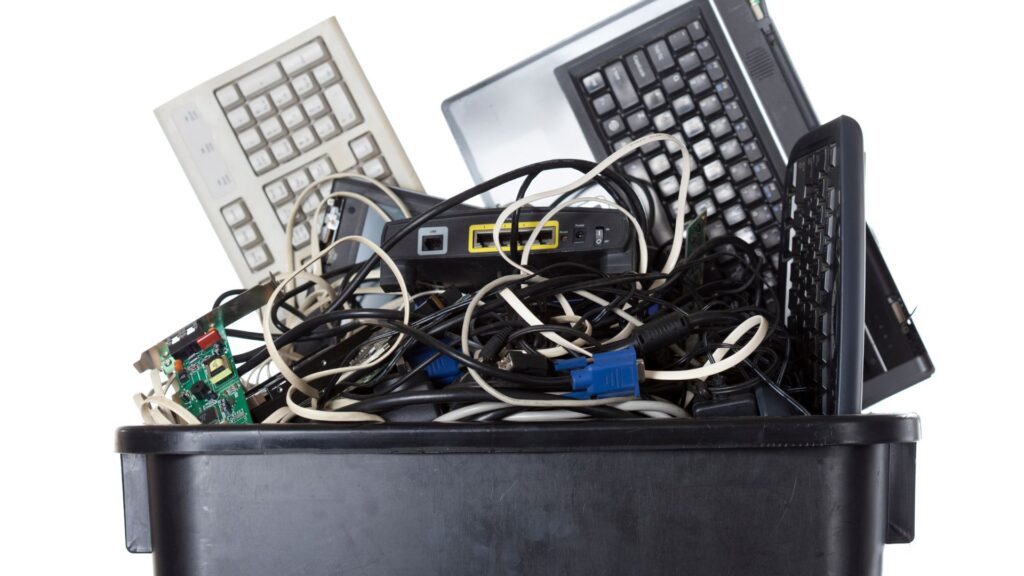
Old electronics aren’t just bulky items—they contain toxic substances that pose serious risks when improperly discarded. Lead, mercury, cadmium, and other hazardous materials can seep into the soil and water, contaminating the environment and affecting human health. Throwing electronics into the trash or burning them releases these toxins into the air, contributing to pollution and potential long-term health hazards. Understanding the dangers associated with improper disposal is essential for making informed choices. It’s not just a matter of clutter management but a responsibility toward the planet and future generations. Learning which components are harmful, how they interact with waste systems, and the consequences of careless disposal provides the foundation for safer and more sustainable solutions. Beyond environmental threats, improper disposal also carries legal implications. Certain jurisdictions have strict regulations on electronic waste management, and failing to comply may result in fines or penalties. Awareness of local e-waste laws and guidelines ensures compliance and avoids unnecessary legal complications.
How to Safely Erase Data From Devices
Before parting with any device, erasing personal data is critical to protect privacy and prevent identity theft. Many devices store sensitive information that can be recovered even after a factory reset if not properly wiped. Smartphones, laptops, external hard drives, and tablets require different approaches to ensure data is completely removed. Using specialized software or following manufacturer guidelines for secure deletion guarantees that your personal files, financial records, and login credentials are irretrievable. Removing memory cards and SIM cards further protects your privacy. This step is as vital as disposing of the device safely, as it prevents unintended access to your digital life while keeping the device ready for donation, resale, or recycling. Data erasure also involves understanding the storage medium of your device.
Recycling Programs and Options
Recycling old electronics helps recover valuable materials and reduces environmental impact. Metals like gold, copper, and aluminum can be reclaimed, while plastics and glass are repurposed, minimizing the need for new raw materials. Many municipalities, retailers, and manufacturers provide electronic recycling programs, accepting items ranging from cell phones to large appliances. Some programs offer incentives, such as discounts or trade-in credits, encouraging participation. Recycling not only prevents hazardous substances from entering landfills but also contributes to a circular economy, where materials are reused rather than wasted. Choosing certified recycling centers ensures that devices are processed responsibly and efficiently, avoiding the pitfalls of unregulated disposal methods. Effective recycling begins with sorting and understanding which devices are accepted.
Donating Functional Electronics
Functional electronics that are no longer needed often have a second life through donation. Schools, nonprofits, and community programs frequently welcome working devices, helping bridge the digital divide and providing access to technology for those who might not afford it. Donating items like computers, tablets, and smartphones extends their usefulness, keeps them out of landfills, and benefits people and organizations in meaningful ways. Ensuring that devices are in good working order and free from personal data makes donation both ethical and practical. Simple preparation steps, such as factory resetting and testing functionality, enhance the impact of the donation and streamline the process for recipients. Beyond traditional charitable channels, creative approaches can expand the value of donation. Local repair workshops or makerspaces often accept devices for parts or skill-building projects, allowing electronics to be repurposed in innovative ways.
Selling and Trade-In Opportunities
Many electronics retain monetary value even after being replaced. Selling or trading in devices can offset the cost of new purchases while keeping older items in circulation. Online marketplaces, trade-in programs, and local buyback services provide convenient avenues to convert old electronics into cash or store credit. Accurate assessments of condition, age, and functionality maximize potential returns. Cleaning, repairing minor issues, and preparing devices for resale improves appeal and ensures a smooth transaction. By considering resale, individuals and businesses alike capitalize on resources that might otherwise go to waste, turning old electronics into tangible benefits. Trade-in opportunities offered by manufacturers and retailers simplify the process further.
Professional Junk Removal Services
For those overwhelmed by the volume or complexity of old electronics, professional junk removal services offer practical solutions. Companies specialize in safely collecting, transporting, and recycling electronics, ensuring compliance with environmental regulations. Services often include pickup, sorting, and disposal, streamlining the process and minimizing the risk of data breaches or improper handling. Outsourcing e-waste management simplifies logistics for individuals and businesses alike, transforming what could be a daunting task into an organized, efficient process. Professional expertise guarantees responsible disposal while reducing the burden on landfills and communities. Many services go beyond basic removal, offering secure data destruction, environmentally certified recycling, and responsible reuse of components. Partnering with a reputable company ensures that devices are processed ethically, adhering to legal and environmental standards.
Creative Repurposing Ideas
Old electronics can inspire innovative repurposing projects, turning outdated devices into functional or decorative items. Broken laptops can become digital picture frames, keyboards can be converted into planters, and circuit boards can be used in artistic creations. Repurposing encourages creativity while extending the life of electronic materials, keeping them out of landfills. Even partially damaged devices often contain components that can be salvaged for DIY projects, educational purposes, or hobbyist electronics. By exploring creative reuse, individuals discover new possibilities for items once considered obsolete, blending sustainability with ingenuity. Community workshops and maker spaces often provide guidance for repurposing electronics, offering tools and expertise for inventive transformations.
Environmental Benefits of Responsible Electronics Disposal
Proper disposal of electronics has a direct, measurable impact on the environment. Recovering metals, plastics, and other materials reduces the need for new extraction, conserving energy and natural resources. Preventing hazardous substances from entering landfills protects soil, water, and air quality, reducing pollution and health risks. Responsible disposal supports circular economy principles, where materials are continuously reused and recycled rather than discarded. This proactive approach not only mitigates ecological damage but also fosters a sense of accountability, encouraging sustainable practices in households and businesses alike. Communities benefit as well when electronics are responsibly managed.
Choosing the Right Disposal Method
Selecting the right method for electronics disposal requires evaluating the device’s condition, potential value, and environmental impact. Functional devices may be best sold, donated, or repurposed, while non-functional or outdated items require certified recycling or professional removal. Assessing local regulations, service availability, and personal priorities ensures that electronics are handled responsibly. Thoughtful decision-making prevents hazardous materials from entering the environment, protects personal data, and maximizes the utility of devices, balancing convenience, safety, and sustainability in a single approach. Prioritizing environmentally responsible options reflects an awareness of both the immediate and long-term consequences of disposal choices. By exploring trade-ins, donations, recycling, and professional services, individuals and businesses can implement comprehensive strategies that reduce waste and recover resources.
Conclusion
Navigating the world of old electronics requires thoughtful planning, awareness of environmental risks, and consideration of creative or practical alternatives. By exploring options such as donation, resale, trade-in, recycling, repurposing, or professional junk removal, individuals and businesses can manage their devices safely and efficiently. Each method reduces waste, recovers resources, and protects personal data while promoting environmental stewardship. Taking deliberate steps to handle electronics responsibly ensures both immediate convenience and long-term benefits for communities and the planet. Dirty Deeds Junk Removal Los Angeles offers expert services in safe electronics disposal and recycling, providing professional handling that safeguards the environment and your data. Located in Los Angeles, they combine convenience, reliability, and eco-conscious solutions to help households and businesses manage old electronics effectively. For professional assistance, contact Dirty Deeds Junk Removal Los Angeles at +12136012778 and take the first step toward responsible electronics management.