
Disposing of a mattress may seem like a straightforward task, but the reality is often more complicated than expected. Mattresses are bulky, heavy, and composed of materials that do not easily decompose, which makes careless disposal harmful to the environment. From foam and springs to synthetic fabrics and adhesives, each component contributes to landfill congestion if not handled thoughtfully. Taking an eco-friendly approach to mattress disposal not only helps reduce waste but also encourages recycling, reuse, and responsible material management. By considering innovative alternatives to tossing a mattress into the garbage, you can make a meaningful impact on both local ecosystems and the broader environmental footprint. With careful planning, even the most cumbersome mattress can be redirected toward sustainable pathways, whether through donation, recycling programs, or specialized disposal services. Understanding your options and taking deliberate steps ensures that your old mattress does not become an avoidable burden on the planet.
Choosing the Right Recycling Program for Your Mattress
Locating an appropriate recycling program is the first step in responsible mattress disposal. Various recycling centers specialize in handling large, cumbersome items and have systems in place to separate foam, metal springs, wood, and textiles for reuse or safe processing. Understanding the specifics of what each center accepts can save you from unnecessary trips or unexpected fees. Some programs focus solely on certain types of mattresses, while others operate with broader capacities to handle multiple materials simultaneously. By researching local recycling options, you can identify which facility aligns with your mattress type and your sustainability goals. Timing, accessibility, and cost should also factor into your decision, ensuring that the process remains manageable without creating additional environmental strain. Choosing a program that emphasizes responsible recycling practices ensures that materials are diverted from landfills and re-enter supply chains in a usable form. This approach not only supports environmental conservation but can also encourage innovation in material recovery. Some facilities partner with manufacturers or charities to donate repurposed materials, creating a loop that benefits both the planet and local communities. By selecting a program that aligns with these principles, you are maximizing the positive impact of your eco-conscious disposal efforts.
Donating Usable Mattresses to Charitable Organizations
If your mattress remains in good condition, donation offers a socially responsible route that extends its lifecycle. Charitable organizations often accept gently used mattresses for families or individuals in need, helping reduce waste while supporting community well-being. Donating requires that the mattress meets health and safety standards, which usually means free from stains, mold, or structural damage. Establishing contact with local charities in advance ensures smooth pickup arrangements or delivery options. By choosing donation, you redirect valuable resources to households that might not afford new mattresses, simultaneously reducing landfill contributions. This approach aligns with ethical responsibility while encouraging community engagement, allowing an object that might otherwise be discarded to have a second purpose. Some charities partner with local recycling centers to repurpose mattresses they cannot use, further extending the material’s utility. The dual benefit of social impact and environmental stewardship positions mattress donation as a compelling alternative to conventional disposal methods.
Scheduling Professional Junk Removal Services
Professional junk removal services provide a convenient and environmentally conscious solution for mattress disposal. These companies have the expertise, equipment, and logistics to safely transport and process bulky items, ensuring that they are disposed of or recycled according to local regulations. Choosing a reputable service reduces physical strain, minimizes the risk of property damage, and ensures compliance with waste management standards. Some services operate with strong sustainability practices, diverting mattresses from landfills to certified recycling centers or donation programs. Scheduling a pickup typically involves a simple call or online request, with the service handling loading, transportation, and final processing. Engaging with professionals streamlines the disposal process while offering peace of mind that your old mattress is managed responsibly. The involvement of trained personnel allows for more efficient dismantling and separation of components, increasing recovery rates and supporting circular economy initiatives.
Disassembling Your Mattress for Easier Transport
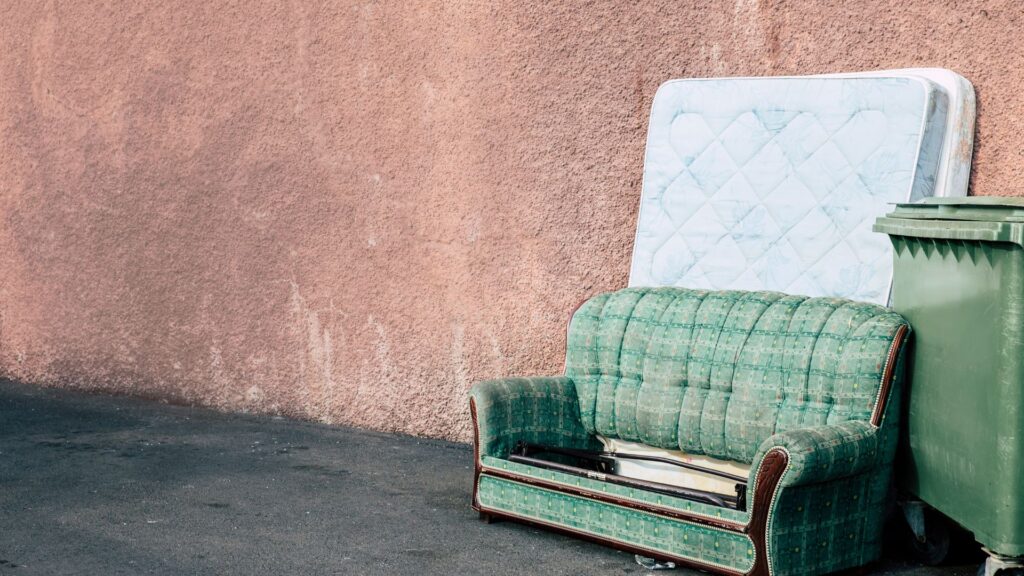
Breaking down a mattress into smaller components simplifies handling, increases transport options, and supports recycling efficiency. Disassembly allows foam, springs, wood, and textiles to be processed individually, improving recovery rates and facilitating compliance with recycling center requirements. Tools such as screwdrivers, utility knives, and pliers enable safe dismantling, though caution is necessary to prevent injury or damage to the materials. Removing the frame, separating the inner springs, and slicing foam into manageable pieces can transform a cumbersome item into recyclable units that fit into standard collection bins or recycling trucks. Proper disassembly also helps reduce vehicle damage or personal strain when transporting the mattress to donation centers, recycling facilities, or professional junk removal pickups.
Understanding Local Regulations and Guidelines
Local waste management rules play a significant role in mattress disposal, dictating how and where items can be discarded or recycled. Regulations vary by city or county, and failure to comply may result in fines, delays, or improper handling. Many municipalities provide curbside pickup for bulky items, but limitations on size, frequency, or material type may apply. Checking municipal websites or contacting waste management departments can clarify acceptable disposal methods and highlight eco-friendly alternatives. Adherence to guidelines ensures that mattresses are handled legally and responsibly, preventing illegal dumping and environmental harm. Understanding regulatory frameworks also informs decisions about recycling, donation, or professional junk removal, aligning your actions with local sustainability initiatives.
Repurposing Mattresses for Creative Uses
Old mattresses can often find new life in unexpected ways, transforming what might be discarded into functional or decorative solutions. Foam can be cut into cushions, pet beds, or padding for outdoor furniture, while textiles can be reimagined as rugs, insulation, or protective covers. Springs may inspire art projects, garden trellises, or DIY storage solutions, depending on creativity and skill. Repurposing extends the lifespan of materials, diverting them from landfills while adding practical value to homes, community spaces, or charitable projects. Creative reuse not only supports sustainability but also encourages ingenuity and resourcefulness, turning a disposal challenge into an opportunity for innovation. Beyond physical reuse, repurposing fosters awareness of material limitations, highlighting how everyday items can serve multiple purposes before complete recycling or disposal becomes necessary.
Coordinating Bulk Pickup with Waste Management Services
For those managing multiple items or overseeing larger disposal projects, coordinating bulk pickups streamlines the process while enhancing sustainability. Municipal or private waste services often provide options for scheduled large-item collection, ensuring that mattresses and similar bulky objects are handled efficiently. Bulk pickups reduce the need for multiple trips, lower transportation emissions, and increase the likelihood that items reach certified recycling centers. Coordination may involve arranging a pickup window, confirming weight or size limitations, and preparing items according to guidelines. This structured approach ensures compliance with regulations while minimizing physical strain and logistical challenges.
Selecting Eco-Friendly Mattress Brands for Future Purchases
Choosing mattresses from brands with sustainability initiatives reduces future disposal challenges and environmental impact. Many manufacturers now prioritize recyclable materials, organic fabrics, or modular designs that facilitate disassembly and recycling at the end of a mattress’s life. Investing in eco-friendly products minimizes the volume of non-biodegradable waste entering landfills and simplifies eventual recycling or repurposing. Some brands even offer take-back programs, where the company collects and processes used mattresses responsibly. Selecting mattresses with environmental considerations in mind ensures a more circular lifecycle, reducing ecological strain and aligning personal consumption with broader sustainability goals. Awareness of material composition, durability, and recyclability informs purchasing decisions, making eco-conscious mattress selection a proactive strategy for waste prevention.
Educating Household Members About Responsible Disposal
Involving family or household members in mattress disposal initiatives fosters shared responsibility and sustainable habits. Understanding the environmental implications of improper disposal and the benefits of recycling, donation, or repurposing encourages participation and accountability. Education can take the form of practical demonstrations, discussions about local recycling programs, or collaborative planning for pickups and donations. By engaging household members, disposal becomes a coordinated effort rather than a solitary task, increasing efficiency and awareness.
Leveraging Online Platforms for Recycling and Donation
Online platforms and marketplaces offer convenient channels for mattress disposal, connecting individuals with recycling services, donation programs, or potential buyers. Digital resources streamline communication, scheduling, and logistical coordination, reducing the time and effort required for traditional disposal methods. Many platforms allow users to post mattresses for free pickup by charitable organizations or to find local recycling services that adhere to eco-friendly practices. By leveraging these tools, you maximize the likelihood that your mattress will be repurposed, recycled, or donated responsibly rather than ending up in a landfill. Online platforms also provide educational content, guidelines, and community reviews, empowering users to make informed disposal decisions.
Conclusion
Eco-friendly mattress disposal is a multi-faceted endeavor, combining recycling, donation, repurposing, and professional services to ensure that materials are managed responsibly. Each step, from researching local regulations to disassembling components or leveraging digital platforms, contributes to reducing landfill waste and supporting sustainable resource use. Thoughtful disposal practices extend the lifespan of materials, promote community well-being, and reinforce environmental stewardship, transforming a routine chore into a meaningful contribution to the planet. By approaching mattress disposal with intention and care, households can align daily habits with long-term ecological goals, creating positive ripple effects for both local and global environments. The choices made in disposing of old mattresses demonstrate that even large, cumbersome items can be redirected toward productive, socially responsible, and environmentally conscious outcomes. For professional assistance or tailored guidance in Los Angeles, contact Dirty Deeds Junk Removal Los Angeles at +12136012778. Their services provide safe, efficient, and eco-friendly mattress disposal solutions that combine convenience with sustainability, ensuring each mattress finds its responsible endpoint without compromising environmental integrity.