
Getting rid of an old mattress is more than just freeing up space; it’s an opportunity to make a positive impact on the environment. Traditional mattress disposal often means sending bulky items to landfills, where they can take decades or even centuries to decompose, releasing chemicals and contributing to environmental strain. Eco-friendly mattress removal offers a responsible alternative, allowing homeowners to recycle, repurpose, or donate mattresses in ways that minimize waste. From separating metal springs, foam, and textiles for reuse to donating gently used mattresses to charities, there are numerous ways to ensure a mattress has a second life. Professional junk removal services can simplify the process, handling logistics while making certain materials are processed sustainably. By choosing environmentally conscious disposal methods, individuals not only clear space in their homes but also contribute to resource conservation, waste reduction, and a healthier planet, turning a routine household task into an act of sustainability
Understanding the Importance of Eco-Friendly Mattress Disposal
Discarding an old mattress is more than just freeing up space; it is an opportunity to make an environmentally conscious choice that can ripple beyond your home. Traditional disposal methods often lead to landfills overflowing with bulky items that take centuries to decompose, releasing harmful chemicals into soil and groundwater. Opting for eco-friendly alternatives means considering materials, reuse potential, and recycling possibilities. By understanding the lifecycle of a mattress, you can make informed decisions that reduce your ecological footprint. Many components, from steel springs to foam padding, can be separated and processed, transforming what would be waste into valuable resources. Mattress recycling programs, donation options, and specialized pickup services are designed to ensure each element is handled responsibly, preventing unnecessary environmental strain. Choosing these sustainable methods promotes a culture of reuse and awareness, encouraging communities to view large household items as recoverable assets rather than disposable commodities. A mindful approach to mattress disposal demonstrates respect for natural resources and sets a precedent for other areas of household management, making eco-conscious living accessible in everyday routines. The decision to prioritize green disposal extends beyond immediate convenience, influencing the broader impact your household has on the environment over time.
Creative Ways to Repurpose Your Old Mattress
Finding inventive ways to repurpose an old mattress can transform a potential disposal headache into a creative opportunity. Rather than treating the mattress as mere waste, consider its individual components and the possibilities for second-life applications. Foam can be transformed into cushions, pet beds, or craft material, while wooden bed frames can be reimagined as shelving units, planters, or garden benches. The springs and metal frames can be incorporated into artistic projects or repurposed in DIY furniture constructions, blending functionality with aesthetic appeal. By exploring creative avenues, a mattress that has outlived its original purpose becomes a canvas for ingenuity, allowing homeowners to experiment with sustainable solutions. This approach not only keeps bulky items out of landfills but also encourages resourcefulness and problem-solving skills. Repurposing encourages a shift in mindset, framing household items not as disposable commodities but as potential tools for innovation, community projects, or even local business initiatives that value reclaimed materials and sustainable practices.
Choosing the Right Recycling Program
Selecting the proper recycling program is essential to ensuring your old mattress is processed responsibly and sustainably. Not all programs are created equal, and the effectiveness of recycling depends heavily on the facility’s ability to handle diverse materials. Some centers specialize in foam recovery, while others focus on metal or fabric reclamation, making it crucial to research options in your area. Municipal recycling initiatives often provide scheduled pickup services or drop-off points, simplifying logistics for homeowners. Private junk removal services can also facilitate mattress recycling, offering convenience and professional handling that maximizes material recovery. Knowing the specifics of each program helps you avoid common pitfalls such as contamination, improper disposal, or materials being sent to landfills despite claims of recycling. Investigating certifications, environmental compliance, and partnerships with local manufacturers ensures your mattress contributes to a circular economy rather than ending as waste. By prioritizing well-structured programs, you play an active role in advancing environmental responsibility and fostering a culture that values material recovery.
Environmental Benefits of Professional Mattress Removal
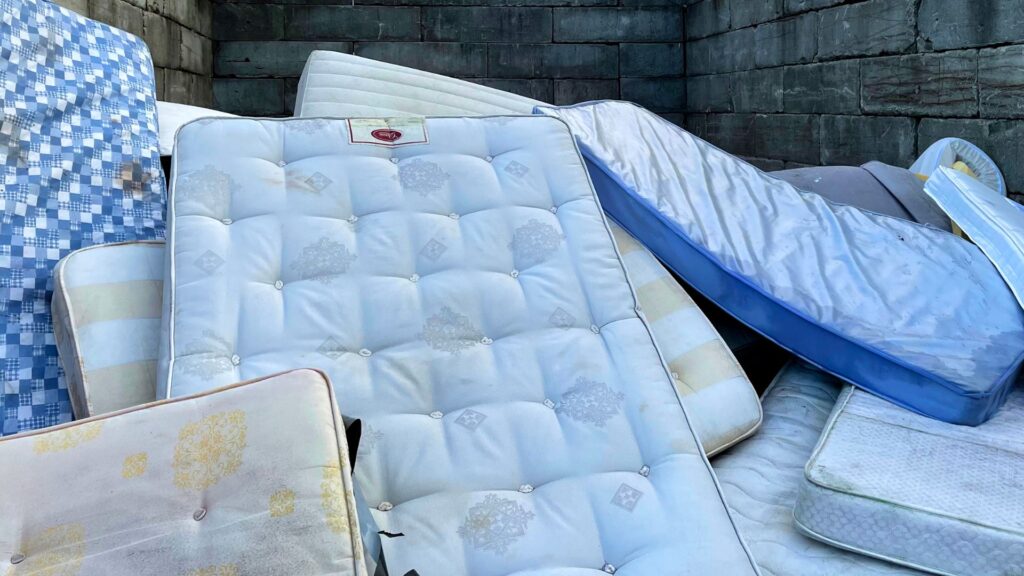
Engaging professional services for mattress removal offers significant environmental advantages that extend beyond mere convenience. Unlike traditional disposal methods, professional removal ensures mattresses are transported and processed through channels designed to maximize material recovery. Experienced crews understand how to disassemble components safely, segregate materials, and direct items to appropriate recycling or repurposing facilities. This structured approach minimizes the likelihood of mattresses ending up in landfills and reduces contamination risks that could compromise recycling efforts. Moreover, professional services often collaborate with certified recycling programs, leveraging networks that increase the efficiency and effectiveness of material reclamation. By relying on expert handling, homeowners amplify the positive environmental impact of their disposal choices, translating a simple task into a conscious ecological decision. Reducing waste accumulation, conserving resources, and promoting sustainable material reuse are direct outcomes of professional involvement, demonstrating how expertise enhances eco-friendly practices.
Donation Options for Usable Mattresses
Donating mattresses that remain in good condition presents a dual benefit: providing essential household items to those in need while extending the life of the product. Many charitable organizations, shelters, and community programs actively accept gently used mattresses, ensuring they are redistributed safely and hygienically. Donations prevent functional items from being discarded unnecessarily, reducing the environmental load and helping families or individuals who may lack the resources to purchase new bedding. When selecting a donation recipient, it is important to verify their ability to handle mattresses responsibly, including safe transportation, storage, and preparation for reuse. Programs that adhere to strict safety and sanitation standards maximize the utility of the mattress while protecting recipients, highlighting the importance of conscientious decision-making in charitable giving.
Understanding Mattress Composition for Better Disposal
Knowing what makes up your mattress is a critical step toward responsible disposal and eco-friendly recycling. Mattresses typically consist of a combination of foams, textiles, and metals, each requiring specific handling to maximize recovery potential. Foam, commonly used in cushioning and comfort layers, can be shredded and repurposed for carpet padding or insulation. Textiles, including cotton, polyester, and blends, are suitable for reprocessing into new fabrics or composite materials. Metal springs and frames are highly recyclable, melting down efficiently to form new industrial products. Understanding these components allows homeowners to make informed decisions about dismantling, collection, and routing to specialized recycling facilities. Awareness of material composition enhances the likelihood of successful recycling and reduces contamination that might render items unusable, emphasizing the value of knowledge in sustainable disposal practices.
Local Regulations and Compliance for Mattress Disposal
Complying with local regulations is essential to ensure that mattress disposal is legal, safe, and environmentally responsible. Municipalities often impose specific guidelines for handling bulky waste, including restrictions on curbside pickup, required drop-off sites, or mandatory use of certified recycling programs. Ignoring these regulations can result in fines, environmental harm, or improper disposal that undermines sustainable efforts. Awareness of local rules also enables homeowners to access resources designed to streamline eco-friendly mattress removal, such as scheduled collection days, community recycling events, or partnerships with nonprofit organizations. By aligning disposal methods with legal requirements, individuals ensure their actions support both environmental integrity and community standards, avoiding inadvertent violations that could compromise ecological initiatives. Understanding local compliance also facilitates smoother coordination with professional removal services.
Cost-Effective Solutions for Mattress Removal
Eco-friendly mattress removal does not necessarily come with exorbitant costs; numerous strategies allow homeowners to balance sustainability with affordability. Municipal recycling programs often provide free or low-cost drop-off options, while charitable donations reduce disposal expenses and benefit community members simultaneously. Professional junk removal services offer transparent pricing structures that encompass collection, transportation, and processing, often presenting cost savings through efficient logistics. Creative repurposing can also reduce expenses by transforming mattress components into functional household items or DIY projects, eliminating the need for new materials. By exploring multiple avenues, individuals can select solutions that align with both budget constraints and environmental priorities, demonstrating that green practices are accessible without financial compromise.
Common Mistakes to Avoid During Mattress Disposal
Many homeowners inadvertently hinder sustainability by making common mistakes when disposing of mattresses. Improper handling, such as failing to remove bedding, neglecting to separate materials, or discarding mattresses in unauthorized locations, can compromise recycling efforts. Overlooking donation opportunities or recycling programs often results in functional items unnecessarily entering landfills. Another frequent error is underestimating the logistics involved, leading to damage, contamination, or additional expenses. Awareness of these pitfalls is crucial to ensure that disposal methods align with environmental goals. By addressing mistakes proactively, individuals maximize the utility of their mattresses, streamline recycling processes, and contribute positively to waste reduction initiatives within their communities. Avoiding errors also requires strategic planning and informed decision-making. Researching local programs, understanding collection schedules, and coordinating with professional services reduces the likelihood of missteps.
Conclusion
Choosing eco-friendly options for mattress removal merges environmental responsibility with practical household management. Whether through recycling, repurposing, donation, or professional services, the way a mattress is discarded has significant implications for sustainability. Proper awareness of materials, local regulations, and available programs ensures that each mattress contributes to reducing landfill dependency, conserving resources, and fostering a culture of reuse. By integrating cost-effective solutions, avoiding common mistakes, and selecting the right disposal channels, homeowners can transform a routine task into a meaningful act of environmental stewardship. Every mattress removed thoughtfully becomes a testament to conscious living and ecological awareness. For professional assistance in Los Angeles, contact Dirty Deeds Junk Removal Los Angeles at +12136012778 for convenient, eco-friendly mattress disposal solutions.