
Removing furniture from your home or office can feel like standing at the edge of a mountain looking down into an abyss. The sheer scale of the task, the physical strain, and the mental load of deciding what stays and what goes can make the process overwhelming. Yet, reducing stress during furniture removal is not only possible but can transform the entire experience into a manageable, even satisfying endeavor. By planning carefully and approaching the task with a mindset of strategy rather than panic, the process can unfold more smoothly. Recognizing potential pain points in advance and preparing for them allows you to maintain control and preserve your energy. Each step, from dismantling to transportation, carries its own challenges, but with the right mindset and tools, these challenges become opportunities to simplify your space and reclaim order in your environment. By focusing on small, achievable goals and taking breaks strategically, stress can be significantly reduced while efficiency rises.
Create a Plan Before Starting Furniture Removal
Planning is the cornerstone of reducing stress during furniture removal. Without a clear strategy, tasks can pile up and create a sense of chaos. Start by assessing which pieces of furniture need to be removed and prioritize them according to size, weight, and fragility. Mapping out a timeline for the removal, including breaks and preparation time, ensures that you are not rushing at the last minute. Organizing the space before moving furniture allows clear pathways and reduces the risk of accidents. Thinking ahead about transportation and disposal options also eliminates uncertainty that might otherwise weigh on your mind. By breaking the removal into manageable phases, you gain a sense of control that directly counteracts anxiety. Visualizing the steps in advance and preparing the necessary equipment, such as dolls or protective blankets, reduces surprises and allows the process to feel more predictable and calm. Planning is not just logistics, it is a mental buffer against stress.
Declutter Before You Move
Furniture removal becomes significantly less stressful when the space is decluttered beforehand. Extra items, boxes, and miscellaneous objects create unnecessary obstacles and complicate movement. Removing what is not needed first makes the actual furniture moving more straightforward. Begin by sorting items into categories: keep, donate, sell, or discard. This process not only reduces physical clutter but also provides a mental sense of clarity. By taking time to remove distractions and unnecessary belongings, you reduce the cognitive load during the move and prevent bottlenecks caused by overstuffed spaces. Decluttering also creates open pathways and prevents injuries or damage that could occur when navigating around excess items. Beyond the physical benefits, clearing out items contributes to a calmer, more focused atmosphere, turning a stressful environment into one that is easier to manage and move through effectively.
Gather the Right Tools and Supplies
Having the right tools and supplies ready before starting furniture removal can drastically reduce stress. Essentials like dollies, straps, blankets, and gloves ensure that furniture is moved safely and efficiently. Without these tools, even a simple task can become frustrating, physically taxing, and time-consuming. Preparing in advance allows you to focus on the task itself rather than improvising solutions mid-process. Each tool has a purpose: dollies reduce strain on your back, straps provide secure handling, and blankets protect delicate surfaces. Collecting everything beforehand and organizing them in an accessible manner prevents constant interruptions and supports a smoother workflow. Being equipped is a psychological boost as well, signaling readiness and reducing uncertainty that often contributes to anxiety during removal.
Enlist Professional Help When Needed
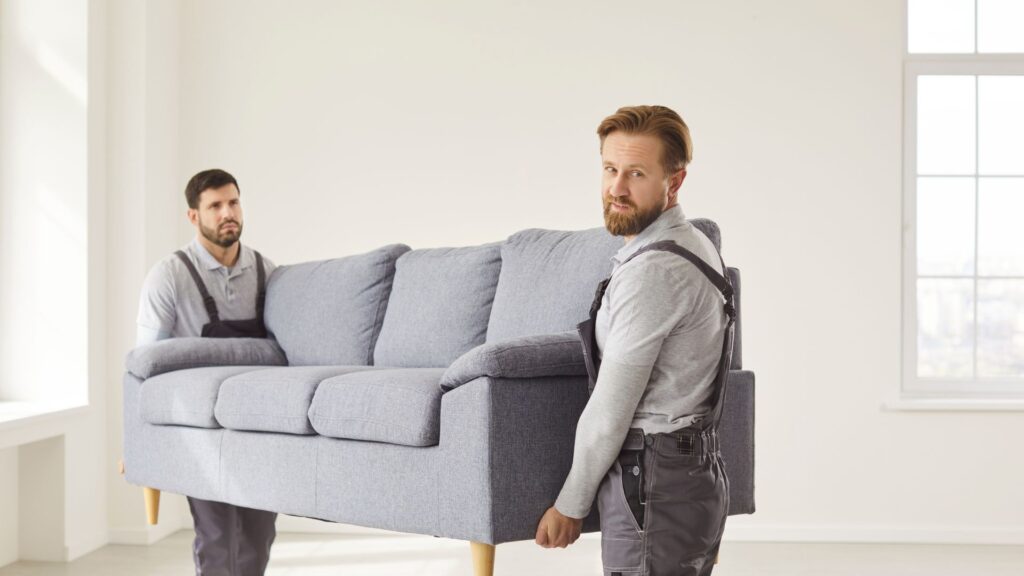
Sometimes the best way to reduce stress during furniture removal is recognizing when to call for professional help. Experienced removal teams bring expertise, equipment, and efficiency that can transform a daunting task into a seamless operation. Attempting to move heavy or bulky items alone can increase the risk of injury and amplify anxiety, but professionals mitigate these risks. Their knowledge of proper lifting techniques, disassembly methods, and safe transport ensures that furniture is handled with care. Hiring experts not only saves time but also provides peace of mind, as you can focus on organizing your space rather than the physical labor of moving items. Professionals offer predictable outcomes and reduce the mental load, giving you room to maintain calm throughout the removal process.
Maintain a Calm and Positive Mindset
Your mindset plays a critical role in reducing stress during furniture removal. Approaching the task with a calm and positive attitude can transform the experience from a source of anxiety into a manageable challenge. Stress often stems from feeling overwhelmed or anticipating problems that may never arise. By focusing on solutions rather than potential mishaps, you maintain control and resilience. Practicing patience, taking deep breaths, and reminding yourself that the process is temporary can alleviate mental pressure. Viewing the removal as an opportunity to create a more organized and functional space encourages a sense of purpose and motivation. Mindset shifts are subtle but powerful tools that influence every stage of furniture removal, from planning to execution. Maintaining positivity also supports better physical performance. A calm mind reduces tension and prevents rushed, careless movements that can cause injury or damage. Encouraging yourself and anyone assisting you helps sustain energy and morale.
Break Tasks into Manageable Steps
Large tasks often feel insurmountable when approached as a whole. Breaking furniture removal into smaller, manageable steps alleviates stress and provides a clear sense of progress. Instead of tackling the entire room at once, focus on one piece of furniture, one area, or even one type of item at a time. This segmented approach allows for regular pauses, reflection, and course correction. Each completed step provides a tangible sense of accomplishment, which fuels motivation for the next phase. Viewing the process as a series of achievable actions rather than a massive, undefined challenge reduces feelings of overwhelm. Structuring tasks in this way fosters a rhythm and sense of control that is essential for maintaining composure during intensive physical activity.
Stay Hydrated and Take Breaks
Physical exertion during furniture removal can quickly lead to fatigue, which in turn increases stress and risk of injury. Staying hydrated and taking regular breaks is essential for maintaining both energy and focus. Drinking water consistently supports physical performance and prevents the mental fatigue that makes tasks feel overwhelming. Short pauses allow muscles to rest, provide an opportunity to reassess progress, and offer a moment to breathe and relax. Ignoring these breaks often results in rushed or careless movements, which elevate stress levels and increase the chance of accidents. Integrating scheduled rest periods into your removal plan ensures that both mind and body remain balanced, focused, and capable throughout the project.
Protect Your Back and Avoid Injuries
Furniture removal can be physically taxing, and injuries are a common source of stress during this process. Protecting your back and using proper lifting techniques are essential for reducing strain and preventing setbacks. Bend at the knees rather than the waist, keep the object close to your body, and avoid twisting while lifting. Using mechanical aids like dollies or straps can further reduce the risk of injury and make the process less daunting. Taking precautions not only safeguards your physical health but also alleviates mental stress associated with worrying about potential accidents. Prioritizing safety transforms a physically challenging task into a controlled and mindful activity, where careful movement reduces tension and anxiety. In addition to lifting techniques, pacing yourself and listening to your body are key components of injury prevention.
Enlist Support from Friends or Family
Sharing the workload with friends or family can make furniture removal significantly less stressful. Even if professional help is not an option, having reliable support provides physical assistance and moral encouragement. Coordinating efforts and assigning specific roles allows the task to move more smoothly while preventing confusion. The presence of familiar people also fosters a positive atmosphere, turning what could be a tense and exhausting activity into a cooperative effort. Social support mitigates feelings of isolation and overwhelm, making the process feel lighter and more achievable. Delegating responsibility strategically ensures that no single person bears the entire burden, which directly reduces stress and enhances efficiency.
Focus on the End Goal and Celebrate Completion
Keeping the end goal in mind provides motivation and perspective during furniture removal. Visualizing the final organized space can inspire momentum and reduce frustration when challenges arise. Each piece moved brings you closer to a sense of accomplishment, making the process more meaningful. Focusing on the positive outcomes, such as a cleaner home, additional space, or improved functionality, helps maintain energy and a sense of purpose. Celebrating progress in small increments reinforces confidence and provides tangible markers of achievement. Shifting attention from the stress of the task to the benefits of completion fosters resilience and keeps motivation high throughout the process. Acknowledging the completion of the removal, no matter how incremental, reinforces the effort and encourages reflection on the efficiency of your planning.
Conclusion
Reducing stress during furniture removal is achievable through careful planning, decluttering, preparation, mindset, and support. Combining practical strategies such as organizing tools, breaking tasks into manageable steps, staying hydrated, and ensuring safety with mental techniques like maintaining positivity and visualizing the end goal creates a more controlled and efficient process. Whether opting for professional help or enlisting friends and family, these approaches transform a potentially overwhelming task into a manageable and even rewarding experience. By focusing on structure, safety, and mental clarity, furniture removal becomes less of a burden and more of an organized endeavor that clears both space and mind. For reliable, professional assistance that ensures a smooth, stress-free removal process, contact Dirty Deeds Junk Removal Los Angeles in Los Angeles at +12136012778.