
Foreclosure cleanouts present a unique set of challenges that require careful planning, strategic execution, and a clear understanding of the tasks at hand. Unlike standard decluttering or moving processes, these cleanouts often involve properties left behind in various states of neglect, sometimes filled with debris, furniture, or personal belongings. Preparing effectively not only ensures a smoother transition for property owners or real estate professionals but also reduces potential hazards and wasted time. Foreclosure cleanouts are often time-sensitive, making efficiency a critical factor. Knowing where to start, what to prioritize, and how to safely remove and dispose of unwanted items can make a significant difference. This process is not just about clearing space; it involves assessing the condition of the property, identifying salvageable materials, and handling disposal in a responsible and compliant manner. With the right approach, a foreclosure cleanout can transform a neglected property into a clean slate, ready for sale, lease, or repurposing, while minimizing stress and maximizing safety throughout the process.
Understanding the Essentials of a Foreclosure Cleanout
Foreclosure cleanouts involve more than just removing unwanted items. Properties that have gone through foreclosure often accumulate a mix of everyday clutter, abandoned furniture, and sometimes hazardous materials. Understanding the essentials means knowing the types of items typically encountered, the potential risks involved, and the best strategies to handle them efficiently. The first step is a careful inspection of the property, identifying areas that require immediate attention and determining what can be salvaged or donated. Timing is critical as these cleanouts are often scheduled within strict deadlines dictated by banks or property managers. Being organized and aware of potential obstacles allows for smoother operations and reduces the chance of accidents or delays.
Creating a Step by Step Plan for Effective Cleanouts
Approaching a foreclosure cleanout without a plan can quickly become overwhelming. Developing a step by step strategy ensures that the process remains organized and manageable, allowing tasks to progress systematically. The first step is to assess the property’s size, condition, and the volume of items that need removal. Identifying areas of priority is essential, focusing on high-traffic spaces or rooms where hazards are most likely. Once the assessment is complete, creating a timeline for each phase of the cleanout keeps the work structured and ensures deadlines are met without unnecessary stress. Assigning specific responsibilities or tasks to team members or contractors adds clarity and accountability, preventing overlaps and missed items. Efficient planning also involves anticipating challenges. Properties in foreclosure can present unexpected obstacles, such as hidden debris, structural damage, or difficult to move items. Preparing for these situations in advance helps prevent delays and injuries. Including a disposal plan within the step by step approach is equally important, deciding what items will be donated, recycled, or hauled away. Allocating appropriate tools, equipment, and personnel ensures that the plan can be executed smoothly. By following a deliberate sequence of actions, a foreclosure cleanout becomes less chaotic and more predictable, allowing property owners or professionals to regain control over a space that may have become neglected or cluttered over time.
Sorting and Categorizing Items Before Disposal
Before removing items from a foreclosure property, sorting and categorizing is a critical step. This process involves evaluating everything left behind and determining what should be kept, donated, recycled, or discarded. Establishing clear categories not only streamlines the cleanout but also helps maximize efficiency and reduce unnecessary waste. Personal belongings may need to be separated from general trash, while reusable materials like furniture, appliances, or electronics can be earmarked for donation or resale. Sorting items systematically room by room prevents confusion and ensures that nothing is accidentally discarded that may have value or importance. Categorizing items also supports safety and compliance. Hazardous materials like paint, chemicals, or old batteries must be identified early and handled according to local regulations to avoid fines or environmental harm. Having a methodical approach allows workers to move quickly while maintaining order and reducing the risk of accidents. In addition, creating distinct zones for sorting within the property can make removal more organized, preventing clutter from accumulating during the cleanout.
Safely Removing Hazardous Materials and Waste
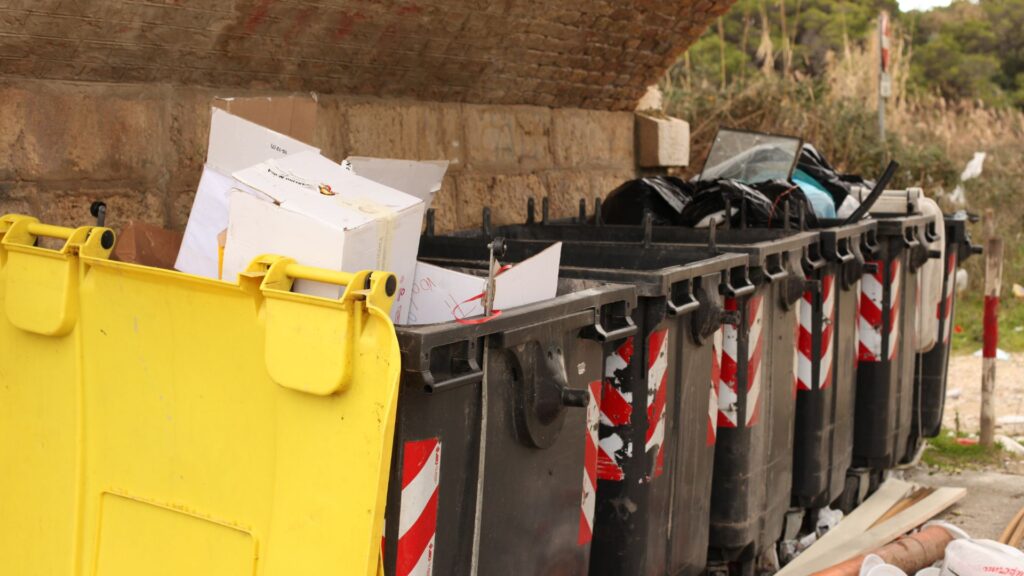
Foreclosure cleanouts often uncover hazardous materials that require careful handling. These can include cleaning chemicals, pesticides, mold, asbestos, or broken glass. Safety is paramount when dealing with these substances to prevent injury, contamination, or legal repercussions. Protective gear such as gloves, masks, and eyewear is essential, along with specialized equipment for handling certain waste. Identifying hazardous areas early in the process allows for a plan that mitigates risk while ensuring compliance with local and state disposal regulations. Knowledge of proper disposal channels for hazardous materials is necessary to avoid environmental hazards and potential fines.
Maximizing Efficiency With the Right Tools and Equipment
Using the right tools and equipment can make a foreclosure cleanout significantly more efficient. Items such as heavy duty gloves, moving dollies, trash bins, utility knives, and protective gear streamline the process and reduce the physical strain on workers. Proper equipment prevents injuries when lifting or moving bulky or heavy items, and specialized tools can simplify tasks like dismantling furniture or removing carpets. Having access to reliable transportation such as trucks or trailers is also crucial for hauling items away promptly. A well-equipped team can tackle cleanouts with less downtime and more predictable results, saving both time and resources. Organization is key when deploying tools and equipment. Staging supplies in convenient locations throughout the property allows for quicker access and reduces unnecessary movement.
Navigating Legal and Environmental Considerations
Foreclosure cleanouts are subject to legal and environmental considerations that must be understood and respected. Local regulations often dictate how certain items, especially hazardous materials, should be disposed of. Ignoring these rules can lead to fines or legal complications. Environmental considerations also play a role in determining what can be recycled, donated, or safely discarded. Familiarizing oneself with these requirements before beginning the cleanout ensures that the process proceeds without conflict or unnecessary penalties. Compliance is not optional; it is an essential part of conducting a professional and responsible cleanout.
Coordinating With Professionals for a Seamless Cleanout
Engaging professional cleanout services can streamline the foreclosure process significantly. Professionals bring experience, tools, and personnel to manage complex projects efficiently. They understand how to navigate challenges such as bulky furniture, hazardous materials, or time constraints, reducing the burden on property owners or managers. Coordinating with experts ensures that tasks are completed systematically, minimizing stress and uncertainty. Professionals can also provide insight into optimal disposal methods, recycling opportunities, and potential cost savings through efficient waste management. The presence of trained personnel can make a chaotic cleanout feel orderly and achievable.
Managing Time Constraints During Foreclosure Processes
Time is often a critical factor in foreclosure cleanouts, especially when deadlines are set by banks or property managers. Managing these constraints requires careful scheduling, prioritization, and efficient execution. Creating a timeline for each phase of the cleanout allows for measurable progress and helps avoid last minute rushes. Time management also involves anticipating challenges and building flexibility into the schedule to handle unexpected delays. Being realistic about what can be accomplished in a set timeframe reduces stress and helps maintain momentum throughout the project. Prioritization is equally important when working under tight deadlines. Addressing high impact areas first ensures that essential tasks are completed even if time runs short. Efficient workflow strategies, such as dividing tasks among multiple workers or focusing on one section at a time, contribute to better time management.
Preparing the Property for Future Use or Sale
Once a foreclosure cleanout is complete, preparing the property for its next stage is essential. This involves more than just removing clutter; it includes cleaning surfaces, addressing minor repairs, and presenting the space in a way that is appealing to potential buyers or tenants. A well-prepared property can increase its market value and create a sense of readiness for the next occupant. Attention to detail in this final stage can make a significant difference, ensuring that the property is not only empty but also inviting and functional. Future preparation also requires evaluating what additional steps may be necessary, such as painting, landscaping, or minor renovations. These improvements contribute to a more professional presentation and can reduce time on the market.
Tips for Stress Free Foreclosure Cleanouts
Foreclosure cleanouts can be overwhelming, but implementing strategies to reduce stress makes the process more manageable. One key approach is to plan thoroughly in advance, establishing a clear roadmap for what needs to be accomplished. Breaking the project into smaller, achievable tasks allows for measurable progress and a sense of control. Delegating responsibilities or enlisting professional help further reduces the burden, ensuring that no single person is overwhelmed by the physical or logistical demands of the cleanout. Maintaining a calm and organized approach throughout the process is also essential. Establishing zones for sorting, labeling items clearly, and keeping pathways clear helps prevent confusion and accidents. Taking regular breaks and maintaining communication with all involved parties reduces tension and keeps the workflow steady.
Conclusion
Foreclosure cleanouts require careful planning, organization, and attention to safety, legal compliance, and efficiency. By understanding the essentials, creating step by step plans, sorting and categorizing items, handling hazardous materials properly, maximizing tools and equipment, navigating regulations, coordinating with professionals, managing time, preparing the property for future use, and reducing stress, the process can be executed effectively and responsibly. These strategies ensure a smoother transition for property owners, real estate professionals, and prospective buyers or tenants. For professional foreclosure cleanout services, contact Dirty Deeds Junk Removal Los Angeles located in Los Angeles at +12136012778 for reliable and efficient support in managing the entire process safely and efficiently.