
Owning a hot tub can be a source of endless relaxation, a private oasis where the stress of the day melts away in warm bubbling waters. However, like any piece of specialized equipment, hot tubs require regular attention and care to maintain their longevity. Many people overlook simple practices that can dramatically extend the life of their unit, opting instead to replace prematurely. Understanding the interplay of water chemistry, mechanical upkeep, and environmental factors can transform how you experience ownership. By adopting a thoughtful maintenance routine, you can preserve the performance of your hot tub, keep energy costs in check, and prevent costly repairs. The key is not only consistent attention but also knowing the subtle signs that signal when parts are nearing the end of their useful life. Maximizing the lifespan of a hot tub is not just about immediate comfort but also about safeguarding your investment. With a combination of proactive care, occasional upgrades, and a clear strategy for cleaning and winterization, you can enjoy your hot tub for years longer than most casual users expect. Recognizing the nuances of proper maintenance and preparation for eventual removal ensures that the process is smooth, safe, and cost-effective.
Regular Water Maintenance Can Extend the Life of Your Hot Tub
The most crucial factor in prolonging the life of a hot tub is how well the water is managed. Water chemistry is not a trivial detail; it affects every component from the heater and pumps to the shell and filters. Neglecting pH levels, alkalinity, and sanitizer balance can cause corrosion, scaling, and even microbial growth that damages plumbing and surfaces. Regularly testing and adjusting chemical levels ensures the water remains clean and prevents buildup that can compromise the internal components. Replacing filters on schedule and rinsing them frequently prevents debris from circulating through the system, reducing wear and tear on pumps. Even subtle variations in water quality, if left unchecked, can gradually degrade seals and joints, causing leaks or mechanical failure. Maintaining clean water also has the added benefit of improving your overall experience, providing soothing, clear, and hygienic conditions that invite daily use. Consistency in these practices is essential; sporadic attention is insufficient to prevent long-term damage.
Keep Mechanical Components in Top Condition
Mechanical components are the backbone of any hot tub, and their longevity depends on careful attention and timely intervention. Pumps, heaters, and jets are constantly working, and even minor disruptions can cascade into major issues if ignored. Lubricating seals, inspecting hoses for cracks, and listening for unusual noises are simple yet effective strategies to prevent unexpected breakdowns. Many owners overlook the importance of turning off power before servicing, which can prolong component life by reducing strain. Overheating or running a pump with dirty water can accelerate wear, emphasizing the importance of integrated maintenance between mechanical care and water quality. Even scheduling a professional inspection once or twice a year can reveal subtle problems before they escalate, from minor leaks to electrical inconsistencies. Keeping components in top condition not only extends the life of your hot tub but also ensures safe operation, reducing the risks associated with electrical and water-based equipment. A well-maintained mechanical system guarantees consistent performance and minimizes interruptions in enjoyment. By prioritizing mechanical upkeep alongside water maintenance, you create a comprehensive strategy for long-term reliability, making eventual removal less urgent and more manageable.
Protecting the Exterior and Interior Surfaces
The visual appeal of a hot tub is more than just cosmetic; the exterior and interior surfaces play a vital role in insulation, structural integrity, and safety. Exposure to sun, wind, and fluctuating temperatures can cause fading, cracking, or warping over time. Using protective covers, applying UV-resistant coatings, and occasionally cleaning with nonabrasive solutions can preserve both appearance and durability. For interior surfaces, avoiding harsh chemicals prevents etching or discoloration, while regular scrubbing removes biofilm or deposits that accumulate in corners and around jets. Even small cracks or scratches, if ignored, can become entry points for water leaks and internal damage. Investing in protective measures ensures your hot tub remains both functional and attractive for years. These preventive steps also make the eventual removal process safer and more efficient because the structural integrity remains uncompromised.
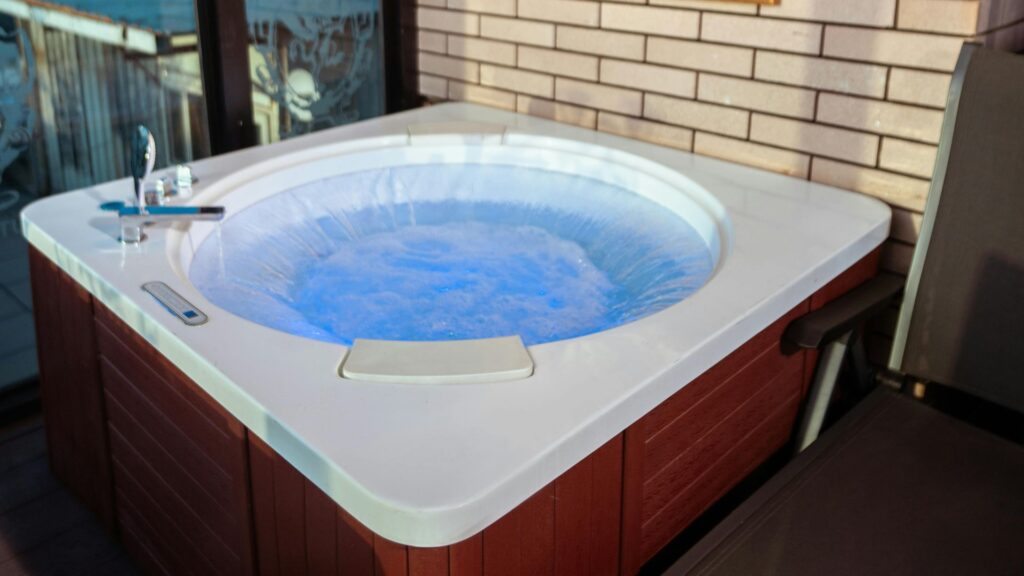
Strategic Winterization for Seasonal Protection
Seasonal changes, particularly cold winters, can impose severe stress on a hot tub. Water left in plumbing lines can freeze, expand, and cause irreparable damage to pumps and the shell if precautions are not taken. Proper winterization involves draining water, cleaning thoroughly, and ensuring that all lines are free from moisture that can expand in freezing temperatures. Adding antifreeze to plumbing or using specialized winter covers provides additional protection against environmental stressors. Even in mild climates, fluctuations in temperature can accelerate material fatigue and compromise seals. Timely winterization prevents costly repairs, maintains energy efficiency, and ensures a smooth restart when the hot tub is needed again. For those planning eventual removal, winterization also makes the disassembly process safer and less messy. Properly prepared units avoid residual water damage, mold growth, or electrical hazards that can complicate removal logistics. Understanding the season-specific needs of your hot tub is an often-overlooked but critical aspect of long-term maintenance.
Upgrading Components to Extend Usability
Sometimes extending a hot tub’s life involves more than routine maintenance. Upgrading certain components can reinvigorate the system and postpone the need for removal. Modern pumps, energy-efficient heaters, and improved filtration systems reduce strain on older equipment and enhance overall performance. Jet nozzles can be replaced to improve water flow and therapeutic effects, while covers with better insulation reduce energy consumption and prevent heat loss. These incremental improvements can dramatically increase usability and comfort, giving older hot tubs a new lease on life. Upgrades also reduce the frequency of emergency repairs, which are often more costly and disruptive than planned replacements. By identifying the most stressed or outdated parts, owners can strategically invest in targeted improvements rather than a full system replacement.
Energy Efficiency and Cost Management
A hot tub that consumes excessive energy can become a financial burden, accelerating decisions to remove or replace it. Monitoring energy use, insulating the shell, and keeping the water temperature moderate reduces strain on the heater and pumps. Periodic checks of the electrical system ensure that wiring and circuits remain safe and efficient. Even minor inefficiencies, when left unchecked, increase operational costs and wear on mechanical components. Investing in energy-efficient pumps and heaters, combined with a disciplined approach to temperature and runtime management, can significantly extend the lifespan of the hot tub while lowering utility bills. Understanding the relationship between energy efficiency and component longevity transforms routine usage into a strategic maintenance practice.
Cleaning and Sanitation Practices
Proper cleaning goes beyond aesthetic appeal, directly affecting the health of the system and the user. Residue, biofilm, and mineral deposits can build up in jets, pipes, and surfaces, eventually impairing functionality and hygiene. Establishing a consistent cleaning schedule, including scrubbing surfaces, flushing plumbing lines, and replacing filters, prevents these problems from escalating. Utilizing appropriate cleaning solutions ensures that sensitive surfaces are not damaged while eliminating microbial growth that could impact water quality. A clean system reduces strain on pumps and heaters, promoting smoother operation and reducing the likelihood of early component failure. Beyond the mechanical benefits, maintaining a clean hot tub enhances the bathing experience, fostering relaxation and peace of mind.
Monitoring Usage and Environmental Factors
The intensity and frequency of hot tub use influence how quickly wear and tear occur. Heavy use, particularly with multiple users or frequent temperature changes, can stress pumps, heaters, and seals. Conversely, sporadic use may lead to stagnant water, biofilm accumulation, or neglected chemical balance. Recognizing usage patterns helps in planning maintenance, scheduling upgrades, and predicting component replacement. Environmental conditions, such as exposure to direct sunlight, wind, or fluctuating temperatures, also affect the shell and exterior surfaces. Installing shade structures, windbreaks, or protective covers mitigates these stresses, preserving structural integrity and minimizing energy expenditure. Being attentive to both human and environmental factors creates a balanced approach, allowing the hot tub to endure over time.
Planning for Safe and Efficient Removal
Even with careful maintenance, there comes a time when hot tub removal is inevitable. Preparing the unit in advance reduces risk, saves time, and prevents damage during the process. Draining all water, disconnecting electrical connections safely, and clearing surrounding areas ensure that the removal team can operate efficiently. Proper planning also allows for recycling or disposal of components responsibly, minimizing environmental impact. Keeping documentation of maintenance, upgrades, and inspections can assist professionals in assessing the condition and value of the unit. Planning removal with foresight protects property, reduces labor complications, and provides a smoother transition to replacement or disposal.
Conclusion
Maximizing the life of a hot tub requires a combination of proactive maintenance, thoughtful upgrades, careful attention to water quality, and strategic planning for seasonal changes. By consistently monitoring mechanical components, protecting surfaces, managing energy use, and adhering to cleaning schedules, owners can significantly extend the usability and enjoyment of their unit. These efforts not only provide immediate comfort but also ensure that eventual removal is safer, more efficient, and cost-effective. Incorporating preventive measures and understanding the interplay of all elements involved transforms hot tub ownership from a short-term indulgence into a long-lasting investment. When the time comes for professional removal, having followed these practices guarantees a smoother, less disruptive process. Dirty Deeds Junk Removal Los Angeles offers expert assistance in safely and efficiently handling hot tub removal. Located in Los Angeles, you can reach them at +12136012778 for reliable service that respects both your property and the environment.