
Managing yard waste is a crucial aspect of maintaining a safe and aesthetically pleasing outdoor space. Fallen leaves, grass clippings, branches, and other organic debris may seem harmless at first glance, but improper disposal can create hazards for both your home and the environment. Ensuring that yard waste is handled responsibly not only prevents potential accidents but also promotes a cleaner, healthier neighborhood. Beyond aesthetics, there are environmental regulations and local ordinances that homeowners must consider, making proper disposal more than just a matter of tidiness. With the rise of community awareness about sustainability, residents are increasingly seeking effective ways to manage yard debris without contributing to landfill overflow. Professional services, specialized composting programs, and safe DIY disposal techniques all play a role in creating a balanced, eco-friendly approach. Learning the methods and benefits of proper yard waste disposal equips homeowners with the knowledge to protect their property, the environment, and the well-being of those around them.
Understanding the Risks of Improper Yard Waste Disposal
Discarding yard waste irresponsibly can lead to a host of issues that extend beyond unsightly piles in your yard. Organic materials left to accumulate may become a breeding ground for pests such as rodents and insects, which can introduce diseases and infestations. Additionally, wet leaves and grass can create slippery surfaces that increase the risk of accidents, especially during seasonal changes when rainfall or frost may be present. Backyard fires also pose a danger when dry debris is left unchecked. Ignoring these risks can affect not only your property but also the surrounding community, making safety a shared responsibility. Being aware of the consequences of improper disposal emphasizes the importance of proactive yard management. By taking the time to sort, contain, and dispose of waste thoughtfully, homeowners reduce hazards while simultaneously enhancing the appearance and safety of their outdoor spaces.
Choosing the Right Disposal Method
Selecting an appropriate disposal method is crucial to avoid safety hazards and environmental harm. Yard waste can be handled in several ways, from curbside pickup and municipal collection programs to composting and professional removal services. Each method carries unique considerations regarding cost, convenience, and environmental impact. For example, composting offers the dual benefit of reducing waste and enriching soil for gardens, but it requires time, space, and knowledge to execute properly. Municipal pickup programs provide a convenient alternative but often impose strict rules on how waste must be prepared. Professional services, on the other hand, offer efficiency and safety, ensuring large volumes of debris are removed promptly without risk to homeowners or their neighbors. Understanding the strengths and limitations of each method allows individuals to make informed choices that best suit their lifestyle, property size, and sustainability goals.
Segregating Yard Waste for Safety
Separating yard waste by type is a fundamental step in maintaining safety and efficiency. Leaves, grass clippings, branches, and other organic materials each have specific handling requirements that, when overlooked, may result in accidents or environmental harm. Grass clippings left to pile up can become slippery or create mold, while branches scattered across a yard can pose tripping hazards or damage equipment. Identifying and organizing debris into categories allows for safer handling, easier collection, and more effective disposal. Using separate bins, compost piles, or designated areas ensures that each type of waste is addressed properly, minimizing risks to homeowners and maintenance personnel. This level of organization also facilitates compliance with local municipal guidelines, which often mandate specific preparation methods for yard debris.
Safe Handling and Transportation Practices
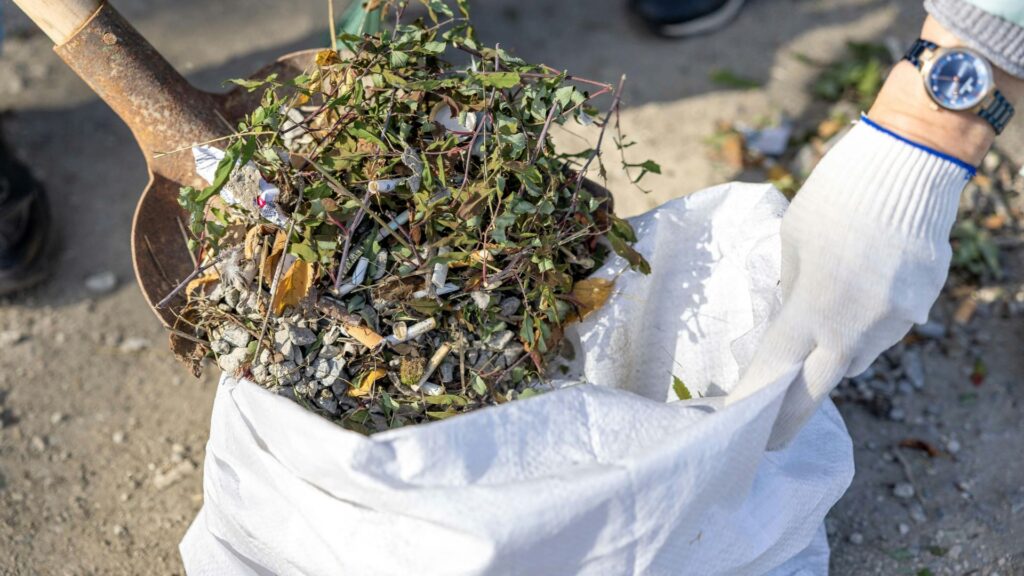
Handling yard waste safely is essential to prevent injuries and maintain a clean environment. Protective gear such as gloves, long sleeves, and sturdy footwear can shield individuals from thorns, sharp branches, and harmful debris. Tools should be in good condition and used correctly to avoid accidents, whether trimming branches, bagging leaves, or moving heavy loads. When lifting or transporting waste, proper techniques are critical to prevent strains and injuries. Dividing large piles into manageable portions and using wheelbarrows or carts can significantly reduce physical stress while improving efficiency. Safety extends beyond personal precautions to include awareness of surroundings, ensuring that pets, children, and bystanders are not in harm’s way during cleanup operations.
Composting as a Sustainable Solution
Composting provides an environmentally friendly way to handle yard waste while enriching soil for gardens and landscaping. Organic materials such as leaves, grass clippings, and plant trimmings naturally decompose into nutrient-rich compost when managed properly. This process reduces the volume of waste sent to landfills, lowers greenhouse gas emissions, and creates a sustainable source of fertilizer that can improve plant health and soil structure. Composting also encourages mindfulness about waste generation, helping homeowners develop habits that minimize unnecessary disposal and promote eco-conscious landscaping. Establishing a compost pile or bin requires planning, regular maintenance, and an understanding of the materials that can safely decompose together.
Using Professional Yard Waste Removal Services
Professional yard waste removal services provide a convenient and reliable solution for homeowners with large volumes of debris or limited time. These services ensure that waste is collected, transported, and disposed of safely, following local regulations and environmental guidelines. Trained personnel handle materials efficiently, reducing the risk of injury and property damage that may occur with DIY removal. Professionals can also manage hazardous or bulky items that homeowners may struggle to handle, providing a comprehensive approach to yard maintenance. This option is particularly valuable during seasonal cleanups, post-storm debris removal, or large-scale landscaping projects.
Seasonal Considerations for Yard Waste Disposal
Seasonal changes significantly influence yard waste management, affecting both the type and volume of debris. Fall brings an abundance of leaves and fallen branches, while spring and summer may generate increased grass clippings, trimmings, and garden residue. Winter storms can also leave behind large quantities of branches, uprooted plants, and other hazardous debris. Understanding these seasonal patterns helps homeowners plan ahead, ensuring proper collection, storage, and disposal strategies are in place. Timely removal of seasonal waste prevents hazards such as slipping, pest infestations, and blocked drainage systems. Adjusting disposal practices to match seasonal demands enhances efficiency and safety. For example, wet leaves may require specialized bags or containers to avoid rot and mold, while dry branches should be bundled to prevent accidental injury. Residents should also be aware of municipal schedules, as collection services may vary based on the season.
Eco-Friendly Disposal Alternatives
Beyond traditional removal methods, eco-friendly disposal alternatives offer sustainable ways to manage yard waste. Mulching, for instance, transforms leaves and branches into ground cover that retains soil moisture, reduces erosion, and suppresses weeds. Composting, community green programs, and recycling initiatives also provide avenues for environmentally conscious disposal. Adopting these alternatives not only minimizes landfill contributions but also promotes healthier landscapes and biodiversity in local areas. Incorporating sustainable practices requires awareness, planning, and commitment, but the long-term benefits for the environment and the community make these efforts worthwhile.
Legal and Regulatory Compliance
Understanding legal and regulatory requirements is a critical component of safe yard waste disposal. Many cities and counties have specific guidelines regarding what types of waste can be collected, how materials should be prepared, and the designated disposal locations. Failing to comply with these rules can result in fines, penalties, or environmental violations. Homeowners must stay informed about municipal regulations, seasonal collection schedules, and any special instructions for hazardous or bulky items. Compliance not only ensures legal adherence but also fosters responsible community behavior and environmental protection. Regulatory compliance also intersects with safety practices. For instance, local ordinances may dictate how branches should be bundled to prevent injury during collection, or require the separation of organic material from non-compostable waste. Staying updated with these requirements allows residents to plan disposal activities efficiently, reducing the risk of accidents and supporting broader sustainability goals.
Maintaining a Safe Yard Throughout the Year
Continuous yard maintenance is essential to prevent waste accumulation and potential hazards. Regular trimming, pruning, and clearing of debris keep outdoor spaces organized, safe, and visually appealing. Monitoring areas where leaves, branches, or clippings tend to gather helps identify risks before they escalate into problems. Consistent upkeep also supports pest control, reduces fire hazards, and ensures proper drainage during rainy seasons. Developing a routine schedule for waste removal and yard care allows homeowners to address issues proactively rather than reactively, fostering a safer and more enjoyable environment for family and visitors. In addition to routine maintenance, integrating sustainable practices such as composting, mulching, and responsible recycling enhances the long-term health of your yard. Proper planning, combined with knowledge of disposal regulations and seasonal considerations, empowers homeowners to manage debris efficiently while reducing environmental impact. Maintaining a safe yard is an ongoing effort that blends practical habits, creative solutions, and professional support when needed. By prioritizing continuous care, residents achieve a harmonious balance between safety, aesthetics, and ecological responsibility, ensuring their outdoor spaces remain welcoming and hazard-free throughout the year.
Conclusion
Ensuring safe yard waste disposal is an essential practice that protects both your property and the surrounding environment. By understanding the risks of improper disposal, selecting suitable methods, segregating debris, and incorporating sustainable practices, homeowners can maintain safer, cleaner, and more environmentally responsible outdoor spaces. Professional services offer additional support, providing efficient solutions that reduce hazards and simplify the disposal process. Integrating seasonal awareness, legal compliance, and eco-friendly alternatives further enhances safety and sustainability, creating a comprehensive approach to yard management. For residents in Los Angeles seeking reliable yard waste solutions, Dirty Deeds Junk Removal Los Angeles offers professional services designed to handle all types of debris safely and efficiently. By contacting them at +12136012778, homeowners can ensure responsible, convenient, and compliant yard waste disposal while maintaining the beauty and safety of their outdoor spaces.