
Garages have a way of quietly swallowing things we swear we’ll use “someday.” Boxes stack, corners disappear, and before long, the car barely fits—or doesn’t at all. A garage cleanout isn’t just about decluttering; it’s about reclaiming usable space and reducing stress. But the process can feel like staring down a mountain made of forgotten tools, dusty furniture, and old paint cans. Tackling it effectively requires more than determination—it needs a plan. From sorting and disposal to recycling and donation, the right strategy can turn chaos into order without wasting a weekend or straining your back. Knowing where to begin and when to call in professionals like Dirty Deeds Junk Removal Los Angeles can turn a dreaded task into a satisfying transformation. This guide walks you through the process so you can clear the clutter and rediscover the potential hiding behind those overstuffed shelves.
Discovering What’s Really in Your Garage
Most people underestimate just how much they’ve tucked away over the years. Forgotten hobbies, broken gadgets, and half-finished projects quietly take over. The first step in any cleanout is facing the inventory without judgment. Pull everything out where you can see it. The shock of how much you’ve accumulated might sting at first, but it’s also motivating. Sorting things into keep, donate, and toss piles helps make sense of the chaos. A garage cleanout becomes simpler once you see patterns—duplicates, outdated items, or things kept “just in case.” Understanding what you actually use versus what you only think you might someday helps you decide what truly deserves space. Once you’ve categorized everything, you’ll notice how much lighter the space feels. It’s not only about junk removal; it’s about reclaiming energy. That’s the moment you stop managing clutter and start shaping a more intentional environment that reflects your current life, not your past.
Setting a Realistic Timeline for the Cleanout
People often start strong and fade fast because they underestimate the time needed. A garage cleanout is rarely a quick fix; it’s a project that deserves patience. Setting a realistic schedule helps prevent burnout. Start by blocking off a weekend or dividing the task into smaller sessions. Even two hours a day can move mountains if you stay consistent. The trick is balancing ambition with rest. Cleanouts stir up memories and decisions that take mental energy. Allow breaks, hydrate, and remember—it’s not about speed, it’s about progress. Label boxes as you go and avoid hopping between tasks. When you pace yourself, every cleared shelf becomes a small victory. A structured approach keeps motivation alive and ensures you don’t just shuffle junk around. By giving your time boundaries, you create space for real change. What once felt like an impossible task begins to unfold with surprising ease.
Sorting Items for Donation, Disposal, or Recycling
Once the sorting starts, decision fatigue can creep in fast. The key is having clear categories before you begin. Keep, donate, recycle, and dispose—simple but powerful divisions. Items still in good shape can often find a second life through donation centers or local charities. Broken, hazardous, or outdated materials belong elsewhere, following city guidelines for proper disposal. Recycling plays a major role here. Metal tools, electronics, and cardboard often have designated drop-offs. Knowing where to take them before you start helps maintain flow and avoids mid-project stalls. It’s easy to feel overwhelmed, but separating items this way clarifies what’s valuable and what’s simply taking space. In the end, your garage won’t just look better; it’ll feel better too.
Using Proper Tools and Safety Gear
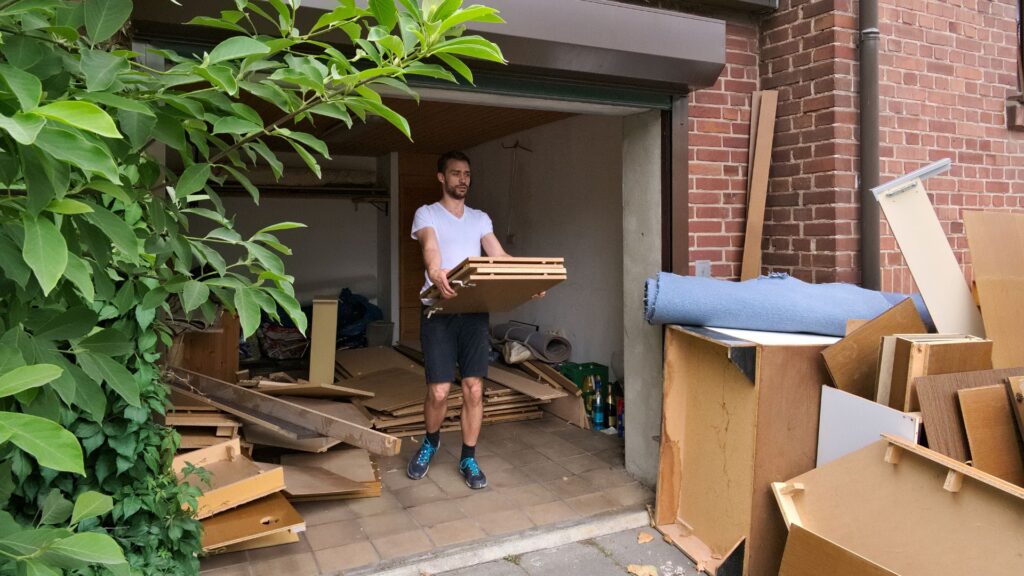
Cleaning out a garage isn’t just moving stuff around—it’s physical work. Gloves, masks, and sturdy shoes aren’t optional; they’re essential. Old paint, rusted tools, or dusty boxes can hide hazards. Protecting yourself ensures you finish the job without injury. A dolly or hand truck saves strain on your back, and large trash bags or bins keep debris contained. Good lighting also makes a difference. Garages often have dim corners where hazards lurk. Using a headlamp or portable light helps spot nails, broken glass, or pests before they surprise you. Take the time to set up your workspace properly. Efficiency increases when you don’t need to stop for forgotten gear. Safety might not sound exciting, but it’s what allows you to focus on the transformation instead of nursing sore muscles later.
The Psychology Behind Letting Go of Clutter
Every item carries a story, and that’s why garage cleanouts can stir emotions. People hold on to objects that represent memories, even when the items themselves serve no current purpose. The hesitation to let go isn’t laziness—it’s attachment. Recognizing that helps soften the process. You can honor memories without keeping every relic. Start by asking: does this still serve me today? If not, let it go with gratitude. The goal isn’t emptiness but alignment—keeping what reflects your present, not your past. Once you begin releasing unnecessary items, clarity follows. The act of decluttering becomes therapeutic, lifting invisible weight. When you finish, the physical space mirrors your mental one: lighter, clearer, and ready for new things. It’s proof that a garage cleanout isn’t just about junk—it’s a quiet reset for both your home and mind.
When to Call a Professional Junk Removal Team
Sometimes the sheer scale of a garage cleanout goes beyond a solo effort. Heavy lifting, bulky debris, or hazardous materials might require professional help. A team that specializes in junk removal has the tools, trucks, and training to handle it efficiently and safely. They know how to sort, recycle, and dispose of items responsibly, which saves you time and potential fines. Calling professionals doesn’t mean giving up—it’s a smart choice for efficiency. It transforms what could take you several weekends into a single-day project. Companies like Dirty Deeds Junk Removal handle everything from sorting to hauling, allowing you to skip the mess and focus on how you’ll use your new space.
Maximizing Your Garage Space After the Cleanout
Once the clutter is gone, the real opportunity begins. Empty space is full of potential. You can finally decide how to use your garage intentionally—whether for parking, storage, or a hobby zone. Invest in shelves, pegboards, or ceiling racks to keep things off the floor. Vertical storage saves space and gives every item a designated place. Labeling bins and containers prevents future chaos. It’s easier to maintain order when everything has a home. The cleanout’s success depends not just on what you remove but how you organize what remains. Treat your garage like an extension of your living area, not a dumping ground. With structure and discipline, it stays clean far longer. And when you walk into a garage that actually functions the way you want, the sense of satisfaction makes every hour of work worth it.
Handling Large or Hazardous Materials Responsibly
Garages often hold items that can’t just be tossed in the trash. Old paint, chemicals, batteries, or oil containers require special handling. Knowing your local regulations for hazardous waste disposal protects you and the environment. Many communities have designated collection days or drop-off centers for such materials. For bulky items—like old furniture, scrap metal, or appliances—check recycling options first. Some parts can be salvaged or reused. Tossing everything into a dumpster isn’t the answer. Responsible disposal keeps your project sustainable and compliant with local laws. It also feels better to know your cleanout isn’t harming the planet. Handling these materials correctly adds a layer of integrity to the whole process.
Keeping the Space Organized Long-Term
A clean garage can quickly revert to clutter if habits don’t change. The secret is maintenance. Schedule short monthly check-ins to clear out small messes before they grow. Adopt a “one in, one out” rule—when something new enters, something old leaves. It keeps accumulation in check. Another strategy is designating zones: tools, sports gear, seasonal décor. When everything has a place, you’ll instantly notice when something’s out of order. Over time, upkeep becomes second nature. The reward is lasting clarity. You no longer dread opening the garage door or waste time searching for lost items. Instead, your space works for you, supporting your daily rhythm instead of complicating it.
Turning Your Garage Into a Functional Extension of Your Home
After the dust settles and the clutter disappears, imagine what your garage could become. A workshop, home gym, or creative studio—all possible once the junk’s gone. The clean slate allows creativity to take the lead. You’re not just reclaiming space; you’re upgrading your lifestyle. Think of it as an investment in daily ease. No more tripping over boxes or wondering where the screwdriver went. Everything has a place, and the room feels intentional. That sense of order ripples into other parts of life. A clear environment inspires clear thinking. The transformation from cluttered chaos to functional comfort becomes a quiet reminder: the spaces we shape shape us back. Your garage can now serve you, rather than the other way around.
Conclusion
A garage cleanout is more than a chore—it’s a small act of freedom. The process reveals what you’ve been holding onto, both physically and emotionally, and makes space for what’s next. Whether you tackle it solo or bring in experts, the goal is the same: to reclaim control of your environment. When the task feels overwhelming, there’s no need to do it alone. Professional help makes the difference between endless sorting and swift results. For reliable, eco-conscious service in Los Angeles, reach out to Dirty Deeds Junk Removal Los Angeles at +1 213-601-2778. They’ll handle the heavy lifting so you can enjoy your newly transformed space without the stress. Your clean garage—and peace of mind—are just one call away.