
Renovations can breathe new life into a home, turning outdated spaces into functional and aesthetically pleasing environments. However, amidst the excitement of fresh paint, new flooring, and upgraded fixtures, one aspect often overlooked is the overwhelming accumulation of unwanted junk. From broken cabinets to leftover tiles, packaging materials, and obsolete appliances, the aftermath of a renovation can quickly transform a project of beauty into a cluttered nightmare. Handling this debris is not merely a matter of tidiness but also a practical concern, as piles of construction waste can present hazards, obstruct daily living, and diminish the sense of accomplishment achieved through the renovation process. While some homeowners attempt to dispose of the debris on their own, the logistics of hauling heavy, awkward, or hazardous materials can be daunting. Recognizing the importance of efficient junk removal is the first step in reclaiming a harmonious living space. Whether it involves hiring professionals or implementing a well-organized disposal plan, addressing renovation waste strategically ensures that the home reflects the intended transformation without lingering reminders of construction chaos. The ability to navigate this post-renovation landscape effectively defines the difference between a seamless transition and prolonged stress.
H2 Preparing Your Space Before Renovation Debris Accumulates
Taking proactive steps before renovation begins can drastically reduce the chaos that follows once construction concludes. Planning for junk removal is as essential as choosing the right materials or contractor. Identifying areas where debris is likely to accumulate, such as kitchens, bathrooms, and outdoor spaces, allows for strategic placement of temporary storage containers or protective barriers. By envisioning how waste will be collected and transported, homeowners prevent clutter from overtaking the renovated areas and obstructing access for workers or family members. This foresight is particularly valuable when renovations involve structural changes or the replacement of bulky items, as these materials often require specialized disposal methods. Establishing a plan for segregating recyclable and non-recyclable debris at the outset saves time and reduces environmental impact while ensuring that hazardous materials are handled safely.
H2 Identifying Items Worth Keeping After Renovation
Not all items that appear to be junk are without value, and discerning what to retain can make a difference in efficiency and sustainability. Many homeowners overlook the potential of repurposing materials such as cabinetry, tiles, light fixtures, or even wooden planks. These items may serve as replacements for future projects or provide creative opportunities for crafting, storage solutions, or decorative accents. Understanding which materials have salvageable quality and which are beyond use requires careful inspection, a degree of expertise, and sometimes guidance from professionals familiar with construction waste. By categorizing debris into keep, recycle, and discard, homeowners streamline the disposal process and reduce unnecessary hauling expenses. This approach not only conserves resources but also aligns with environmentally responsible practices, diverting useful items from landfills and extending their functional lifespan.
H2 Strategies for Sorting Renovation Debris Effectively
Sorting debris is critical to creating a manageable post-renovation cleanup plan. Establishing distinct categories such as metals, wood, plastics, drywall, and mixed waste allows for organized removal and prevents unnecessary landfill use. Professionals in junk removal often recommend color-coded bins, labeled containers, or designated piles to accelerate the sorting process. This organization not only facilitates the hauling of materials but also helps identify items suitable for recycling or repurposing. In larger projects, sorting may be divided by room or type of renovation activity to simplify collection logistics and prevent overlap. Proper categorization reduces confusion and improves efficiency, ensuring that the cleanup progresses steadily without overlooked hazards or misplaced materials. Sorting also enhances safety and regulatory compliance. Many materials common in renovations, including certain paints, adhesives, and treated wood, require specific disposal protocols. Mixing these substances with general debris can pose health risks and violate local ordinances.
H2 Safe Removal of Hazardous Materials
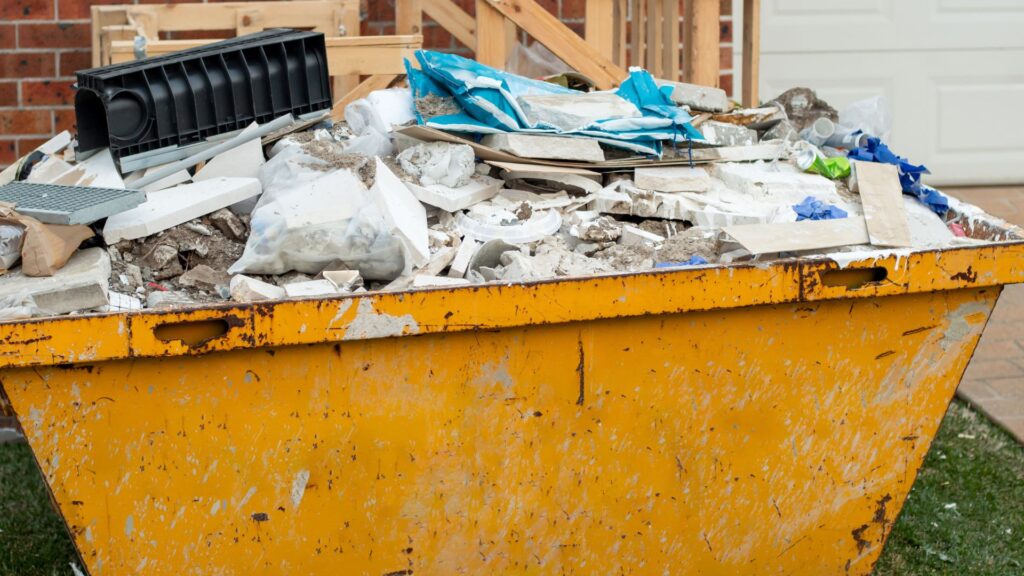
Renovation projects frequently generate hazardous materials, including paints, solvents, asbestos-containing tiles, and treated wood. Handling these items improperly can pose serious health risks and legal issues. Identifying hazardous components early in the project and isolating them from general debris is crucial. Professionals trained in hazardous waste disposal are equipped to handle these materials safely, often following local regulations and environmental guidelines that protect both homeowners and workers. By addressing potential hazards proactively, the cleanup process becomes safer, minimizing exposure to toxins and preventing accidents that could result from improper handling or storage. Safe removal involves understanding the chemical and structural characteristics of each material.
H2 Choosing Between DIY and Professional Junk Removal
Homeowners often face a decision between handling post-renovation junk removal themselves or hiring professional services. DIY approaches may seem cost-effective, but they come with logistical challenges such as transportation, labor, and proper disposal. Many renovation materials are bulky, heavy, or hazardous, creating potential safety risks for individuals without appropriate equipment or knowledge. Professional services, in contrast, streamline the process with experience, vehicles, and trained personnel, ensuring rapid and efficient removal. Evaluating the scope of the project, available time, and physical capacity helps homeowners determine which option best meets their needs while maintaining safety and efficiency. Professional junk removal offers additional advantages beyond convenience. These services often include sorting, recycling, and responsible disposal, alleviating the stress of navigating municipal regulations.
H2 Maximizing Recycling and Repurposing Opportunities
Recycling and repurposing are key strategies for responsible post-renovation junk management. Many materials discarded during renovations retain intrinsic value and can be diverted from landfills, including metals, wood, plastics, and glass. Identifying items suitable for reuse or recycling requires careful assessment and sometimes creative thinking, such as transforming broken tiles into garden mulch or using old cabinetry for storage solutions. Professional junk removal services frequently include recycling protocols, ensuring that materials are directed to appropriate facilities rather than contributing to environmental degradation. Homeowners benefit not only from reduced disposal costs but also from contributing to sustainability efforts and conserving natural resources. Repurposing can also spark innovation in home design and functional organization. Shelving units, doors, and windows may find new life in DIY projects, while wood scraps can serve as craft materials or structural supports.
H2 Efficient Hauling and Transportation Methods
Transporting renovation debris efficiently requires careful planning and the right equipment. Large quantities of waste, bulky items, and heavy materials necessitate vehicles capable of accommodating significant loads, whether in personal trucks, rented trailers, or professional hauling trucks. Loading techniques also impact safety and efficiency, as distributing weight evenly and securing items prevents accidents during transport. Professionals specializing in junk removal understand the logistics involved in hauling diverse materials, employing strategies that minimize time and reduce labor-intensive effort. Efficient transportation not only speeds up the cleanup process but also ensures that materials reach appropriate disposal or recycling facilities without unnecessary delays or mishaps.
H2 Timing Your Cleanup for Optimal Results
Timing plays a crucial role in post-renovation junk management. Delaying cleanup can lead to clutter, damage, or prolonged exposure to hazardous dust and materials, while rushing the process may result in overlooked debris or unsafe handling. Establishing a timeline that aligns with the completion of renovation tasks ensures a smooth transition between construction and occupancy. Homeowners should plan for debris removal shortly after the final touches are completed, allowing spaces to be fully appreciated and minimizing interference with daily routines. Coordinating with professional services in advance guarantees that debris is collected promptly, reducing the accumulation of unnecessary waste in living areas. Optimal timing also allows for a structured approach to sorting, recycling, and disposal.
H2 Maintaining a Clutter-Free Home After Renovation
Successfully removing post-renovation junk is only the beginning of sustaining a clean, organized home. Establishing routines for waste management, storage, and periodic decluttering prevents the accumulation of unnecessary items over time. Assigning dedicated spaces for tools, materials, and household items encourages order and reduces the temptation to revert to chaotic storage practices. Incorporating responsible disposal habits, such as donating usable items or recycling periodically, ensures that the home remains clutter-free and harmonious. The principles applied during post-renovation cleanup can extend into everyday organization, creating a lifestyle that prioritizes functionality and aesthetics simultaneously. Long-term maintenance involves mindful consideration of what enters the home and how items are stored or discarded.
H2 Leveraging Professional Expertise for Stress-Free Cleanup
Engaging professional junk removal services transforms post-renovation cleanup from a stressful endeavor into a streamlined, efficient process. Trained teams bring experience, equipment, and knowledge that simplify even complex projects. They assess the volume, type, and hazards of materials, implement safe removal strategies, and ensure responsible disposal or recycling. Homeowners benefit from reduced labor, minimized risk of injury, and adherence to environmental regulations. Professional expertise also provides peace of mind, allowing residents to focus on enjoying their newly renovated space rather than wrestling with logistics, transportation, or safety concerns.
Conclusion
Post-renovation junk management is a critical yet often underestimated aspect of home improvement. From planning and sorting to safe disposal and professional hauling, each step contributes to a smoother transition from construction chaos to organized living. By evaluating items for reuse, implementing recycling strategies, and timing cleanup efficiently, homeowners enhance both safety and sustainability. The collaboration between thoughtful preparation and professional expertise ensures that renovated spaces can be fully appreciated without the lingering burden of unwanted debris. Professional services offer unmatched convenience, speed, and compliance with environmental standards, transforming cleanup from a stressful task into a streamlined process that aligns with modern expectations of efficiency and responsibility. Dirty Deeds Junk Removal Los Angeles provides expert solutions for homeowners navigating the complexities of post-renovation debris removal in Los Angeles. Their team ensures that every project, regardless of scale, concludes with a clean, safe, and organized environment. For reliable and comprehensive junk removal services, contact Dirty Deeds Junk Removal Los Angeles at +12136012778.