
Recycling during junk removal is more than a chore; it is an opportunity to rethink how we treat waste and transform discarded items into useful resources. The process requires attention to detail, awareness of local recycling regulations, and a commitment to separating materials efficiently. Many homeowners and businesses underestimate the impact that properly sorting and disposing of junk can have on the environment. A pile of seemingly worthless items may conceal valuable materials that can be diverted from landfills. With growing awareness about sustainability, recycling has shifted from a casual suggestion to an essential part of responsible junk removal. Understanding the best practices in this area not only reduces environmental impact but also promotes a more organized approach to clearing spaces. From identifying recyclable materials to finding specialized recycling centers, there is a methodical yet practical way to manage junk that benefits both individuals and the community. Applying these strategies ensures that waste is handled responsibly, efficiently, and with a long-term perspective that respects the planet.
Identifying Recyclable Materials During Junk Removal
Understanding what can be recycled is the first step in an effective junk removal process. Items such as cardboard, paper, metals, glass, and certain plastics have distinct pathways for recycling, and recognizing them early can prevent unnecessary contamination in recycling streams. Often, homeowners throw everything into a single bin without considering material type, which reduces the likelihood of proper recycling. Paying attention to labels, the physical condition of items, and local guidelines helps determine whether materials can be reused or need special handling. Recyclable materials often vary by region, so contacting local recycling facilities or checking municipal websites provides clarity on acceptable items. When separating junk at the source, sorting recyclables from non-recyclables saves time, reduces costs, and ensures environmental responsibility. A small effort in identification can translate into significant positive outcomes for both the community and landfill reduction initiatives.
Sorting Junk to Maximize Recycling Efficiency
Sorting junk efficiently begins with a clear understanding of categories and dedicated collection spaces. Dividing items into metals, plastics, paper, electronics, and general waste prevents contamination and speeds up the recycling process. A chaotic approach often leads to cross-contamination, reducing the quality and usability of recycled materials. By creating designated areas or bins for each type of material, the removal process becomes smoother and more systematic. Proper signage, color coding, and preparation before removal day allow both homeowners and professionals to handle materials without confusion. Sorting not only aids recycling but also makes the removal process faster and safer by eliminating obstacles and unnecessary handling of mixed waste. Another essential aspect of sorting is handling bulky items appropriately. Furniture, large appliances, and construction debris can be disassembled or broken down to recover recyclable components such as metal frames, plastic panels, or wood parts. The act of disassembling requires some preparation but results in less landfill waste and increased recycling potential. It also opens the door for donation of usable items, which contributes to sustainability and community support.
Cleaning and Preparing Items for Recycling
Cleaning and preparing items before recycling enhances the quality and effectiveness of the recycling process. Residual food, liquids, or dirt can contaminate entire batches of materials, making them unsuitable for recycling. Paper products that are greasy or wet may be rejected, while plastics and metals need to be free of adhesives and debris. Simple measures, such as rinsing containers, removing non-recyclable parts, and flattening cardboard boxes, increase the likelihood of successful recycling. By dedicating time to preparation, homeowners ensure that materials are treated appropriately and efficiently once they reach recycling centers. These small actions contribute to reducing overall waste and supporting the broader goals of sustainability and resource conservation. Preparation also involves separating composite materials that require specialized handling. Items that mix different materials, such as electronics or furniture, should be broken down to isolate recyclable components. Labels, screws, and other non-recyclable attachments may need removal, but the effort guarantees that the material can be processed correctly.
Choosing the Right Recycling Facilities
Selecting appropriate recycling facilities is vital to ensure that collected materials are processed correctly. Not all recycling centers accept every type of material, so researching local options prevents items from being discarded improperly. Facilities specializing in metals, electronics, or construction debris have the equipment and processes to maximize material recovery. Some centers even provide pickup services for bulky items, streamlining the removal process. Homeowners and businesses alike benefit from understanding the capabilities and requirements of nearby facilities, which helps avoid wasted trips and ensures compliance with local recycling regulations. A well-chosen facility turns potential waste into valuable resources, fostering a circular economy and reducing environmental impact. Recycling facilities also vary in terms of sustainability practices. Some centers prioritize energy-efficient processing, reuse of materials, or responsible disposal of hazardous items.
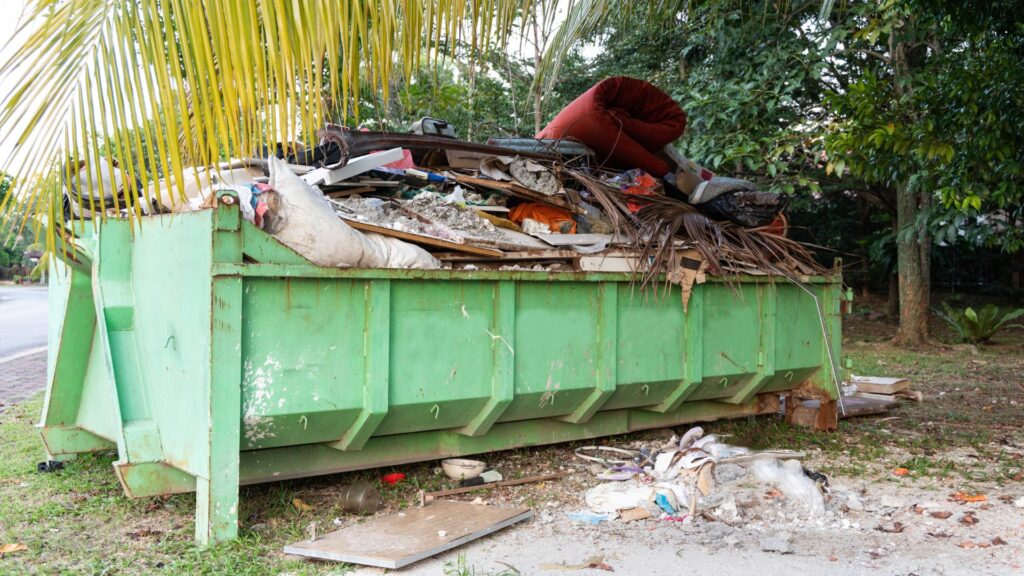
Donating and Repurposing Items Before Recycling
Before sending items to a recycling facility, considering donation and repurposing is an effective way to extend the life of goods. Items in good condition, including furniture, appliances, or clothing, can benefit communities, charities, or organizations that rely on second-hand resources. Donation reduces waste, saves landfill space, and provides practical assistance to those in need. Repurposing also encourages creativity, allowing old items to be adapted for new functions within homes or businesses. This approach reduces environmental strain by delaying entry into the waste stream and promotes sustainability on a local level. Repurposing and donation require a thoughtful approach to ensure items are usable. Proper cleaning, minor repairs, and packaging make it more likely that recipients can benefit from these materials. Furniture may be refinished, electronics repaired, or clothing washed and mended.
Managing Hazardous Materials Responsibly
Hazardous materials present unique challenges during junk removal and recycling. Items like paints, chemicals, batteries, and electronics require careful handling to avoid environmental contamination. Local regulations often dictate specific disposal procedures for hazardous waste, making awareness and compliance essential. Mishandling these materials can lead to pollution, health risks, and fines. By separating hazardous items from general recyclables and consulting proper disposal guidelines, individuals ensure that these substances are managed safely. Responsible handling protects sanitation workers, the surrounding environment, and the community while maintaining the integrity of recyclable materials. Disposal of hazardous items may also involve specialized facilities or collection events. Many municipalities host hazardous waste drop-off days, while some recycling centers accept certain types of chemicals or batteries. These tools also provide updates on local recycling regulations, ensuring compliance and minimizing mistakes that could compromise material recovery.
Educating Household Members on Recycling Practices
Educating household members about proper recycling is essential to long-term waste management success. Everyone involved in the junk removal process should understand the distinctions between recyclables, hazardous materials, and general waste. Awareness reduces the risk of contamination and enhances the efficiency of sorting and disposal efforts. Simple educational strategies such as labeling bins, creating reference guides, and demonstrating proper disposal techniques help embed recycling habits within the household. Consistent education ensures that recycling becomes a natural part of the cleanup process rather than a last-minute afterthought. Involving household members also encourages shared responsibility and fosters sustainable habits. Children, adults, and extended family can all participate in sorting, cleaning, and preparing materials for recycling. By working together, households achieve higher recycling rates and reduce the environmental impact of junk removal.
Tracking and Improving Recycling Performance
Tracking recycling performance during junk removal helps measure success and identify areas for improvement. Keeping records of the types and quantities of materials recycled allows households and businesses to monitor trends, reduce waste, and adjust strategies as needed. Data collection can include the volume of metals, plastics, paper, and electronics diverted from landfills, providing tangible insights into the effectiveness of current practices. Regular review of these metrics ensures that recycling efforts remain intentional, efficient, and aligned with environmental objectives. Improvement also comes from adapting strategies based on tracking results. If certain materials consistently end up in landfill waste due to misidentification, additional education, better sorting tools, or alternative facility options may be necessary. Tracking performance creates a feedback loop that encourages continuous enhancement of recycling practices.
Integrating Recycling Into Regular Junk Removal Routine
Making recycling an integral part of routine junk removal transforms occasional cleanup into consistent sustainability practice. Rather than viewing recycling as an optional task, incorporating it into every removal project ensures that waste is managed responsibly and efficiently. Establishing a habitual system of sorting, cleaning, and transporting recyclables reduces confusion, saves time, and minimizes environmental impact. Routine integration also allows households and businesses to anticipate needs, maintain adequate storage, and identify the right facilities for processing various materials, creating a seamless and proactive recycling approach. Consistent practice encourages long-term benefits for both the environment and the community. Regular recycling reduces landfill reliance, supports circular economy initiatives, and reinforces sustainable habits across all members of a household or organization. Integrating these practices into everyday life fosters a culture of environmental responsibility, making it second nature to evaluate the potential of each item before disposal.
Conclusion
Recycling during junk removal is a multifaceted process that requires knowledge, preparation, and careful execution. By identifying recyclable materials, sorting efficiently, preparing items, choosing the right facilities, and managing hazardous waste, individuals can ensure their junk removal projects are environmentally responsible and highly effective. Incorporating technology, educating household members, tracking performance, and integrating recycling into regular routines further enhance sustainability and efficiency. Every effort made to handle junk responsibly contributes to reducing landfill waste, conserving resources, and supporting broader environmental goals. Dirty Deeds Junk Removal Los Angeles is ready to assist with professional recycling and junk removal services in Los Angeles. Contact us at +12136012778 for reliable solutions that prioritize both your space and the environment.