
Maintaining a yard is more than just a weekend chore; it is a delicate balance between nurturing greenery and managing the debris that comes with it. Leaves, branches, grass clippings, and other organic materials accumulate quickly, turning a once-pristine outdoor space into a cluttered landscape. Many homeowners overlook how improper disposal of yard waste can affect not only the appearance of their property but also the environment. From the potential for attracting pests to the slow decomposition of organic matter, leaving waste unattended can have far-reaching consequences. This guide is designed to simplify the process of yard waste disposal, offering practical advice and strategies to handle it efficiently. Whether you are clearing out a small garden or tackling a larger landscaping project, understanding the methods, tools, and professional services available can transform what seems like a daunting task into a manageable, even rewarding, activity. With a thoughtful approach, your yard can stay clean, sustainable, and inviting throughout the year.
Proper Techniques for Collecting Yard Waste
Collecting yard waste might seem straightforward, but the techniques you use can drastically change the efficiency and environmental impact of your efforts. Instead of tossing debris randomly into piles, consider separating materials by type, such as leaves, branches, grass clippings, and shrub trimmings. Each material decomposes at a different rate, and separating them allows for easier composting or recycling. Using the right tools is equally important. Rakes, leaf blowers, pruners, and wheelbarrows reduce manual labor and speed up the cleanup process while minimizing strain on your body. Attention to detail can turn a tedious chore into an organized activity that leaves your yard ready for growth and seasonal beauty.
Benefits of Composting Yard Waste
Composting yard waste is a natural process that transforms leaves, grass clippings, and other organic matter into nutrient-rich soil. This technique provides a sustainable way to handle debris while simultaneously enriching your garden. Composting reduces the volume of waste sent to landfills, cutting down on methane emissions that contribute to climate change. By repurposing yard waste, homeowners create a closed-loop system where waste becomes a valuable resource rather than a burden. The process also enhances soil structure, retains moisture, and provides essential nutrients to plants, encouraging healthier growth and vibrant landscapes. To start composting effectively, it is important to understand the balance between green and brown materials.
Seasonal Strategies for Yard Waste Disposal
Managing yard waste effectively requires attention to the seasons and their unique challenges. In the fall, leaves accumulate quickly, creating thick layers that can smother grass and plants if left unattended. During spring and summer, frequent mowing and trimming produce substantial amounts of clippings that can overwhelm simple disposal methods. Seasonal strategies involve planning cleanup schedules, choosing appropriate storage or composting methods, and employing tools that match the type of debris most common in that period. Adapting to the rhythm of the seasons ensures your yard remains neat and healthy throughout the year. Winter presents a different set of considerations, as frozen or wet waste can be heavy and difficult to handle. Preparing in advance by trimming dead branches and clearing away excess foliage before the first frost can simplify cleanup.
Choosing the Right Tools for Yard Waste Removal
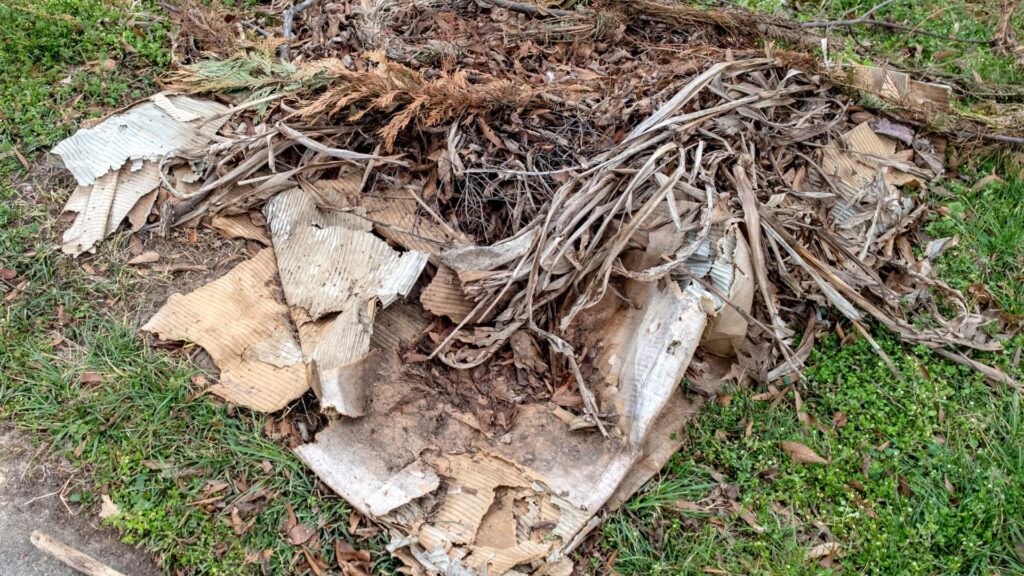
The tools you choose for yard waste removal directly impact both efficiency and safety. Rakes, leaf blowers, pruning shears, wheelbarrows, and gloves are essential for handling debris with precision and ease. The right equipment reduces physical strain and speeds up the process, allowing for larger areas to be cleared in less time. For heavier branches or stubborn debris, loppers or saws provide the necessary leverage to cut materials into manageable sizes. Investing in quality tools ensures longevity and performance, ultimately making yard maintenance less stressful and more productive. Proper tool usage also plays a role in preventing injuries and minimizing accidental damage to your yard. Leaf blowers and rakes should be used with awareness of surrounding plants to avoid disturbing fragile growth, while pruning tools should be regularly sharpened to ensure clean cuts that encourage healthy regrowth.
Yard Waste Pickup Services Explained
Professional yard waste pickup services offer a convenient solution for homeowners looking to simplify debris removal. These services provide scheduled pickups, often tailored to the volume and type of waste generated. By outsourcing the labor-intensive aspects of cleanup, homeowners can save time and reduce the physical burden associated with yard maintenance. Service providers typically sort and transport waste to recycling or composting facilities, ensuring environmentally responsible disposal practices. This approach is ideal for individuals with limited time, large properties, or challenging landscapes where DIY cleanup may be inefficient or overwhelming. Choosing the right service involves assessing factors such as frequency, cost, and waste handling methods. Some providers offer one-time pickups for seasonal cleanups, while others provide recurring services to maintain a consistently clean yard.
Environmental Considerations in Yard Waste Disposal
Proper yard waste disposal has far-reaching environmental implications. Leaving debris to decompose improperly can contribute to methane emissions and attract pests, while burning yard waste releases harmful pollutants into the atmosphere. Environmentally conscious disposal practices, including composting, mulching, and professional recycling services, reduce these negative effects and create beneficial outcomes for the local ecosystem. By thinking beyond convenience, homeowners play a critical role in protecting soil, water, and air quality. Each piece of organic material managed correctly contributes to a healthier environment. In addition to reducing emissions, responsible disposal practices enhance the resilience of gardens and landscapes. Compost and mulch improve soil fertility, prevent erosion, and retain moisture during dry periods. They also support microbial life and beneficial insects, fostering a thriving natural habitat. Implementing environmentally sound strategies requires planning, knowledge, and commitment, but the rewards extend well beyond aesthetic appeal.
Creative Ways to Repurpose Yard Waste
Yard waste can serve as more than just debris; with creativity, it becomes a resource for enhancing your outdoor spaces. Leaves, grass clippings, and small branches can be transformed into mulch, compost, garden borders, or decorative features. By viewing waste through a lens of possibility, homeowners can reduce disposal needs while adding functional or aesthetic value to their yards. Repurposing also encourages a closer connection to natural cycles, allowing organic matter to contribute to soil health, water retention, and plant growth. One popular approach is creating layered mulch paths or garden beds using leaves and small branches. Grass clippings can be incorporated into compost bins to accelerate decomposition or sprinkled around plants to retain moisture. Even larger branches can be used as natural supports for garden structures or wildlife habitats.
Common Mistakes to Avoid in Yard Waste Disposal
Despite good intentions, many homeowners make mistakes that complicate yard waste management. Piling wet debris can lead to mold, mildew, and pest infestations, while mixing organic waste with non-compostable items hinders recycling efforts. Failure to separate materials, overlook local disposal regulations, or ignore proper protective equipment can result in inefficiency, hazards, or fines. Recognizing and avoiding these pitfalls is crucial for effective and responsible yard maintenance. Another common mistake involves procrastination. Delaying cleanup allows waste to accumulate and decompose improperly, making removal more labor-intensive and potentially damaging plant life or lawns. Additionally, relying solely on burning debris or dumping it illegally can have legal and environmental repercussions.
Safe Handling and Storage of Yard Waste
Proper handling and storage of yard waste is essential to prevent injury, disease, and environmental hazards. Wearing gloves, using ergonomic tools, and lifting with care minimizes strain and reduces the risk of accidents. Storing yard debris in designated containers or compost bins keeps pathways clear, prevents waterlogging, and avoids creating breeding grounds for insects or rodents. Thoughtful storage practices also facilitate timely removal and efficient recycling or disposal. In addition to safety considerations, proper storage preserves the quality of compostable materials. Leaves and grass clippings that are allowed to dry slightly before composting decompose more effectively, while branches and twigs stored in a dry location resist rot and mold. Organizing waste by type ensures that each material can be processed in the most effective way, whether through pickup services, composting, or mulching.
Planning a Yard Waste Disposal Schedule
Consistency is key in effective yard waste management, and developing a structured schedule can transform a sporadic chore into an efficient routine. Planning weekly, bi-weekly, or seasonal cleanups helps prevent debris from accumulating and ensures timely disposal. A schedule also allows homeowners to allocate resources effectively, including tools, manpower, and professional services. By treating yard maintenance as a recurring task, you reduce stress, labor, and the likelihood of mistakes or environmental impact. Scheduling yard waste disposal also supports sustainability efforts. By timing pickups or composting sessions appropriately, organic materials can be processed while still fresh and nutrient-rich, maximizing their environmental benefits. Consistent routines reinforce good habits and make yard care more predictable, preventing the overwhelming piles that often accompany neglected landscapes.
Conclusion
Managing yard waste requires knowledge, planning, and commitment, but the rewards extend well beyond mere tidiness. By implementing effective collection techniques, using the right tools, considering seasonal changes, and exploring professional services, homeowners can simplify the process while promoting environmental sustainability. Composting and repurposing organic debris transform waste into valuable resources, while thoughtful storage and scheduling prevent hazards and inefficiency. Each step contributes to a healthier, more attractive yard and a positive impact on the surrounding ecosystem. For residents of Los Angeles seeking assistance with yard waste removal, Dirty Deeds Junk Removal Los Angeles provides expert services designed to make disposal convenient, efficient, and environmentally responsible. With professional handling, timely pickups, and a commitment to sustainability, your yard can remain beautiful and clutter-free throughout the year. Contact Dirty Deeds Junk Removal Los Angeles at +12136012778 to experience professional, hassle-free yard waste management tailored to your needs.