
Construction sites are vibrant arenas of creation, yet they often leave behind a chaotic trail of leftover materials, dust, and debris. From shards of wood and scraps of metal to broken tiles and excess concrete, the remnants of a construction project can quickly accumulate into a hazardous environment. Proper management of this waste is essential not only for safety but for efficiency and environmental responsibility. Debris removal requires a structured approach, blending careful planning, effective disposal methods, and a clear understanding of regulatory guidelines. For both residential and commercial projects, learning how to navigate the intricacies of construction debris ensures a safer workspace, a cleaner neighborhood, and a smoother workflow. Beyond safety and tidiness, debris removal has financial and operational implications. Unchecked waste can delay projects, increase labor costs, and even attract penalties for improper disposal. By approaching the cleanup systematically, contractors, project managers, and homeowners can maintain momentum while also demonstrating a commitment to responsible building practices. This guide will walk readers through practical steps, innovative solutions, and strategies that turn the often daunting task of debris removal into a streamlined, manageable process.
Efficient Planning for Construction Debris Management
Every effective debris removal project begins with thorough planning. Assessing the site, understanding the types of waste generated, and determining appropriate disposal methods set the foundation for a smooth process. Construction debris is often diverse, ranging from wood, drywall, and concrete to metal scraps and packaging materials. Categorizing waste helps in choosing the right disposal or recycling avenues. Planning should also include estimating the volume of debris, arranging suitable transportation, and securing any necessary permits for large-scale removal. A clear blueprint of these steps minimizes surprises and ensures that the team can work efficiently without unnecessary delays or hazards. Planning also extends to allocating resources wisely. Assigning responsibilities to team members, ensuring protective equipment is available, and scheduling debris removal alongside ongoing construction activities helps maintain a seamless workflow.
Sorting and Segregating Debris for Optimal Disposal
Sorting construction debris is more than a simple chore; it is a strategic step that maximizes efficiency and recycling potential. Different materials require different handling, and proper segregation reduces environmental impact while cutting down disposal costs. Wood, metal, concrete, plastics, and hazardous materials all need distinct pathways for removal. For instance, metals can often be recycled, concrete can be crushed and reused, while hazardous substances demand specialized treatment. By segregating waste at the source, workers reduce cross-contamination, improve safety, and streamline transport to appropriate facilities. This systematic sorting also helps in compliance with local regulations regarding construction waste disposal. Implementing effective sorting techniques involves setting up designated areas or bins for each type of material. Clear labeling and staff training are critical to ensure that materials are not mixed inadvertently. This approach not only supports environmental responsibility but also boosts operational efficiency.
Tools and Equipment Essential for Debris Removal
The right tools and equipment can dramatically change the pace and safety of construction debris removal. Shovels, wheelbarrows, industrial brooms, and dustpans are basic essentials, while heavy-duty machinery like skid steers, mini-excavators, and dump trucks handle larger or denser materials. Safety gear such as gloves, goggles, steel-toe boots, and masks are equally crucial, protecting workers from sharp objects, dust, and chemical residues. Using specialized equipment not only reduces physical strain but also improves efficiency, allowing debris to be removed and transported quickly without interrupting the construction timeline. Beyond machinery, planning the layout and movement paths for debris collection enhances workflow. Designated drop zones, clear access routes, and strategic staging areas prevent congestion on the site.
Safety Protocols During Debris Removal
Construction debris removal can be hazardous if safety protocols are overlooked. Sharp nails, broken glass, unstable piles of materials, and dust clouds present risks of cuts, falls, and respiratory issues. Establishing clear safety guidelines is essential, including personal protective equipment usage, proper lifting techniques, and restricted access zones for non-essential personnel. Ensuring workers are briefed on potential hazards and emergency procedures reduces the likelihood of accidents and promotes a culture of safety across the site. Safety protocols also extend to equipment operation and waste handling. Heavy machinery should only be operated by trained personnel, and hazardous materials must be stored and transported according to regulations. Regular site inspections help identify emerging risks, such as uneven surfaces or loose debris, and allow for timely corrective action.
Efficient Loading and Transportation Strategies
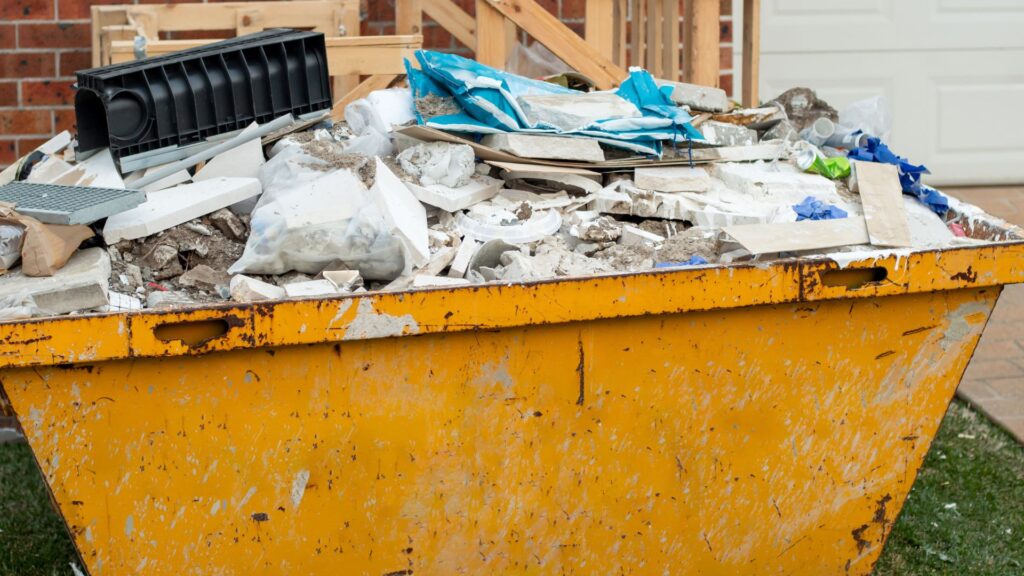
Once debris is sorted, the next step is efficient loading and transportation. Proper techniques reduce the risk of injury, prevent spillage, and optimize trips to disposal or recycling facilities. Using bins, containers, or heavy-duty bags suitable for the type of debris ensures secure handling. When dealing with bulk waste, coordination with trucks or dumpsters ensures loads are maximized without exceeding safety limits. Careful stacking and balancing of materials prevent accidents during transit and protect equipment from damage. Transportation strategies also involve route planning and timing. Coordinating with local disposal sites or recycling centers prevents unnecessary waiting, while considering traffic patterns or construction schedules minimizes disruptions. Loading should prioritize heavier items at the bottom with lighter materials on top, preventing toppling during transport.
Eco-Friendly Disposal Practices
Sustainability is a growing priority in construction debris removal. Many materials, such as metals, concrete, and certain plastics, can be recycled or repurposed, reducing landfill contributions. Identifying items suitable for reuse or donation further supports eco-friendly practices. Hazardous materials like paint, solvents, or asbestos require careful handling and adherence to environmental regulations, preventing contamination and long-term ecological harm. Implementing these practices not only aligns with legal requirements but also positions construction projects as responsible and conscientious. Eco-friendly disposal also includes reducing waste at the source by optimizing material usage and planning for excess. Sorting debris for recycling, choosing reusable materials, and engaging specialized disposal services demonstrate a commitment to sustainable construction practices. Construction teams can also collaborate with recycling centers or donation programs to divert usable materials from landfills. Integrating environmentally conscious strategies into debris removal protects the planet while enhancing the reputation of builders and contractors, transforming routine cleanup into a contribution toward sustainable development.
Hiring Professional Debris Removal Services
For large-scale or complex construction projects, hiring professional debris removal services is often the most efficient choice. These companies bring expertise, equipment, and workforce capable of handling extensive waste streams quickly and safely. Professionals also ensure compliance with local disposal regulations and environmental standards, reducing legal risks for project managers. By outsourcing, construction teams can focus on building activities without interruptions from labor-intensive cleanup, improving overall project efficiency. Professional services offer flexible solutions tailored to the project’s size and type. They provide appropriate containers, transportation, and recycling options, ensuring debris is managed responsibly. With trained staff and systematic workflows, these services mitigate hazards and maintain site organization. Engaging experts also guarantees timely completion, reducing downtime caused by accumulating waste.
Cost Considerations in Debris Removal
Managing construction debris involves more than physical labor—it also requires careful budgeting. Costs vary based on the volume and type of waste, disposal or recycling fees, transportation, and whether professional services are employed. Planning ahead helps avoid unexpected expenses and ensures funds are allocated for essential cleanup without compromising other project needs. Efficient waste management reduces repeated trips to disposal sites, maximizes recycling opportunities, and ultimately lowers overall project costs. Cost considerations also include indirect factors like labor hours, potential safety incidents, and environmental compliance. Poorly managed debris can delay construction, attract fines, and increase liability, impacting project budgets. Investing in organized removal strategies, training, and professional assistance may seem higher initially but often results in long-term savings. By balancing cost efficiency with safety and environmental responsibility, construction teams can manage debris effectively while preserving financial resources for the broader project scope.
Timing and Scheduling Debris Removal
Effective debris removal depends heavily on timing and scheduling. Coordinating cleanup activities alongside construction milestones ensures the site remains navigable and safe. Removing debris at the right intervals prevents accumulation that can hinder workflow, while planning regular collection avoids last-minute chaos. A staggered schedule aligned with project phases allows for continuous construction without obstructions, maintaining productivity. Scheduling also takes into account availability of transport services, regulatory pickup schedules, and disposal site hours. Integrating debris removal into the broader construction timeline reduces downtime and prevents costly delays. Advanced planning ensures labor, equipment, and vehicles are synchronized, making the removal process seamless. By treating debris removal as an integral part of project scheduling, construction teams maintain efficiency, safety, and organization from groundbreaking to completion.
Common Mistakes to Avoid During Debris Removal
Construction debris removal may seem straightforward, but several pitfalls can complicate the process. Failing to sort materials properly, overlooking safety measures, underestimating volume, or ignoring environmental regulations can create hazards, delays, and extra costs. Awareness of these mistakes allows teams to anticipate challenges, implement preventive strategies, and maintain a smooth workflow. Proper planning, training, and resource allocation are essential to avoiding these common errors. Other mistakes include poor communication between staff, lack of protective equipment, and improper handling of hazardous materials. These issues can lead to accidents, regulatory fines, and inefficient removal operations. Regular site audits, clear procedural guidelines, and collaboration with professional services mitigate risks and maintain site order.
Conclusion
Construction debris removal is a multi-faceted task requiring careful planning, resource management, and adherence to safety and environmental protocols. From sorting and transporting waste to employing eco-friendly practices or hiring professional services, every step contributes to a safer, more efficient construction site. Proper debris management enhances project productivity, reduces financial risk, and supports sustainable building practices. For dependable construction debris removal services, contact Dirty Deeds Junk Removal Los Angeles located in Los Angeles at +12136012778. Their team offers professional, efficient, and environmentally responsible solutions tailored to meet the needs of any construction project.