
Properly handling electronics disposal has become more critical than ever as technology continues to advance at a rapid pace. Old devices, from smartphones to televisions, contain hazardous materials that can pollute the environment if discarded carelessly. At the same time, they often house valuable metals and components that can be reused or recycled. Understanding the right methods to dispose of electronics responsibly is essential for protecting natural resources, minimizing environmental damage, and ensuring safety for communities. Beyond environmental considerations, proper disposal also safeguards sensitive personal data stored on devices, preventing it from falling into the wrong hands. While the challenge of managing electronic waste may seem overwhelming, taking small, informed steps can make a significant difference. From identifying local recycling centers to using professional junk removal services, there are various avenues to handle electronics in a manner that benefits both society and the planet. Making responsible choices today ensures a cleaner and safer environment for tomorrow.
Safe Methods for Recycling Old Electronics
Recycling electronics is more than just a responsible choice; it is a practical approach to preserving resources and reducing landfill waste. Devices like laptops, tablets, and televisions contain metals and plastics that can be repurposed into new products, decreasing the demand for raw materials. Many local recycling centers accept electronic waste and ensure proper separation and processing of components. Before recycling, it is crucial to remove any personal data and batteries, as these require separate handling. Properly sorted electronics are then dismantled, with metals extracted for reuse, plastics recycled, and hazardous materials disposed of safely. This process not only keeps harmful substances out of the environment but also contributes to the circular economy.
Preventing Data Breaches Through Responsible Disposal
One of the often-overlooked aspects of electronics disposal is the potential risk of data breaches. Personal information stored on devices can be extracted if the hardware is not properly sanitized. Hard drives, memory cards, and mobile devices may contain sensitive details such as passwords, financial data, and personal communications. Simply throwing away electronics without taking precautions exposes individuals to identity theft and fraud. Secure disposal begins with data wiping, which can be accomplished through specialized software or by physically destroying storage components. Ensuring that all traces of personal data are removed before recycling or disposal protects privacy while also contributing to environmentally safe practices. Being mindful of data security is a crucial part of responsible electronics disposal. Beyond personal safeguards, businesses must also take proactive steps when disposing of electronic equipment. Compliance with privacy laws and data protection regulations is essential to avoid legal repercussions.
Donating Electronics to Extend Their Lifespan
Donating working electronics is a practical and socially responsible way to extend the life of devices while supporting communities in need. Devices that are still functional can provide valuable resources to schools, nonprofit organizations, and low-income families. Donating reduces electronic waste while simultaneously benefiting individuals who might not otherwise have access to modern technology. It is important to ensure that donated devices are cleaned, reset to factory settings, and include all necessary accessories. By extending the usability of electronics, donation programs help conserve resources and promote equitable access to technology. This approach transforms old gadgets into tools for education, productivity, and connectivity. Choosing donation as a method of disposal also encourages thoughtful consideration of device condition and usability. Electronics that are too old or damaged for donation should still be processed through certified recycling channels.
Understanding the Environmental Impact of Electronic Waste
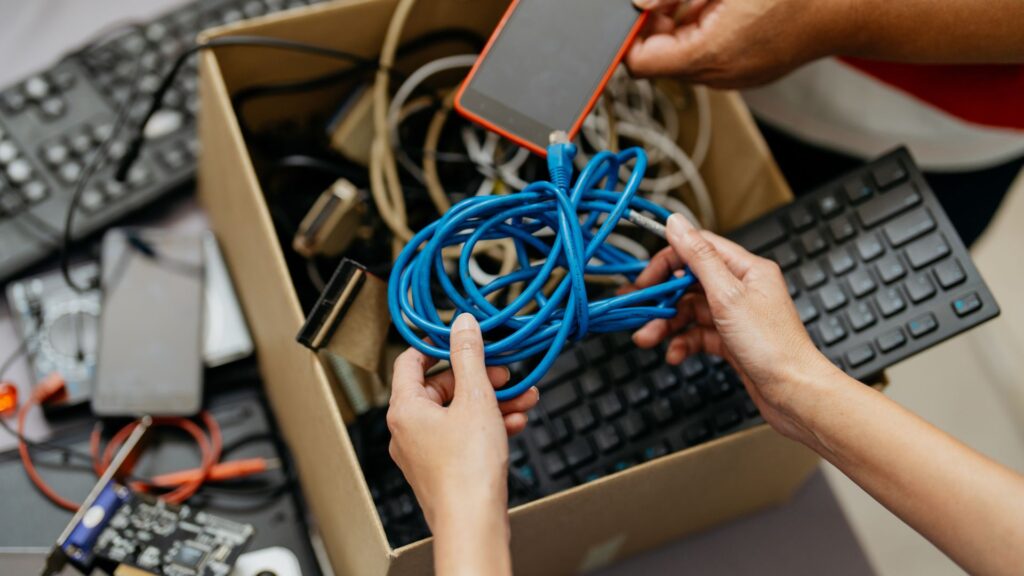
Electronic waste poses significant environmental risks due to the presence of toxic substances such as lead, mercury, and cadmium. Improper disposal, such as dumping devices in landfills or incineration, releases these chemicals into soil, water, and air. Contamination can harm wildlife, disrupt ecosystems, and pose long-term health hazards to humans. Beyond toxicity, discarded electronics contribute to the growing global waste problem, occupying space and requiring energy-intensive management solutions. By understanding these environmental implications, individuals are better equipped to make informed disposal decisions. Awareness of the hazards associated with electronic waste encourages responsible practices and sustainable behaviors. Taking steps to mitigate environmental damage involves both individual action and community participation. Recycling, donation, and professional junk removal services provide structured approaches for minimizing ecological harm.
Utilizing Professional Junk Removal Services for Electronics
Professional junk removal services offer a convenient and reliable solution for disposing of large quantities of electronic waste. These services handle collection, transportation, and processing, ensuring that devices are recycled or disposed of according to regulations. For individuals and businesses with outdated equipment or large volumes of electronics, professional help saves time, reduces hassle, and guarantees responsible handling. Service providers often offer scheduled pickups, on-site assessment, and secure data destruction for sensitive electronics. By using professionals, customers can avoid the pitfalls of improper disposal while supporting environmental sustainability. Working with a certified service provider also increases confidence that electronics will be managed ethically. These companies often partner with certified recyclers and charities, allowing devices to be sorted efficiently for recycling, donation, or safe disposal. Many services provide transparent tracking of materials and offer documentation of responsible handling. This ensures accountability and adherence to local regulations.
Selling Electronics as a Sustainable Disposal Option
Selling old electronics presents an opportunity to generate value while keeping devices in circulation. Platforms for resale allow functional gadgets to be refurbished and purchased by new users, reducing waste and extending product lifespan. Before selling, it is essential to clean devices, remove personal data, and assess market value. Resale encourages responsible consumption, as buyers obtain affordable technology and sellers benefit financially. This approach transforms obsolete electronics into resources for others, creating a win-win scenario. Every device sold represents a reduction in potential waste and a contribution to a more sustainable consumption cycle. In addition to individual sales, businesses can take advantage of trade-in programs and resale partnerships with certified companies.
Navigating Local Regulations for Electronics Disposal
Disposal of electronics is governed by various local regulations designed to prevent environmental harm and promote responsible handling. Understanding these rules is crucial for both individuals and businesses to avoid fines and ensure compliance. Regulations often specify collection points, processing methods, and restrictions on certain hazardous components. Familiarizing oneself with authorized recycling centers, community programs, and manufacturer take-back schemes simplifies the disposal process. Compliance ensures that electronic waste is managed safely, protecting both the environment and public health. Staying informed about local policies allows for responsible decision-making and proactive participation in waste reduction initiatives. Adhering to regulations also creates opportunities to leverage available resources. Many communities offer free electronics collection events or subsidized recycling programs. Certified professional services are well-versed in legal requirements and can provide guidance on proper disposal methods. Following local rules enhances environmental protection while minimizing personal or business liability. Being aware of legal obligations ensures that electronic disposal aligns with sustainable practices and community standards. Proper navigation of local regulations strengthens the effectiveness of recycling, donation, and professional removal efforts.
Creative Ways to Repurpose Electronics
Repurposing electronics can be a fun and innovative way to extend the life of devices while reducing waste. Old smartphones can become dedicated media players, security cameras, or smart home controllers. Monitors and laptops can be converted into digital photo frames or educational tools. Creative reuse not only reduces environmental impact but also encourages resourcefulness and experimentation. Small repairs, component swaps, or creative modifications can transform obsolete gadgets into functional, entertaining, or decorative items. Repurposing extends product life, conserves materials, and fosters innovation in sustainable living. Successful repurposing begins with understanding device functionality and potential applications. Even partially broken devices can provide valuable parts for DIY projects or educational experiments. Online communities and tutorials offer guidance for transforming electronics in imaginative ways.
Choosing Environmentally Certified Electronics for Future Use
Selecting environmentally certified electronics can reduce the long-term impact of technology use. Devices with energy efficiency ratings, recycled materials, or certification labels demonstrate a commitment to sustainability. Choosing products designed with durability and repairability in mind also reduces the need for frequent replacements. Awareness of product lifecycle, manufacturing practices, and end-of-life management options helps consumers make informed decisions that align with eco-conscious values. By prioritizing certified electronics, individuals support environmentally responsible manufacturers and contribute to a culture of sustainability. Incorporating certified electronics into purchasing decisions also complements responsible disposal practices. When devices reach the end of their lifespan, certified products often come with manufacturer-supported recycling programs or trade-in options.
Educating Communities on Electronics Disposal Awareness
Raising awareness about proper electronics disposal is essential for fostering environmentally responsible communities. Education empowers individuals to make informed decisions about recycling, donation, resale, and safe disposal methods. Community programs, workshops, and school initiatives provide practical guidance on managing electronic waste effectively. Awareness campaigns highlight the environmental risks of improper disposal, the value of resource recovery, and the importance of data security. Informed communities are more likely to participate actively in sustainable practices and encourage others to follow suit. Knowledge dissemination strengthens collective efforts to reduce electronic waste and its ecological footprint.
Conclusion
Handling electronics disposal responsibly requires a combination of knowledge, foresight, and access to the right services. From recycling and donation to secure data destruction and professional junk removal, there are numerous ways to manage electronic waste sustainably. Thoughtful disposal not only reduces environmental impact but also extends device lifespan, protects personal data, and supports a culture of conscious consumption. By incorporating these strategies into everyday practices, individuals and businesses can actively participate in reducing electronic waste and promoting sustainability. For residents and businesses in Los Angeles seeking reliable and environmentally responsible electronics removal, Dirty Deeds Junk Removal Los Angeles provides expert services. Their team ensures secure, compliant, and efficient handling of all electronic devices. Contact them today at +12136012778 to manage your electronics disposal safely and responsibly.