
Owning a hot tub can be a luxurious escape, a private sanctuary where you soak away the stresses of everyday life. Yet, there comes a time when even the most cherished backyard retreat needs to be removed, whether due to age, malfunction, or simply the desire to reclaim outdoor space. Hot tub removal is often underestimated in complexity, and attempting it without careful planning can lead to damage to your property, personal injury, or unnecessary expense. Homeowners must navigate structural considerations, water disposal regulations, and safe handling of heavy components that can weigh several hundred pounds. Understanding the proper steps for dismantling, draining, and transporting a hot tub ensures not only safety but also efficiency, preserving your landscaping and minimizing environmental impact. By taking a methodical approach, you can transform a potentially daunting task into a manageable project that clears the way for new possibilities in your backyard. Expert guidance and preparation are essential for a smooth and stress-free removal process.
Hot Tub Removal Safety Guidelines for Homeowners
Removing a hot tub requires more than just brute strength; it demands attention to safety protocols and awareness of potential hazards. The first step involves assessing the surrounding area and ensuring that the path for moving the tub is clear and free of obstacles that could cause trips or falls. Proper protective gear is essential, including gloves, safety goggles, and sturdy footwear, to prevent injuries from sharp edges or unexpected slips. Considering the weight and bulk of a hot tub, it is crucial to enlist the help of multiple people or professional movers to reduce the risk of accidents. Careful coordination during lifting, tilting, or sliding the tub can prevent damage to your deck, patio, or lawn while safeguarding your own well-being. By prioritizing safety at every stage, homeowners can minimize stress and avoid common pitfalls associated with DIY hot tub removal. Planning for electrical disconnection and water drainage is equally important.
Preparing Your Backyard for Hot Tub Removal
Before physically removing a hot tub, it is essential to prepare your backyard to accommodate the process efficiently. Clearing surrounding furniture, plants, and decorative elements creates an unobstructed path for moving the heavy structure. Checking for uneven terrain or fragile surfaces allows you to lay protective mats, plywood, or boards to prevent damage and facilitate smooth transportation. Mapping out the exit route in advance reduces the chance of last-minute obstacles that could disrupt the removal process. By taking the time to properly stage your backyard, homeowners save time and energy, creating a safer and more organized environment for the work ahead. Preparation is a crucial step in ensuring the process flows without surprises or damage to landscaping features. Understanding the space requirements also aids in determining whether specialized equipment will be needed. Some hot tubs require dollies, hoists, or even small cranes to lift them safely, especially when navigating narrow gates or stairs. Considering where the tub will be temporarily staged or how it will be transported out of the property helps homeowners make practical arrangements for disposal or recycling.
Choosing Between DIY and Professional Hot Tub Removal
Deciding whether to tackle hot tub removal yourself or hire professionals is a key step that influences the complexity, cost, and safety of the project. DIY removal can be appealing for budget-conscious homeowners, but it requires careful planning, multiple helpers, and the proper tools to handle the weight and size of the tub. Attempting removal without experience may lead to injury, damage to your property, or prolonged frustration. Professionals bring expertise, specialized equipment, and efficiency, allowing the process to be completed quickly while mitigating risks. Understanding the demands of the task helps homeowners make an informed decision that aligns with their resources, physical capacity, and safety priorities. Professional removal services often include transportation and disposal, which eliminates the need for homeowners to arrange bulky junk removal or handle hazardous materials.
Proper Tools and Equipment for Hot Tub Removal
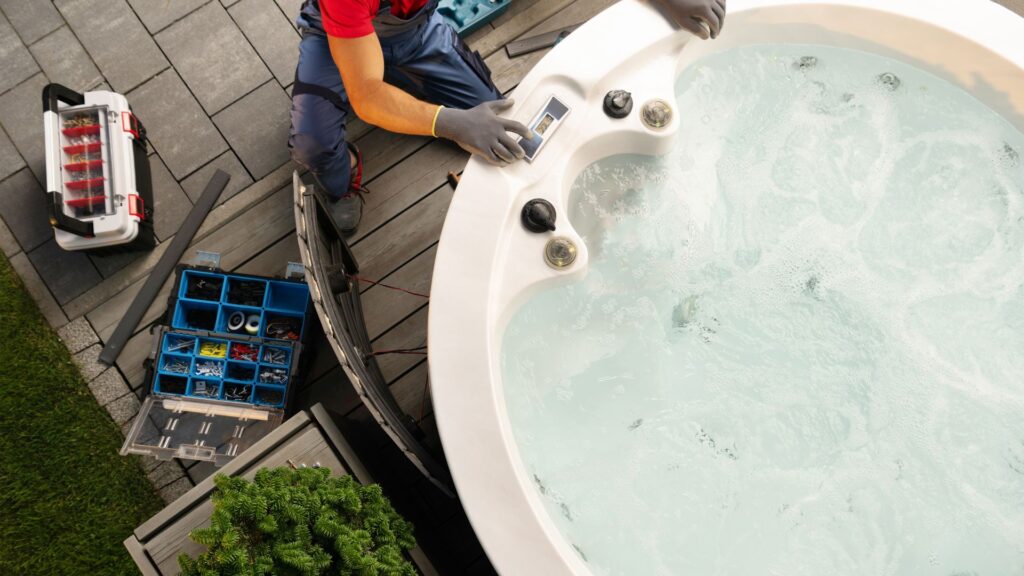
Having the right tools and equipment is critical for a successful and safe hot tub removal. Essential items include heavy-duty moving straps, dollies, pry bars, and protective blankets or plywood to safeguard floors and landscaping. These tools help distribute the weight evenly, reduce strain on your back, and prevent scratches or dents to surrounding surfaces. Access to appropriate lifting aids or mechanical assistance allows homeowners to navigate challenging obstacles, including stairs or narrow pathways, without risking injury. Preparation and the right equipment ensure that the removal process is controlled, efficient, and reduces the likelihood of unexpected setbacks or accidents. In addition to moving tools, homeowners must consider drainage and disconnection equipment. Hoses, pumps, and wrenches are necessary for safely draining water and detaching plumbing or electrical components. Having a clear plan for temporarily staging the tub or securing it during transportation is equally important.
Environmental Considerations in Hot Tub Disposal
Responsible hot tub removal goes beyond logistics; environmental considerations play a significant role in ensuring that the process aligns with sustainable practices. Disposing of water, foam insulation, and other materials must comply with local regulations to prevent pollution or contamination. Recyclable components, such as metal, plastic, and fiberglass, should be separated and delivered to appropriate recycling facilities to minimize landfill waste. By adopting eco-friendly practices, homeowners contribute to environmental preservation while avoiding legal or municipal penalties associated with improper disposal. Awareness of sustainability practices encourages conscientious handling of discarded materials and fosters a responsible approach to property improvement projects. Water drainage is a critical component of eco-friendly removal. Avoiding direct runoff into storm drains or sensitive areas protects local ecosystems and prevents flooding or erosion in your yard.
Strategies for Moving Heavy Hot Tubs Safely
Moving a hot tub requires careful strategy and teamwork to prevent injury and property damage. Coordinating multiple helpers, using lifting straps, and employing dollies or hand trucks helps distribute weight evenly and provides stability during transport. Proper communication among participants ensures that everyone is aware of lifting points, turns, and adjustments, reducing the likelihood of accidents. Timing movements carefully, taking breaks when necessary, and assessing progress frequently help avoid strain and fatigue, which are common causes of mishaps in heavy lifting tasks. Planning for potential obstacles, including doorways, gates, or uneven surfaces, makes navigation safer and more efficient. Understanding the center of gravity and the balance of the tub is also crucial. Tilting or sliding the tub without proper support can lead to tipping or sudden shifts in weight, which pose serious hazards.
Hot Tub Drainage Techniques for Homeowners
Efficient water drainage is a critical step in hot tub removal that affects both safety and ease of transport. Draining the tub gradually using pumps or hoses prevents sudden overflow, soil erosion, or water pooling that could damage your backyard. Ensuring that water is redirected to appropriate areas, such as garden beds or approved drainage systems, reduces the impact on surrounding vegetation and maintains compliance with local regulations. Attention to detail during drainage avoids mess, flooding, and unnecessary cleanup, setting the stage for a smooth removal process. Homeowners should also check that plumbing connections are properly disconnected before attempting to move the tub. Leaving residual water in pipes or jets can create leaks or add unnecessary weight, complicating transportation. Using hoses of adequate length, monitoring flow rates, and confirming that water is discharged safely allows for controlled and efficient draining.
Disassembling Hot Tubs for Easier Removal
Disassembling a hot tub can simplify the removal process by reducing bulk and weight. Removing panels, covers, and modular components allows homeowners to handle smaller pieces safely and maneuver them through narrow spaces. Proper labeling and organization of parts ensures that reassembly is possible if needed, and prevents loss of hardware. Disassembly also reduces stress on the structure itself, preventing cracks or damage that might occur if the tub were lifted or dragged as a single unit. Planning the sequence of dismantling and keeping track of tools streamlines the process and reduces frustration. Attention to electrical and plumbing connections is critical during disassembly. Detaching wires, hoses, and pumps carefully prevents damage and ensures compliance with safety standards. Using the appropriate wrenches, screwdrivers, and lifting aids protects both the homeowner and the tub components. Smaller sections are easier to lift, slide, or roll, minimizing physical strain and potential property damage.
Planning Hot Tub Transport and Disposal
Transporting a hot tub involves careful planning to ensure that the move is safe and compliant with local regulations. Whether using a truck, trailer, or professional removal service, homeowners must consider weight limits, secure strapping, and proper placement to avoid shifting during transit. Planning the route, including any narrow streets, obstacles, or turns, prevents last-minute complications and ensures timely disposal. Safe transport protects your property, the hot tub, and anyone assisting with the project, reducing the likelihood of accidents or damage. mChoosing the right disposal method is equally important. Some components can be recycled, while others may need to be delivered to specialized facilities for proper handling. Researching local guidelines ensures compliance and avoids fines or environmental hazards.
Conclusion
Hot tub removal requires careful planning, attention to safety, and consideration of environmental and logistical factors. Homeowners benefit from assessing the task thoroughly, preparing their backyard, and using appropriate tools and techniques for lifting, draining, disassembling, and transporting the tub. Professional assistance is available to ensure efficiency, compliance, and protection of property while offering environmentally responsible disposal. By approaching the project methodically, homeowners can transform what might seem like a daunting undertaking into a manageable and stress-free process. Dirty Deeds Junk Removal Los Angeles provides expert hot tub removal services in Los Angeles and can be reached at +12136012778 to assist homeowners with safe and efficient removal.