
Garages are more than just storage spaces; they often serve as the silent witnesses to years of accumulated tools, boxes, forgotten holiday decorations, and that random treadmill no one uses. For many homeowners, stepping into a cluttered garage can feel overwhelming, a mix of frustration and inevitability. But the truth is, a garage cleanout doesn’t have to be a monumental chore. Approaching it with strategy, creativity, and a clear vision transforms the space from chaotic to functional. It’s not just about removing junk; it’s about reclaiming space, restoring order, and even rediscovering items you forgot you owned. The first step is assessing what’s essential, what’s sentimental, and what’s simply taking up room. From there, creating zones for items to keep, donate, recycle, or discard streamlines the process and prevents decision fatigue. Many homeowners underestimate the impact of proper disposal having a plan for bulky items or hazardous materials avoids last-minute headaches. Over time, a garage can evolve from a catch-all storage area to a practical extension of your home, whether that’s for hobbies, vehicles, or simply an organized environment.
Smart Sorting Strategies for Garage Cleanouts
When tackling a garage cleanout, the art lies in sorting. The process is not simply tossing things into piles; it’s a thoughtful evaluation of necessity, usability, and sentimental value. Begin by creating distinct categories: keep, donate, recycle, and discard. This initial separation prevents clutter from reappearing and ensures that each object finds its proper destination. Often, homeowners discover long-lost tools or seasonal items hidden under layers of boxes, making the effort unexpectedly rewarding. Using containers or temporary staging areas helps maintain clarity, reducing the temptation to mix categories and creating a visual representation of progress. Beyond simple categorization, consider the garage’s function after the cleanout. Items retained should align with your current lifestyle and future needs, not old habits or fleeting intentions. Labeling boxes and sections aids in retrieval and promotes organization. Large or hazardous items, like old paint cans or broken equipment, should be handled carefully and responsibly, which may involve professional assistance for proper disposal.
Maximizing Garage Space With Creative Storage
After decluttering, the next challenge is maximizing storage efficiency. Vertical space often goes underutilized, and innovative shelving or wall-mounted systems can dramatically increase capacity. Pegboards, overhead racks, and modular cabinets provide flexibility while keeping floors clear for larger items. Creative storage solutions not only improve accessibility but also prevent future clutter accumulation by giving every item a designated spot. Proper storage can turn a garage into a multifunctional area, accommodating vehicles, workout equipment, or hobby zones without sacrificing order. Consider grouping items by frequency of use; everyday tools and materials should be easily reachable, while seasonal items can occupy higher or more distant spaces. Clear containers or labeled bins enhance visibility and speed up retrieval, eliminating the frustration of digging through unlabeled boxes. Lighting plays a subtle yet crucial role—well-lit shelves and corners make the space feel more open and organized. By investing thought into storage design and placement, homeowners ensure their garage remains orderly, functional, and adaptable to changing needs over time.
Efficient Removal of Unwanted Items
Once sorting and storage are addressed, removal of unwanted items becomes the next priority. This stage often involves large, cumbersome objects that don’t fit into standard disposal methods. Professional junk removal services can simplify this process, providing the manpower and equipment necessary to handle heavy furniture, broken appliances, or hazardous materials. Attempting to remove these items independently can be time-consuming, physically demanding, and potentially unsafe. Having a structured plan ensures removal is swift and reduces the likelihood of clutter lingering. Strategically scheduling removal trips or coordinating with a junk hauling service helps maintain momentum during the cleanout. Local donation centers or recycling facilities may accept usable items, offering an environmentally conscious solution. Planning disposal around these options prevents last-minute frustration and promotes responsible handling. Efficient removal not only frees physical space but also delivers a psychological boost, transforming the garage from a congested storage area into a visually calming and organized zone that invites usage and creativity.
Maintaining Organization Post-Cleanout
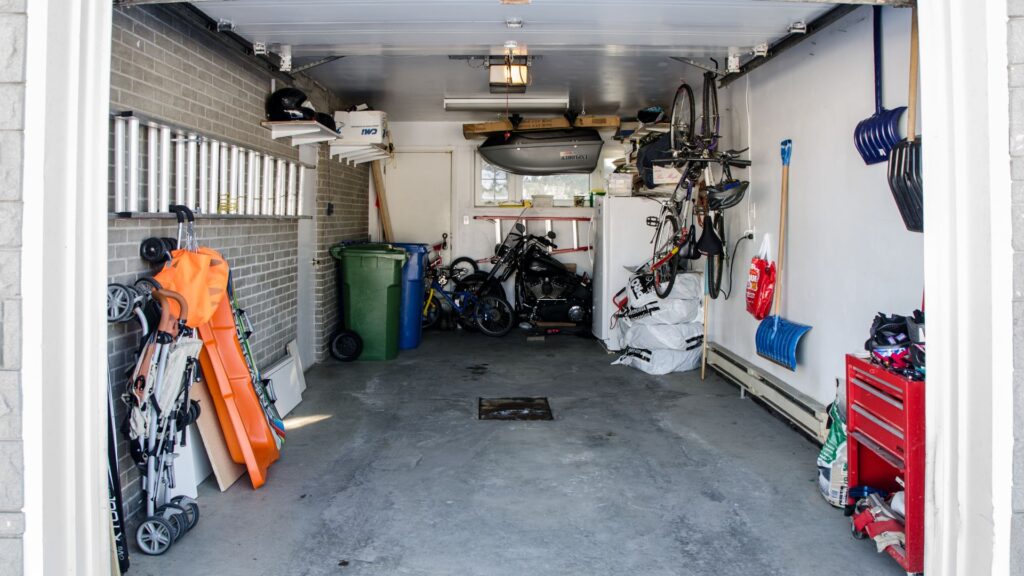
A successful cleanout is only the beginning; maintaining organization requires consistent effort. Creating daily, weekly, or monthly routines for returning items to their designated spots prevents the slow creep of clutter. Small habits, like sweeping floors regularly or checking for outdated items, reinforce a sense of control and prolong the benefits of the initial cleanout. The garage becomes less of a storage dump and more of an intentional, functional space with minimal effort over time. Homeowners can implement simple organizational tools like labeled bins, hooks, and designated zones for specific categories of items. Seasonal rotations keep the garage relevant and practical throughout the year. Periodic audits ensure items no longer needed are disposed of promptly, reinforcing the cleanout’s long-term value. Consistent attention transforms the garage into a space that supports lifestyle needs rather than hinders them, preserving both clarity and peace of mind.
Preparing for Large Item Disposal
Handling bulky or hazardous items often intimidates homeowners. Large appliances, old furniture, and chemical containers require careful planning for safe disposal. Understanding local regulations and accessible facilities is critical, as improper disposal can lead to fines or environmental hazards. Partnering with professionals equipped for heavy hauling streamlines the process and minimizes risk. Planning begins with categorization and prioritization; identify what can be donated, recycled, or discarded. Items that are still functional might serve community centers or charitable organizations, extending their usefulness. Safe handling techniques, proper lifting practices, and adherence to disposal guidelines protect both the homeowner and the environment. Preparation ensures the cleanout remains manageable, efficient, and safe, emphasizing the importance of foresight in organizing large-scale garage projects.
Time-Saving Tips for Busy Homeowners
Garages rarely get cleaned out spontaneously; scheduling the process is essential for efficiency. Breaking the cleanout into manageable sessions prevents fatigue and decision fatigue. Start with small zones, like a single shelf or corner, gradually tackling the larger areas. Using timers or task lists adds structure and keeps momentum high, especially when balancing other household responsibilities. Efficiency can be amplified with tools such as carts, dollies, and labeling systems, reducing trips and confusion. Enlisting family members or neighbors provides extra hands and accountability, making the process faster and more engaging. Combining organization, careful planning, and smart tools ensures a garage cleanout is thorough without overwhelming the homeowner, transforming a daunting chore into a structured, productive task.
Eco-Friendly Garage Cleanouts
Disposing of unwanted items responsibly is increasingly important. Recycling metals, electronics, and plastics reduces environmental impact, while donating functional goods supports the community. Separating recyclables from trash and understanding local disposal options ensures a cleanout aligns with sustainable practices. Environmental awareness turns a routine task into a meaningful contribution. Eco-friendly cleanouts require forethought. Research recycling centers, donation facilities, and hazardous waste drop-off points to prevent accidental contamination. Proper sorting and disposal methods keep the garage organized and support broader environmental goals. Integrating sustainability into the cleanout reflects conscientious ownership and ensures that the space is not only orderly but also responsibly maintained for the future.
Seasonal Garage Refresh Strategies
Garages often serve different purposes across seasons. Winter may require snow equipment and storage, while summer demands space for gardening tools or recreational gear. A seasonal refresh encourages rotation, decluttering, and reassessment of stored items. Regular seasonal audits prevent accumulation of outdated or unnecessary belongings, maintaining functional space year-round. By aligning storage strategies with seasonal needs, homeowners can keep their garage adaptable. Items used infrequently should be stored high or in remote areas, while season-specific tools remain accessible. Seasonal cleaning also provides an opportunity to check structural elements, lighting, and shelving, ensuring safety and longevity.
Maximizing Resale Value Through Organized Garages
A well-maintained garage adds tangible value to a property. Potential buyers often assess storage capacity, cleanliness, and usability when touring a home. Decluttering and organizing the garage showcases attention to detail and maximizes perceived space, creating a positive impression that extends beyond the garage itself. Investing in shelving, storage systems, and professional removal services ensures the garage is presentable and functional. Clean, orderly garages suggest overall home care and reliability, making the property more appealing in competitive markets. Thoughtful organization is not only practical but also an investment in property value, demonstrating that a clear garage benefits both lifestyle and long-term financial outcomes.
Smart Budgeting for Garage Cleanouts
Managing a garage cleanout efficiently includes budgeting time and money. While DIY cleanouts save on service fees, certain items—like large furniture, hazardous materials, or electronics—may necessitate professional disposal. Allocating a budget ensures these services are accessible without creating financial strain, while still achieving a thorough cleanout. Budgeting also applies to storage solutions. Affordable shelving, bins, and hooks provide organization without excessive expense. Planning purchases carefully prevents overbuying and ensures only necessary items are invested in. A structured approach to budgeting transforms the cleanout from an unpredictable expense into a manageable, strategic project, balancing cost with effectiveness and long-term garage functionality.
Conclusion
Garage cleanouts require strategy, patience, and the willingness to confront clutter head-on. From sorting and storage to removal, maintenance, and eco-conscious disposal, each step transforms a chaotic space into a functional, organized environment. With careful planning, homeowners can reclaim their garages for daily use, seasonal needs, or enhanced property value, turning a once-overlooked area into a well-maintained extension of their home. For professional assistance in managing bulky or challenging items, homeowners can rely on Dirty Deeds Junk Removal Los Angeles, conveniently located in Los Angeles. Their experienced team provides efficient, safe, and responsible removal services, ensuring garages are cleared quickly and effectively. Contact them at +12136012778 to simplify your garage cleanout process and achieve a space that is organized, practical, and ready for use.